177 posts

Day 17: Rest Day 2

2014 FRC Build SeasonFIRST Robotics

Today, there was no official meeting at the lab. However, several team members continued to work on robot design.

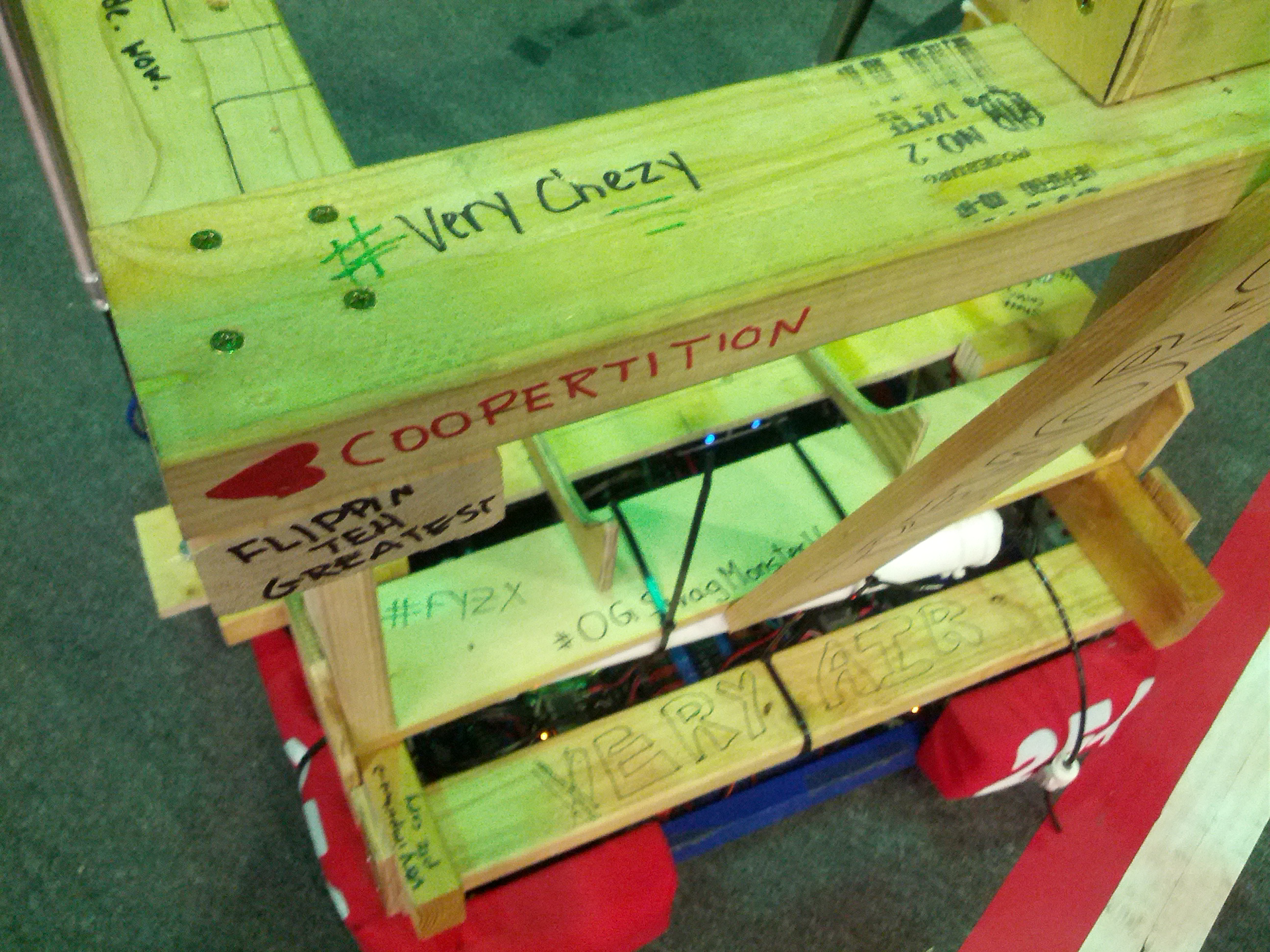
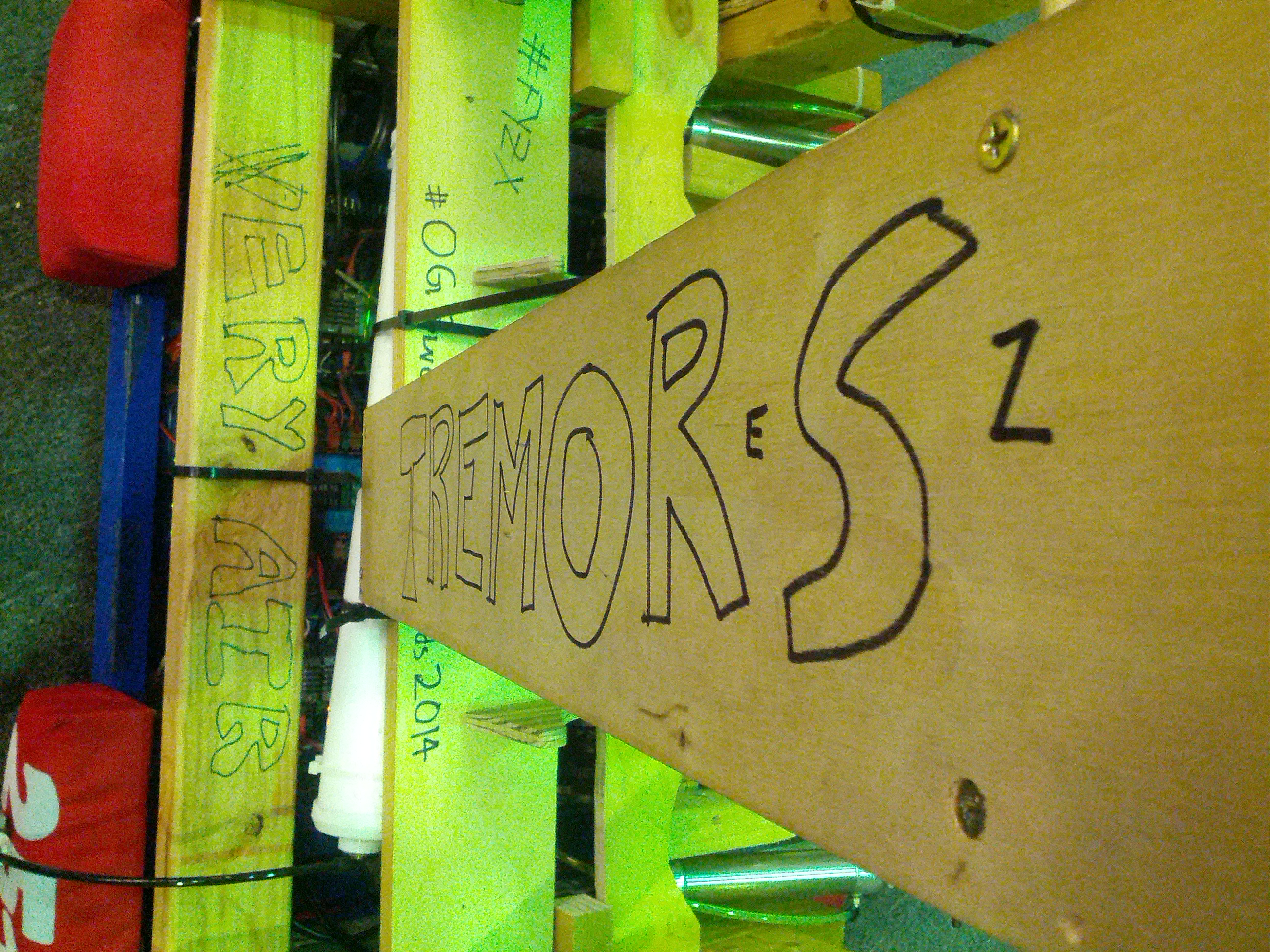
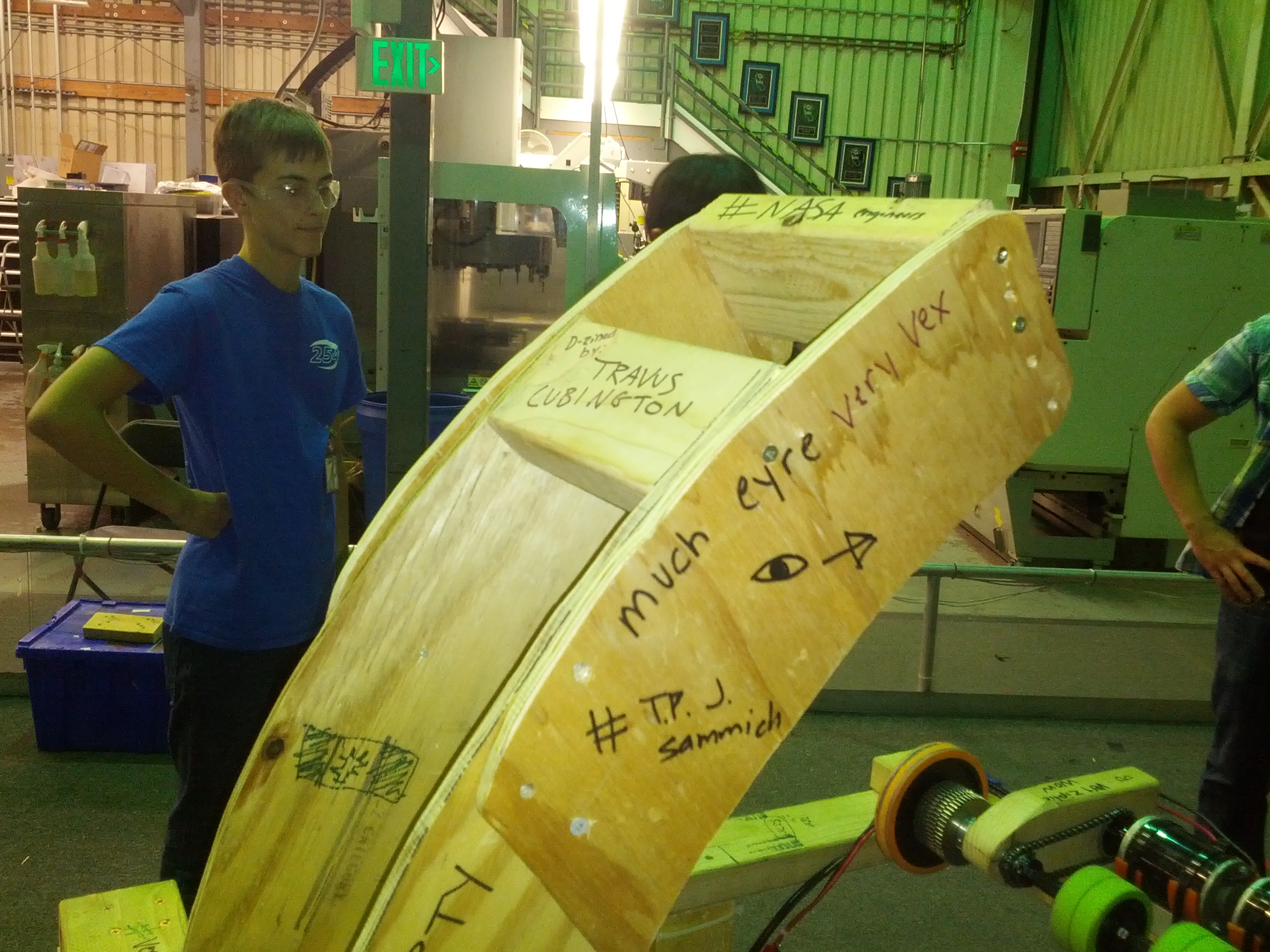
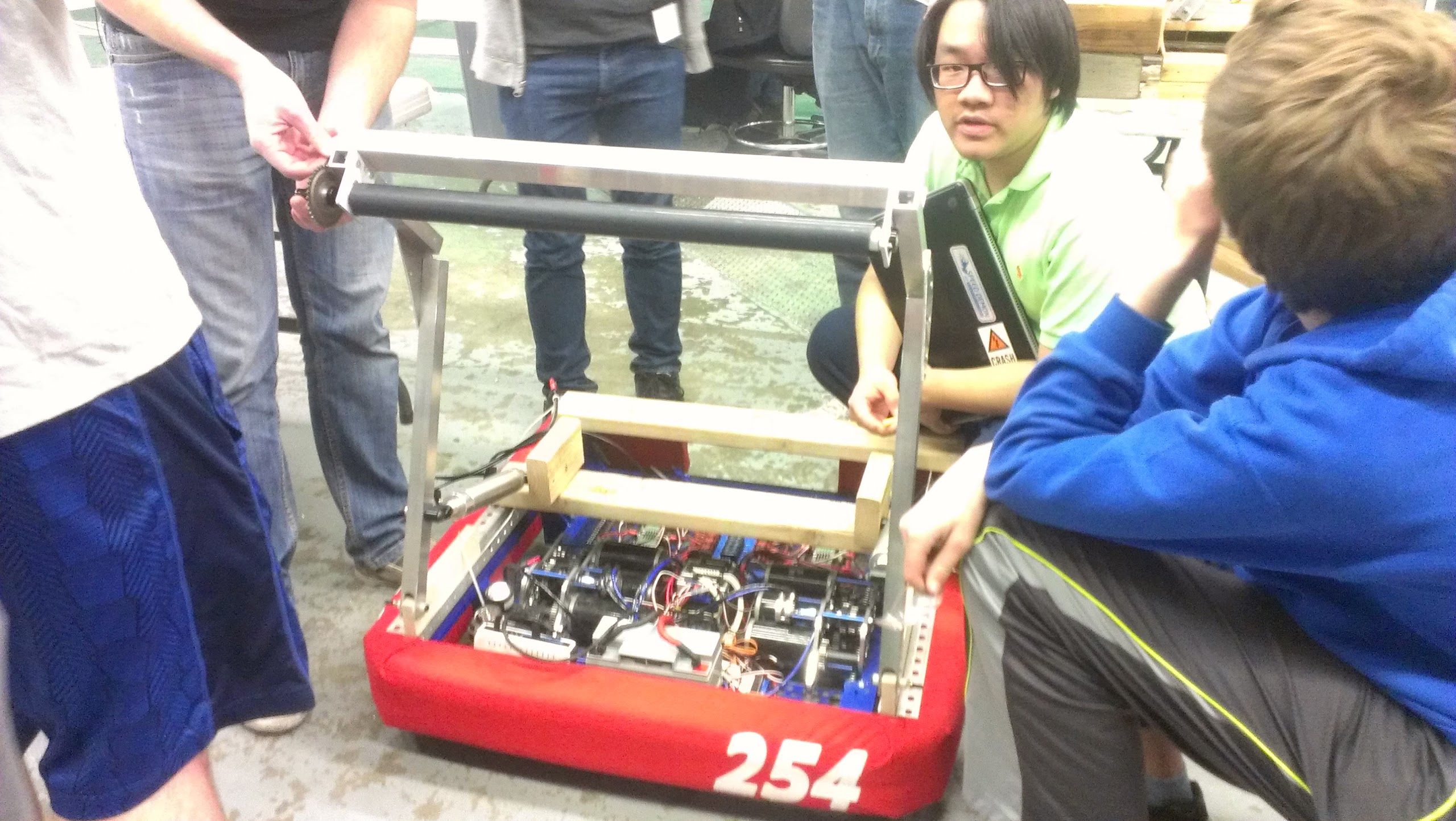
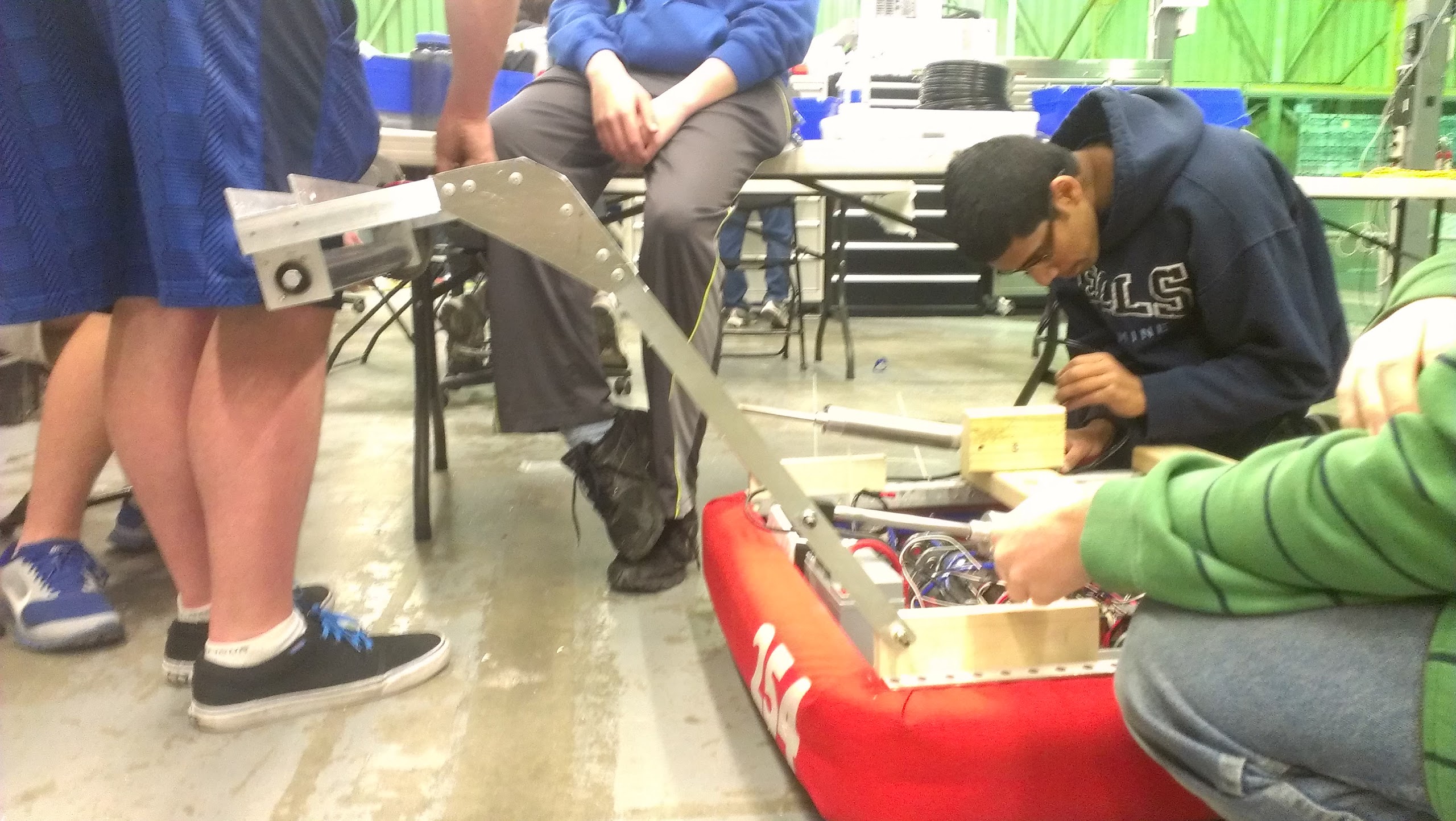
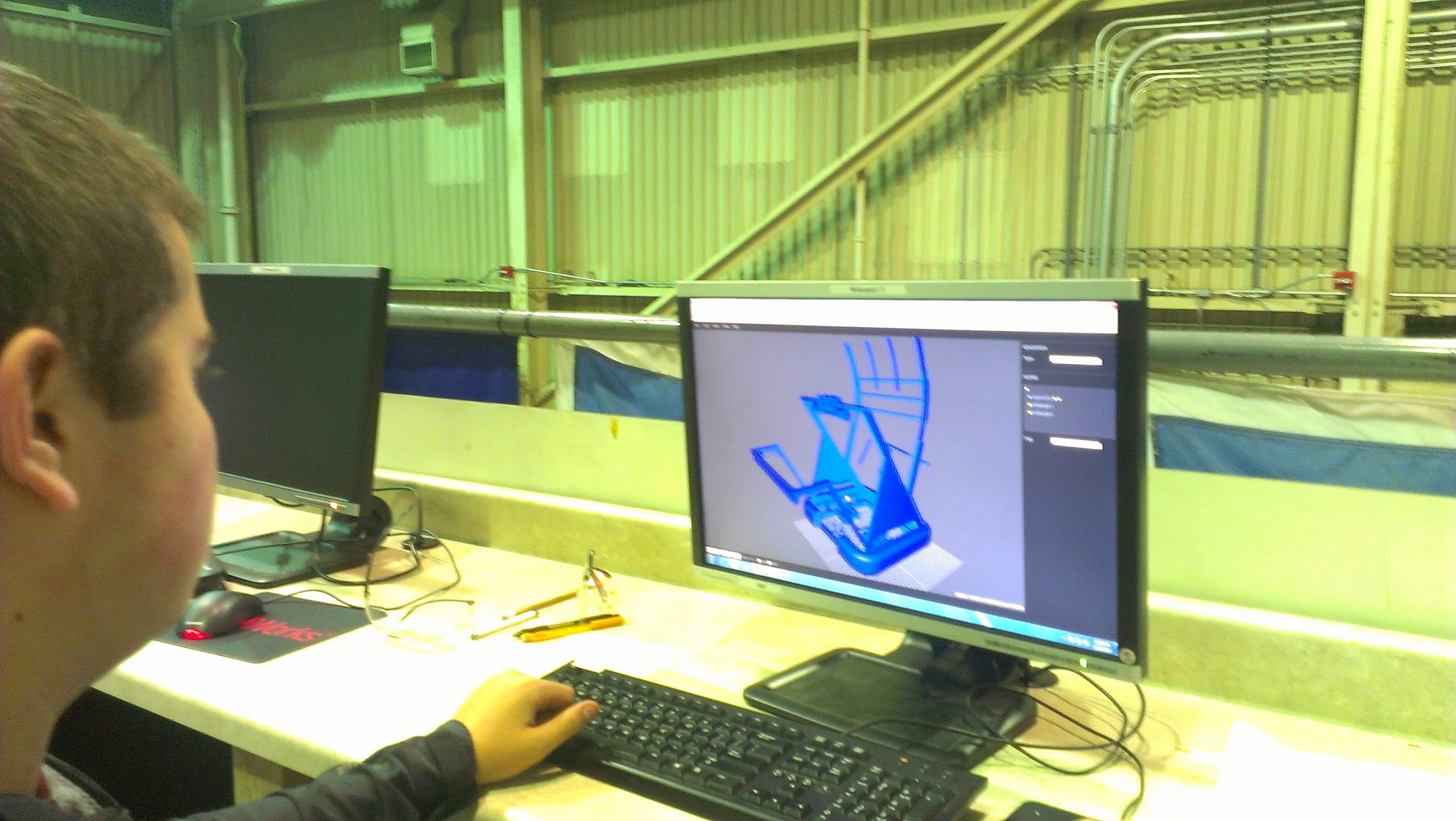
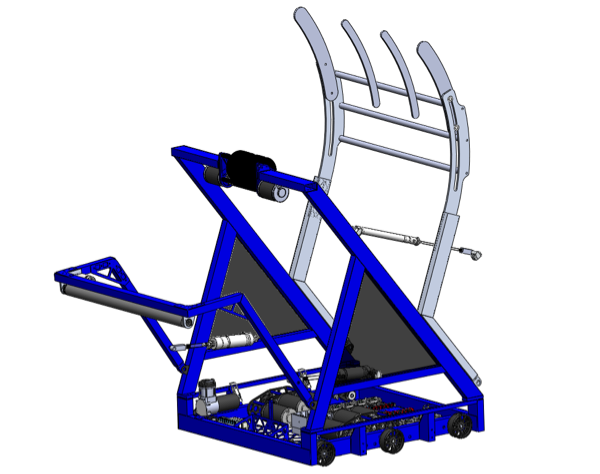
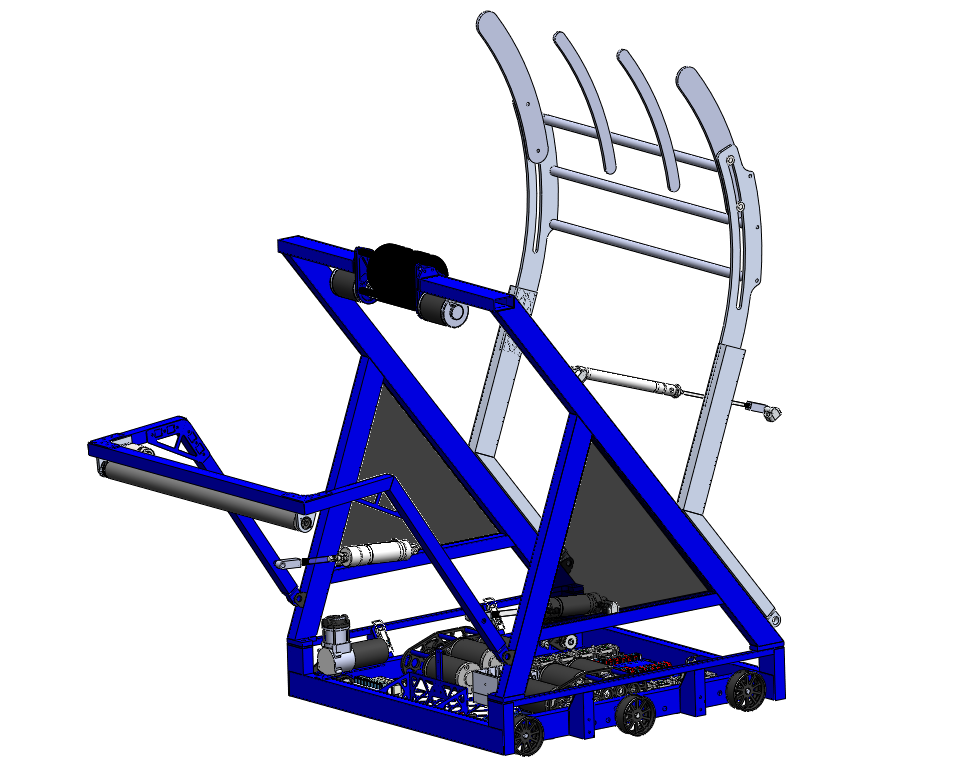
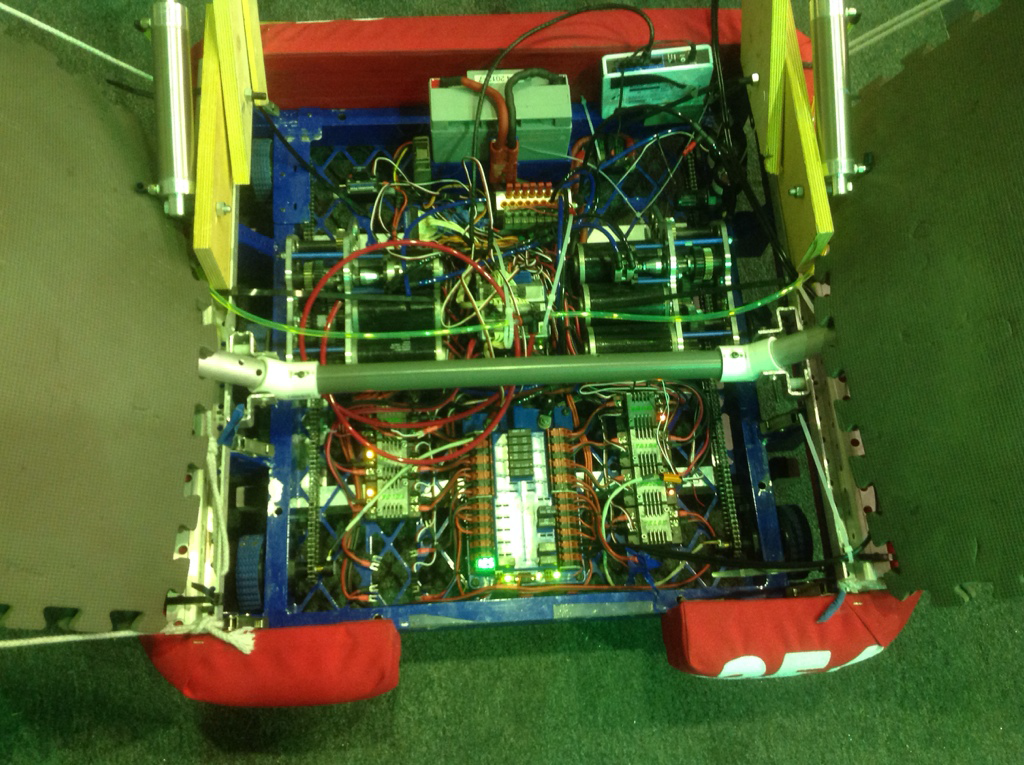
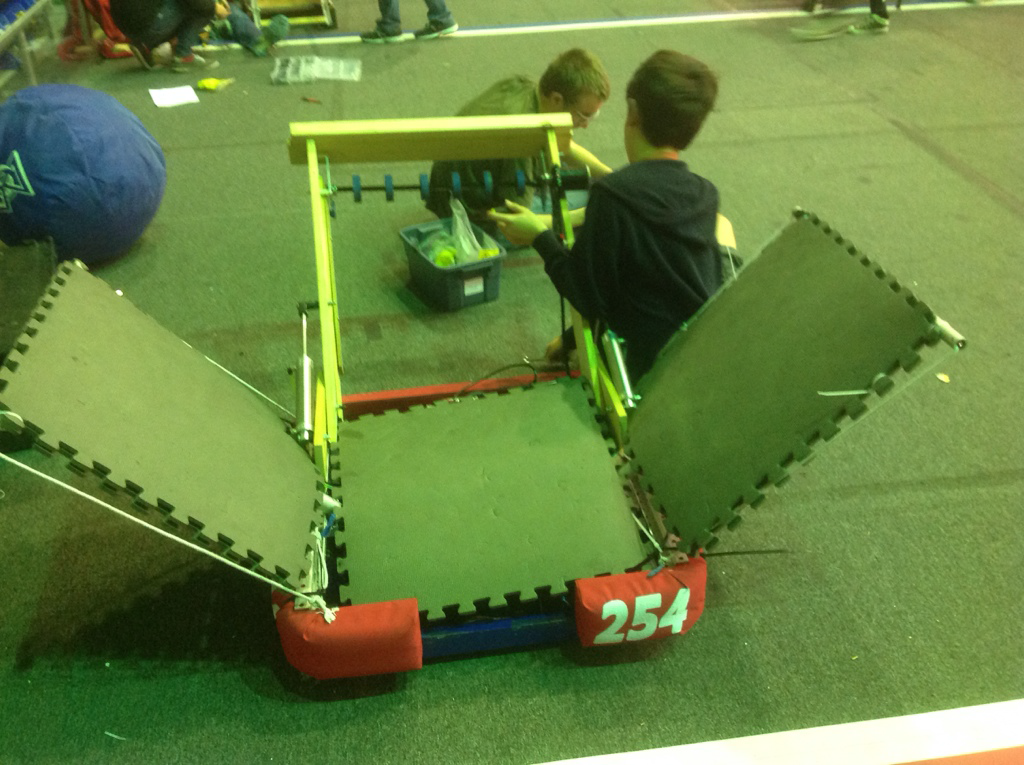
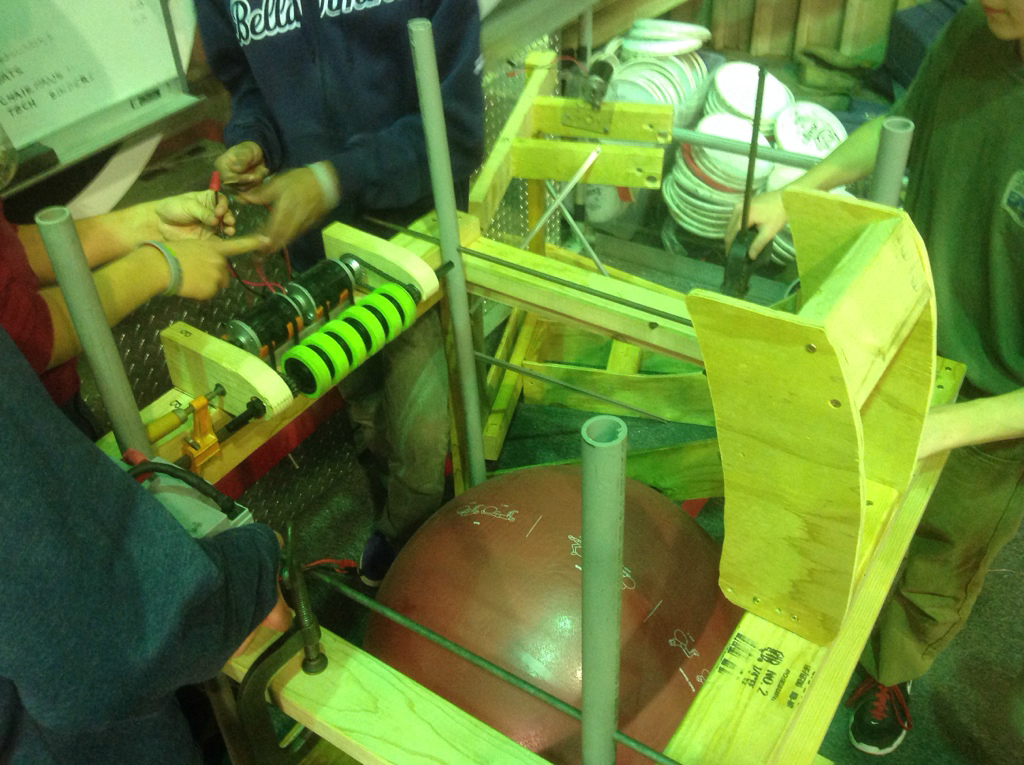
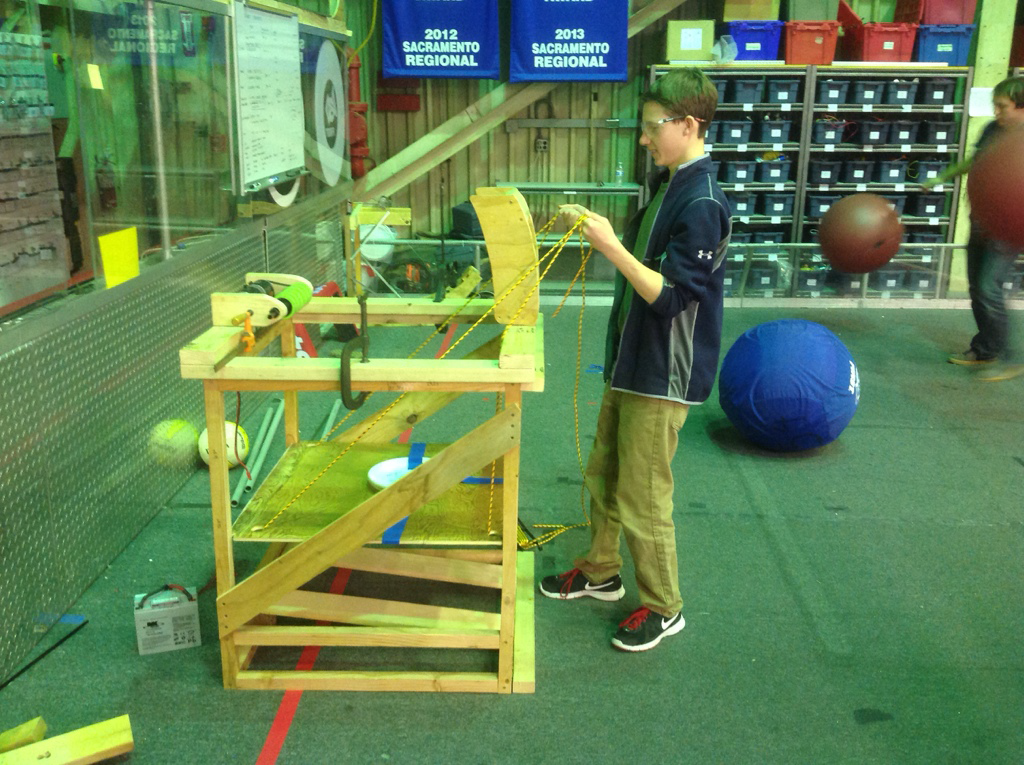
Instead of a normal blog post, have some pictures of the latest prototype (sponsored by Tem 254: Teh Chezy Pofs). As you can see, the students decorated the robot.

so robit.wow.

Day 16: Programming, and Prototypes

2014 FRC Build SeasonFIRST Robotics

Programming

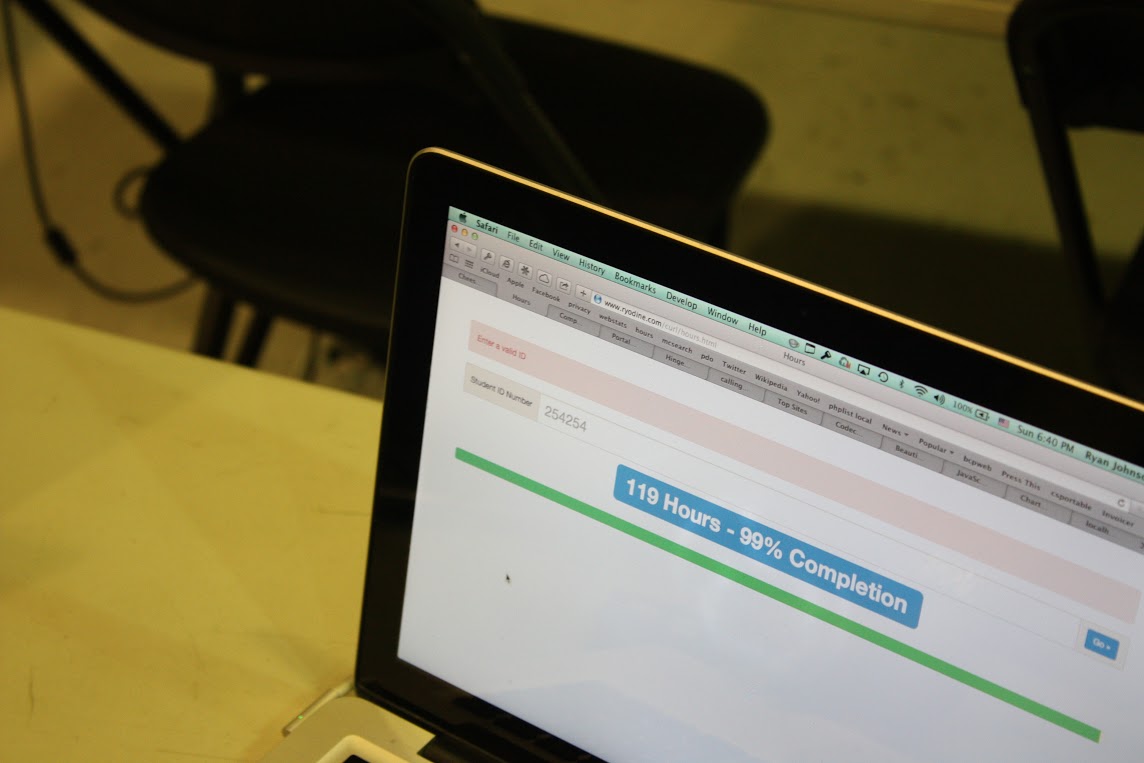
Today, the programmers worked on two major projects and a smaller one. The two larger projects were a data logger for the robot and an app for members to check their FRC Hours. The smaller project was to get Adobe products which had been generously donated to the team onto a few of the lab computers.

The Data Logger will return data from all the parts of the robot and plot them on a graph.This will help the programmers to detect what is going on in different parts of the robot and at what time it happened. They plan to fix the single plot graph and make the logger capable of tracking different sub-systems.

The FRC Hours mobile app makes viewing member hours more accessible. This should make it easier for members to track how many hours they have completed and how many more they need to do. The programmers plan on adding more functions onto it later, including even a signup system for the builds.

The final thing that the programmers worked on was putting Adobe InDesign, Photoshop, and Illustrator onto the lab computers. This took a lot of time as there was one CD of each to go around, and ultimately, they could not finish installing each by the end of build.

New system to track student hours.

Pit Shelving Box and Robot Shipping Crate

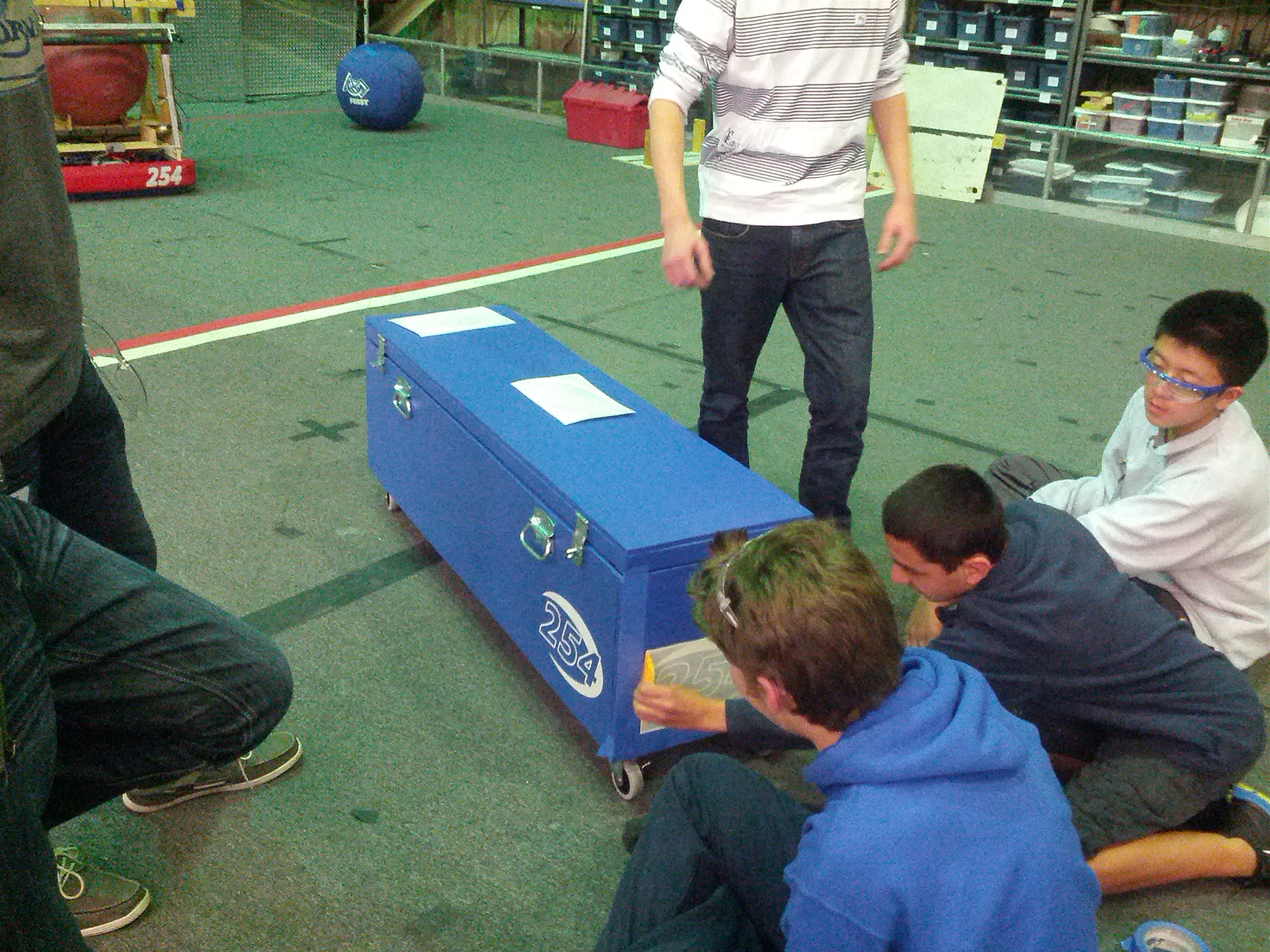
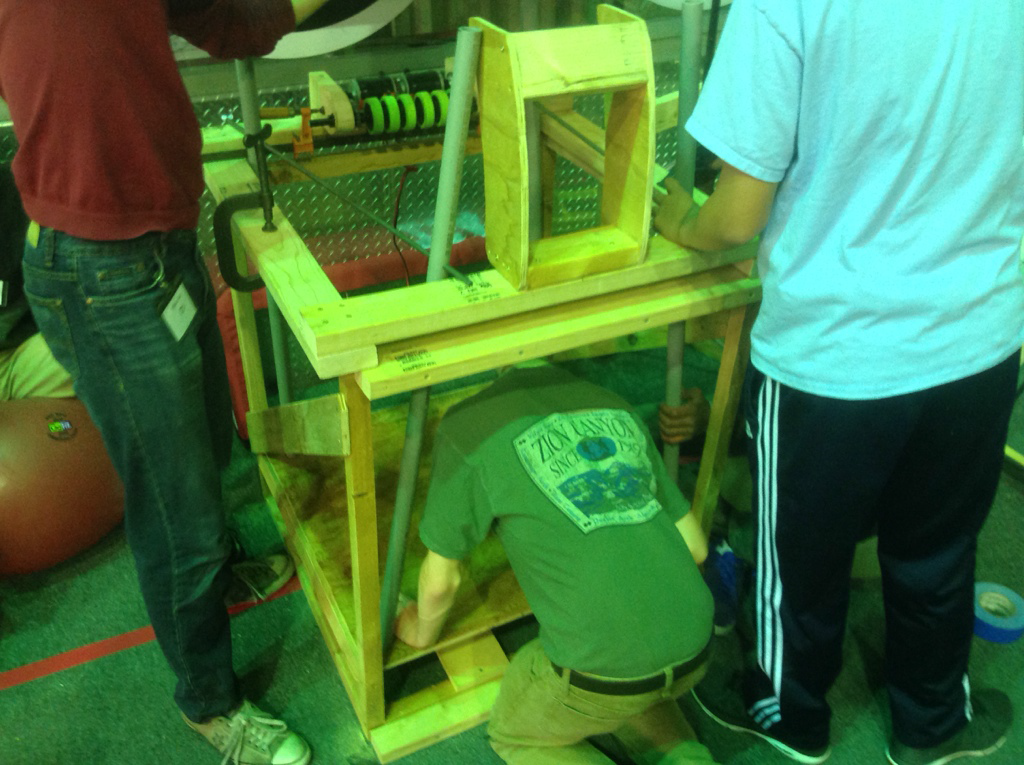
Today, we also upgraded the pit shelving box. The base was re-painted in two coats, a flat coat and then a secondary semi-gloss coat, all in blue. The cover of the box was also redone, using less pieces so that it looked cleaner. Two handles and four wheels were added to enhance box mobility. The hinges were also supplemented with gas springs to hold the lid open during loading and unloading.

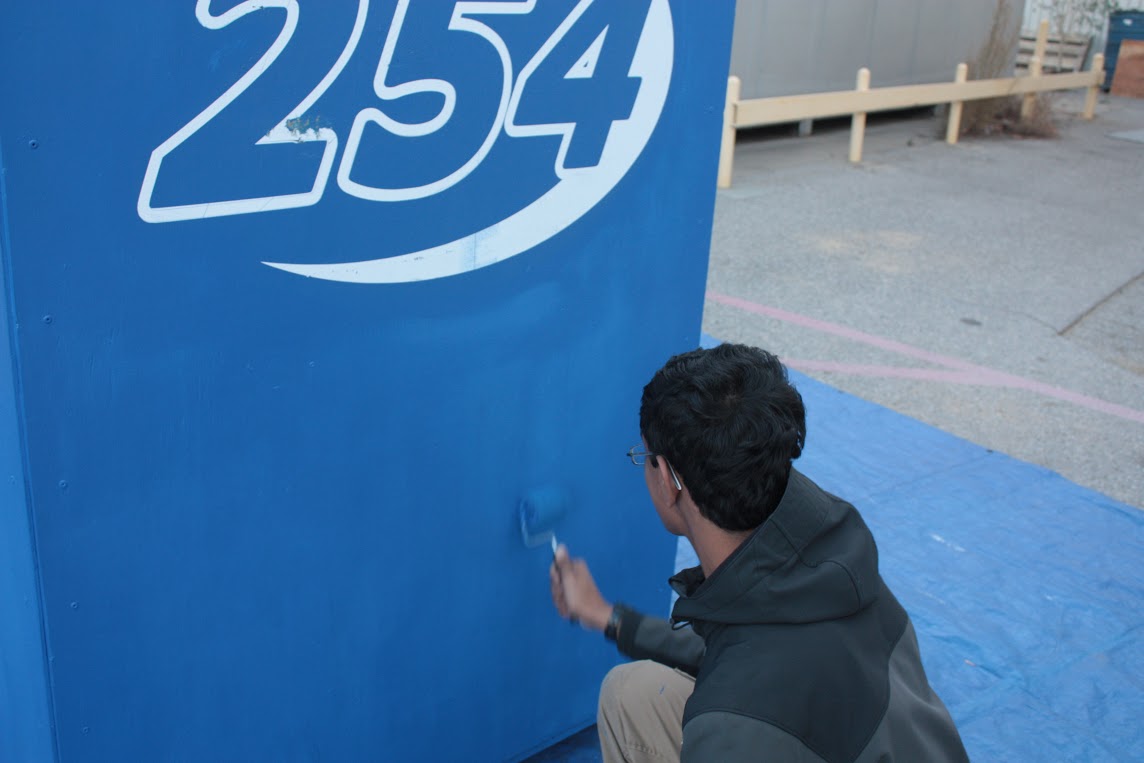
Members also touched up the paint on the shipping crate, last painted in 2011. The two new boxes look great and we’re excited to bring them to competition!

Applying decals to the pit shelving box.Repainting the robot shipping crate.

Prototype Catcher

Students built an improved catcher that more closely resembles the CAD (one that can actually fit on the robot). They attached pistons to the catcher so it could open and close. They also brainstormed the structure of the side of the catcher. They were unable to finish the rest of it due to a lack of material, which will all arrive by the next build. They will then attach the material to the side and the back of the catcher so that the ball will not fall out of the catcher upon being caught. Additionally, they added some blue paint to the structure of the robot prototype.

Manufacturing: Bumper Supports

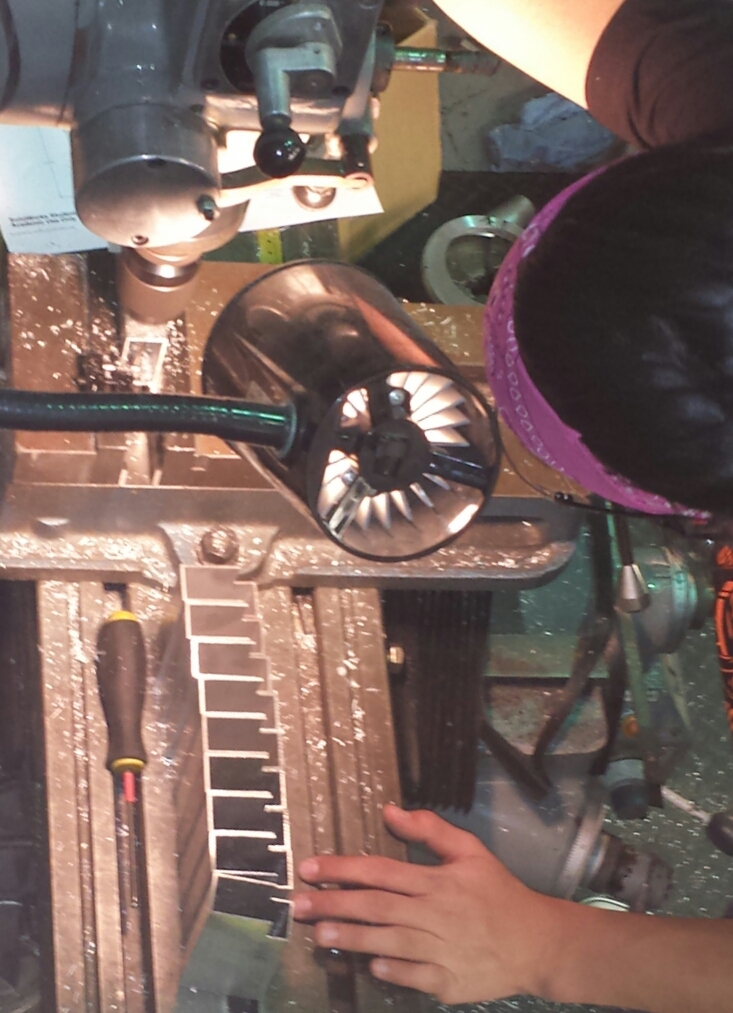
Students also used the mill to make the metal bumper support brackets, which are needed to attach the bumper to the robot drive base. They were able to finish this and will soon be riveted together and sent out to be welded.

Action Items

  • Sign up with Kevin Vincent, Greg Magarelli, and Peter Feghali if you are interested in helping or have the skills to contribute to the media team (in short, if you want to be a part of any or all of the following: photoshop, graphic design, photography, video design and editing, 3-D animation, website operation, social media updates, publicity releases, and CAD rendering)
  • Help Stephen and Brandon install Adobe software on the lab computers
  • Brainstorm additional functions for the 254 Hours Mobile App for Brandon and Stephen
  • Brainstorm ideas with Ian Kirkland for media posts
  • Machine the front brace, back brace, and top plate for the cordless drill holder.

Day 15: CAD, Machining, Prototype Robot, Programming, S'MORES!

2014 FRC Build SeasonFIRST Robotics

by Clay Rosenthal

Important Reminder

Wear safety glasses on bottom floor of lab at all times! Even if you are not machining or there are few people in the lab this is a requirement.

CAD

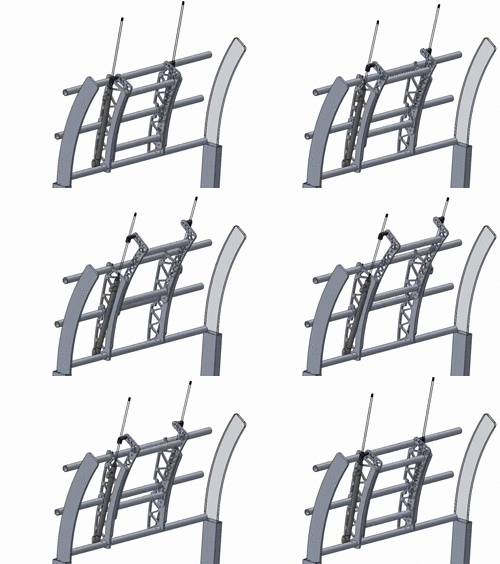
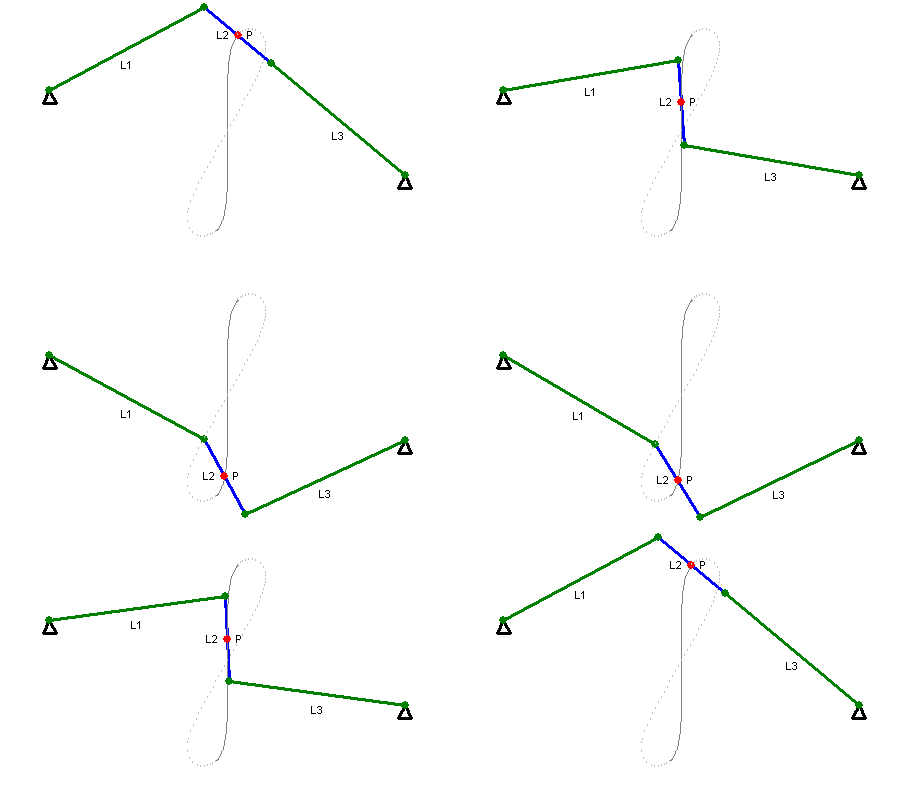
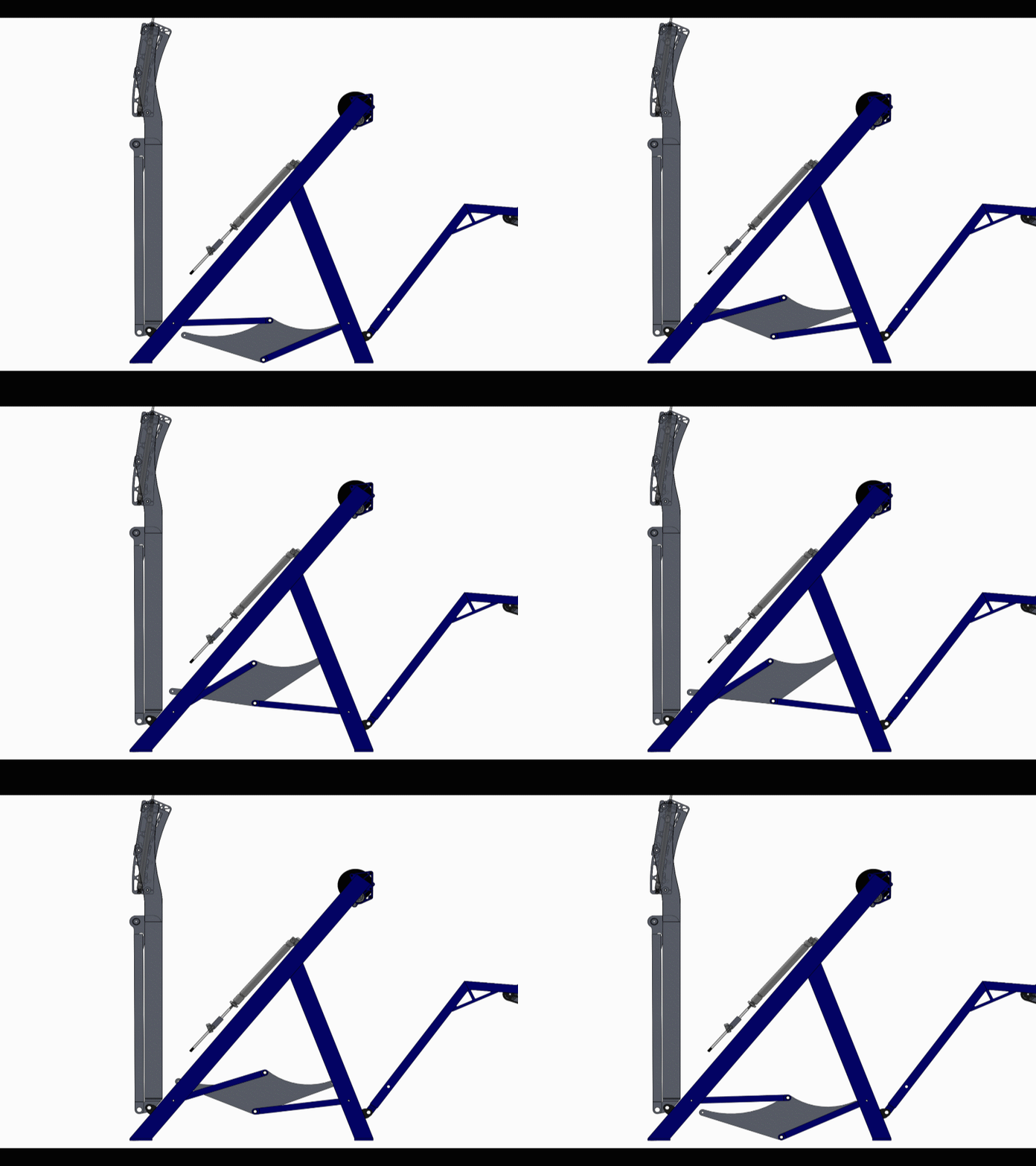
Today, work continued on the design of the inner plates of the hood. We also investigated the use of a Watt's linkage for lifting the ball into the shooter. The Watt's linkage has a large (approximately) linear region in the center of its travel that we could use to lift the ball straight into the shooter. A separate lifter idea used a 4 bar linkage to lift the robot. Work on both of these projects will continue tomorrow.

Hood Actuation. Antennae will not be part of actual robot.Watt's linkage. Source: //en.wikipedia.org/wiki/Watt's_linkageWatt's Linkage Ball Lifter Concept4 Bar Ball Lifter Linkage

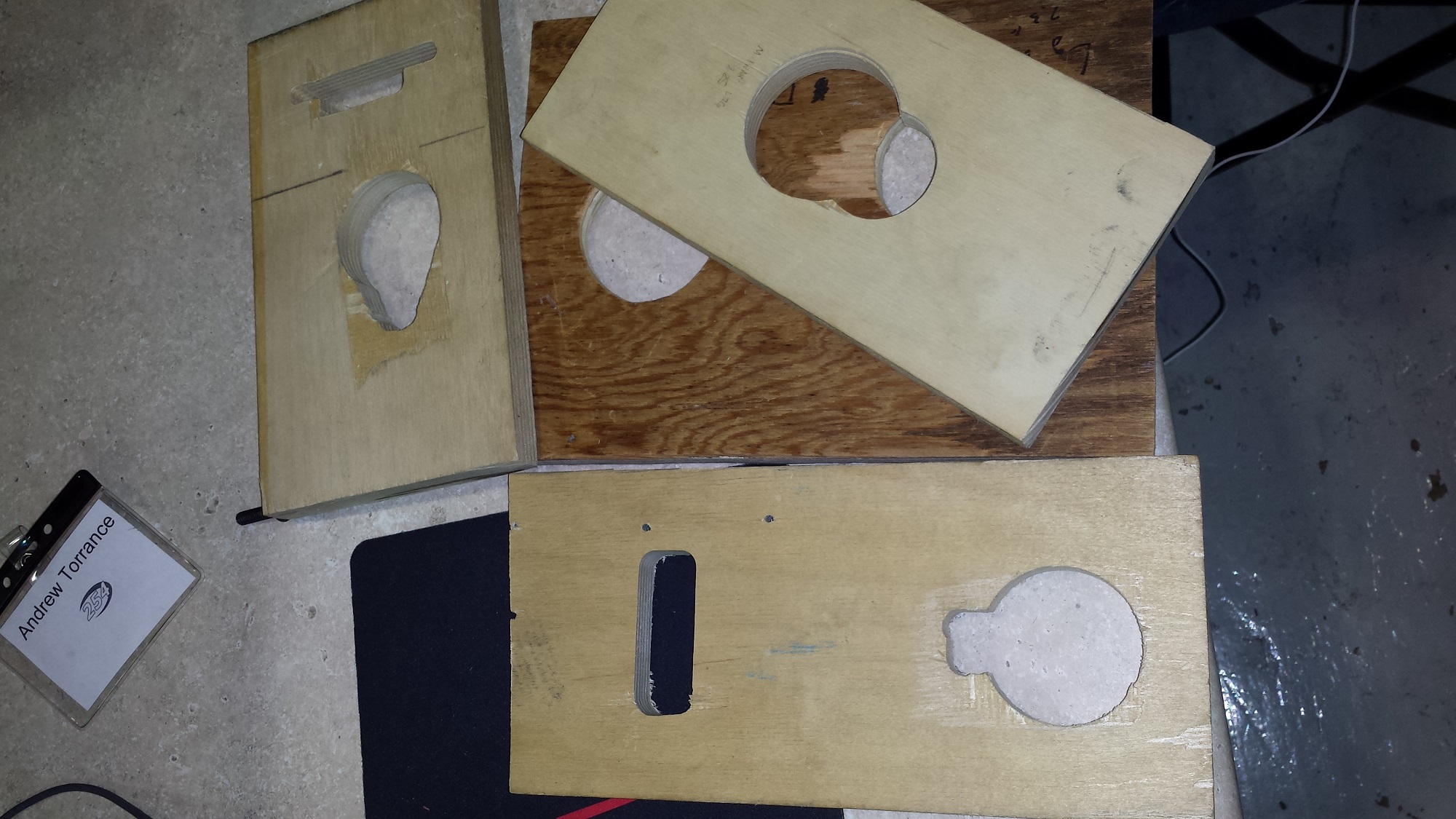
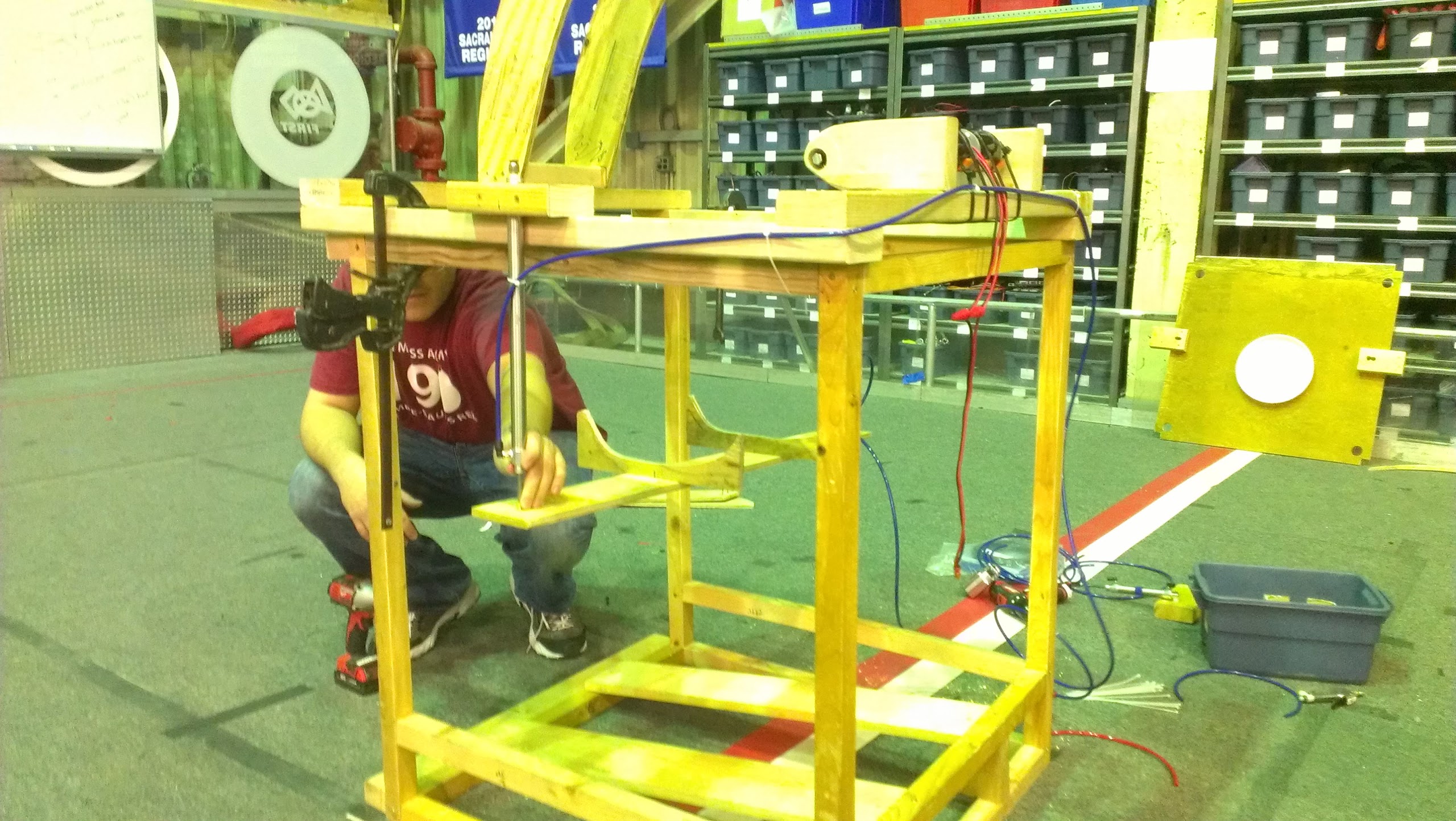
On the drill holder, holes for the large Milwaukee and DeWalt drills were prototyped today and the CAD was approved. This will soon be sent to Good Plastics for routing.

Buttons were added to the CAD of the control board to our operator's specifications.

Drill holder Prototypes, used to find the perfect fit for the drill chucks.

Machining

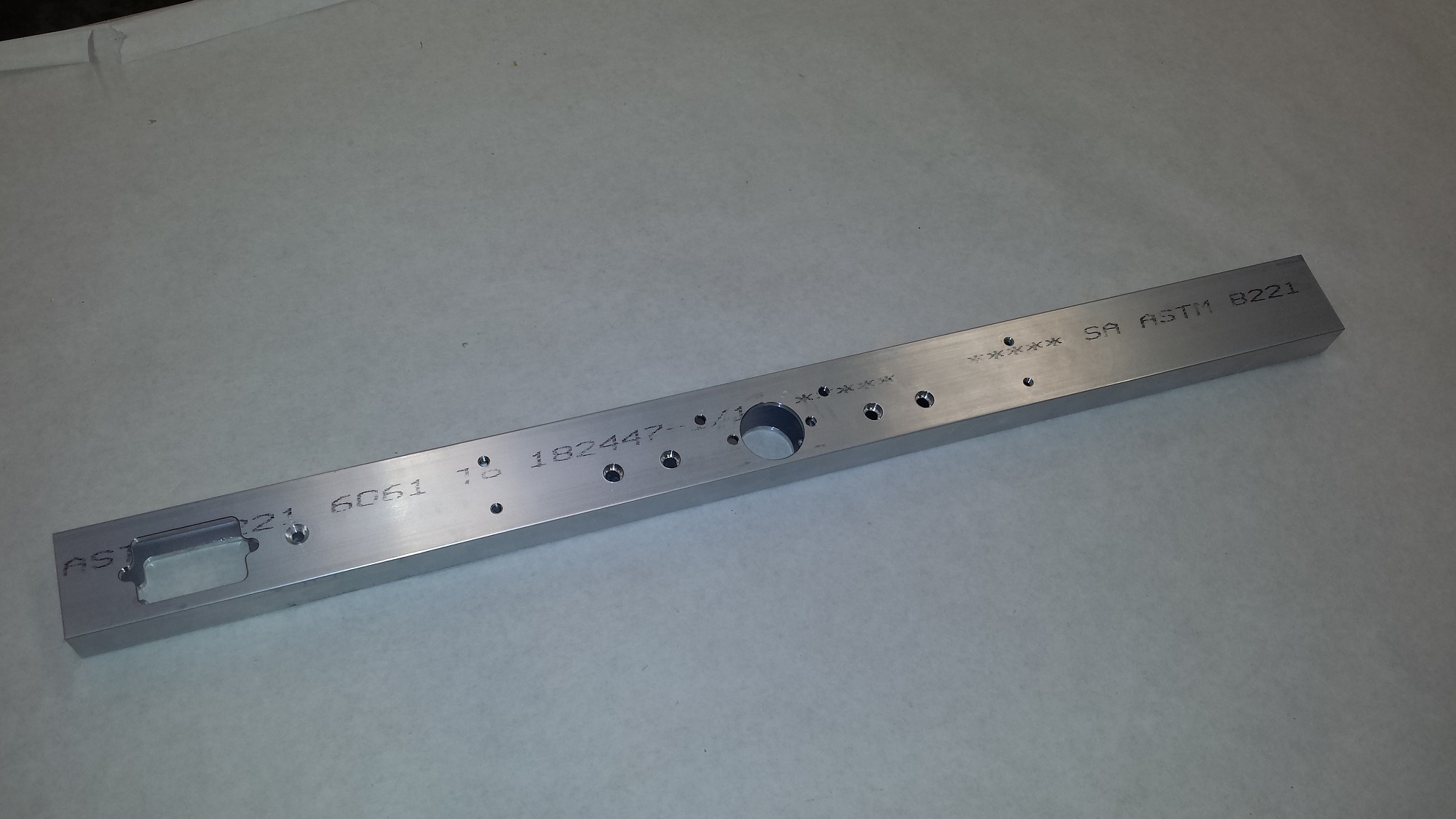
More pieces for the drivebase chassis were cut today including 4 frame side rails. Also, middle bumper supports were machined with the mill. These will eventually be riveted together with the rest of the chassis and sent out to welded and powder-coated.

This frame siderail was cut on the CNC. The slot on the left is for a bearing block and the large hole in the middle is for the center wheel drive shaft.Overhead shot of machining middle bumper supports on the manual mill.

Robot Prototype

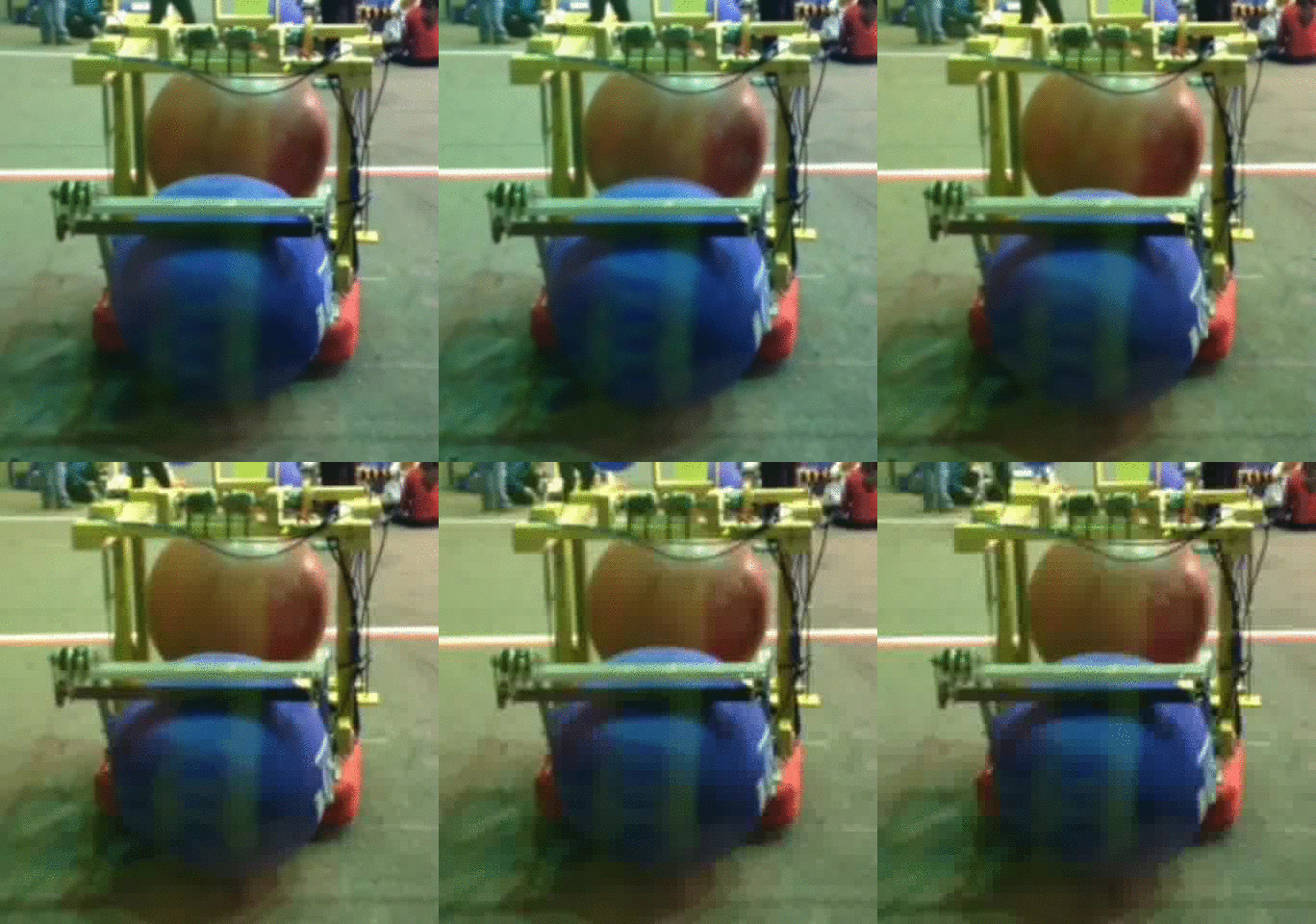
The prototype was tested today. The robot was able to intake, "pop" the ball, and shoot it with driver control in the afternoon. The robot has balance issues that can cause it to tip and fall on occasion, as shown in yesterday's post. In the evening adjustments were made and there arose complications involving the pistons for the popper not rising at the same time. This was fixed but will need to be perfected. The hood was extended to change the firing angle and the fly wheel had an extra wheel added. A button was added to the intake to help with autonomous. Also a more solid back plate was added to help keep the ball in. All of these modifications are making the shots faster and improving consistency and accuracy.

Programming

Today, the programmers first worked on designing an auto-intaking control loop to hold a ball in the intake off the ground while another ball is in the robot. This will allow the robot to transport multiple balls in autonomous. The control loop started very rough, simply running the intake whenever the ball lost contact with a bumper switch. Later, we added an encoder to the roller and designed a control loop to smooth the intake.

Ball oscillating in the intake, allowing us to hold 1 inside the robot and another slightly off of the ground without interfering with the ability to shoot the first one.

The second thing that we focused on today was the data grapher webpage. We decided what the layout of the JSON file that we send would be. We eventually decided to go with one big file that would contain many separate JSON objects for each graph.

Finally, the programmers worked to implement a simple two-ball autonomous routine. While it takes far longer than ten seconds to run, it is a good proof of concept.

Please enable Javascript to watch this video

S'mores

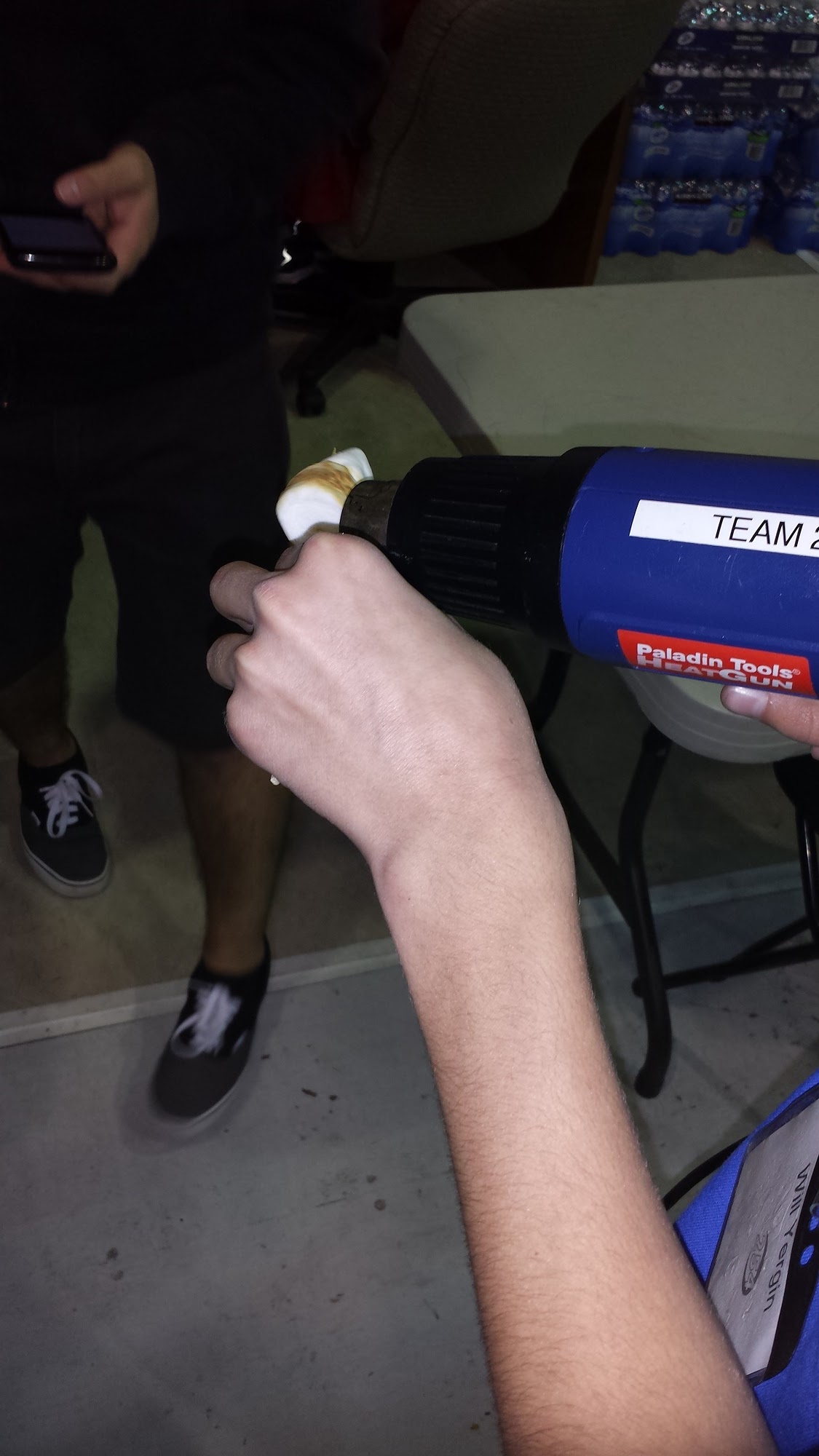
Late at night, we made s'mores using a heat gun. It worked really well and the s'mores tasted great! We should do this more often.

Making s'mores using a heat gun!

Action Items

  • Check the Trello!
  • Finish refurbishing of the pit shelving crate (repaint, attach hinges/latches, add wheels)
  • Programmers: test flywheel controller and intake state machine.
  • Begin CAD of the Battery Cart.
  • Continue improving robot prototype, make more consistent.

Day 14: Working Robot Prototype, CAD, Chairman's Award Begun

2014 FRC Build SeasonFIRST Robotics

by Christian Bagamaspad and Michael Simeon

Robot Prototype

The robot prototype changed considerably today. First, the shooter prototype was mounted to the 2013 drive base. The robot can now drive, intake, load the ball, and shoot in one test. Results were very promising and tests showed the robot can pick up and hold two balls, sequentially index and shoot them into the goal. Later, shots will need to be fired more consistently, and the "popper" piston mechanism will need to be more robust to provide better shots and prevent the ball from getting jammed. This mock up prototype of the robot could possibly be used by programmers for early autonomous testing. This is one of the first times in recent years that team has built such a large compilation of other prototypes. Due to the simplicity of its design compared to previous years, this prototype will actually be somewhat similar in functionality to that of the final robot.
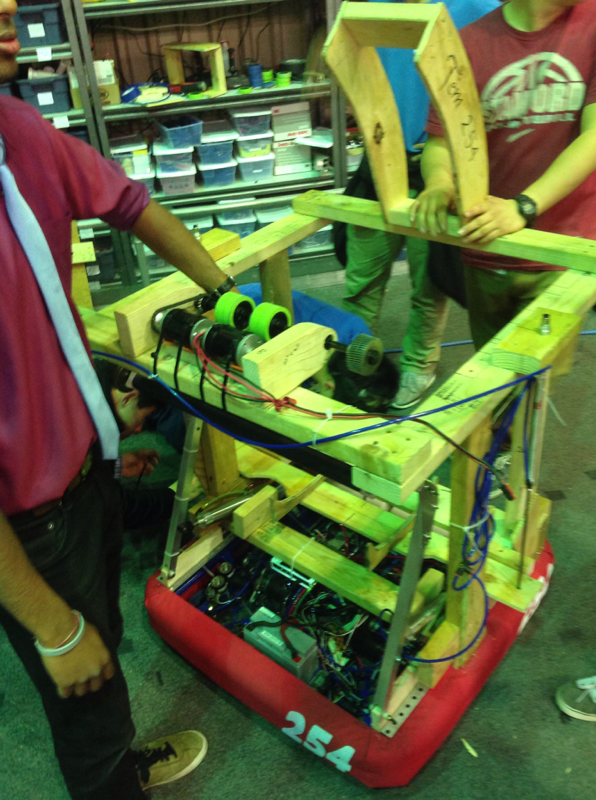
The robot prototype, with both intake,

Please enable Javascript to watch this video

Please enable Javascript to watch this video

CAD

Today, the CAD team worked on the ball lifter assembly and piston positioning for the 2 position hood. We also went through the drive gearbox CAD to ensure everything is in ship shape before manufacturing begins.

The team also worked to finish up the 3D model of the cordless drill holder, finalizing the hole placement and overall ascetics. Once approved, the CAD model can be sent to Good Plastics to have it routed.

Additionally, others started work on the control board CAD, starting with the process of designing the control board plates itself. They also found and selected all the screws for the control board. Next, the control board's button layouts will need to be designed and modeled.
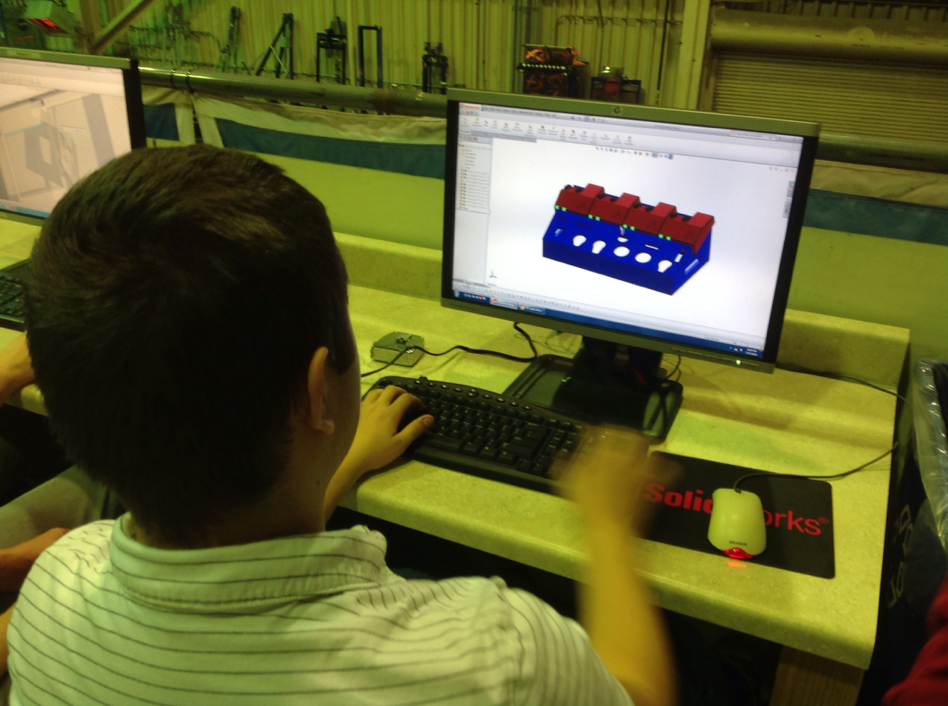
Working on the nearly complete drill holder CAD

Award Submissions

The drafting of the Chairman's Award Essay thesis began today. Team members brainstormed and wrote tentative theses in preparation for outlining over the weekend. Additionally, they also reviewed previous submissions for the Chairman's Award and discussed the implicit intent of the thesis. They decided that the underlying message of the essay should emphasize the development of the team since its 2004 Chairman's Award victory and how the team has continued to set a new direction since then. The team also plans to portray how it has further emphasized outreach and how inspired others in our local community and abroad.

Manufacturing

Today was a slow day on the manufacturing front. The primary task of the day was shortening the drive gearbox piston spider standoffs.

Pit shelving

Today, students worked on organizing the pit storage shelves. Prior to today's work, the shelf storage had been bound by tape, but now, the tape has been replaced with Velcro straps and certain beams were marked to point to the holes used in assembly. This will help save time during pit set up and tear down and prevent us from having to keep reusing expensive tape to simply bundle the segments together.
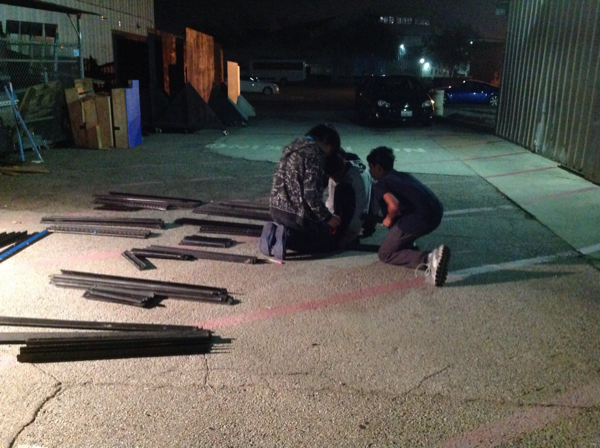
Students organizing, labeling, and bundling pit shelf segments

Action Items

  • Check the Trello!
  • Test and improve intake and shooting mechanisms on the robot prototype
  • Finalize and approve the model of the cordless drill holder to be sent to Good Plastics
  • Look through the website and all its pages and condense into a Google Doc a list of everything outdated, inaccurate, or otherwise unfit for the website.
  • Organize outside storage area to make obtaining materials faster, simpler, and safer.

Day 13: Intake Construction, Flywheel Prototype, CAD

2014 FRC Build SeasonFIRST Robotics

by Jeffrey Kaufmann

Flywheel Prototype

Today, work continued on the automated ball loading mechanism for the flywheel prototype. This "popper" will use two pneumatic pistons to quickly and precisely load balls into the shooter for more consistent and realistic testing. Tomorrow, the entire shooter will be mounted on top of the robot drive base along with the intake and to test the integration of the three systems.

Checking the functionality of the prototype

Intake Construction

Other team members worked on creating a new prototype intake. This intake was created to the dimensions currently in place in the robot CAD model. It will be able to flip down with two pistons. The intake will utilize one mini CIM motor to drive the roller. When the intake is down, it can suck a ball and pull it up against the bumper. When the intake comes up while holding a ball, it pulls the ball into the robot. This will later be integrated with the shooter and "popper."

Later in the night, the intake was finished and tested with the robot driving around. While this test did not utilize pneumatics, it did show that the intake successfully could pick up balls both while stationary and moving.

Intake shown on Overkill drive base in raised postionIntake in dropped position

CAD

We also worked to create 3D render of the robot that can be used for the touch screens in the pit. Specifically, we worked to convert the current CAD model of the robot into a website that can be manipulated on a touch screen. This will be a fun, interactive way for visitors and judges to explore the CAD model of our robot.

In addition, we continued work on the Cordless Drill Holder. Some students were finishing up the CAD upstairs and figuring out the final dimensions so the organization unit can fit in one of our travel crates. Others were using the drill press and mill to make precise prototype holes in wood for the drill chucks to fit in. These test pieces were then used to get accurate dimensions in the CAD that will be later sent to Good Plastics to be professionally routed in blue HDPE plastic.

Working on the online 3-D model

Action Items

  • See the Trello boards!
  • Continue work on Intake construction
  • Keep testing 3-D render
  • Finish Flywheel Shooter Prototype and integrate with Intake prototype and Overkill drive base
  • Finish CAD of Cordless Drill holder

Day 12: Design Review and Further Prototyping

2014 FRC Build SeasonFIRST Robotics

by Dan Ngo '17

Design Review

The highlight of the day was the design review, during which the team congregated to discuss and possibly finalize the strategy and conceptual robot design thus far. The team decided that its overall strategy would be aimed at being able to first self score all three balls in autonomous. This removes any risk of relying on teammates during this valuable portion of the match. Subsequently, in teleoperated mode, general scoring would be prioritized. Assisting, while useful for qualification points, will likely only become significant in elimination matches.

Regardless of strategy, we agreed that the robot should be able to perform all the tasks in the game (shooting, passing, catching, etc.). We determined that a flywheel shooter aligns with these goals and packages nicely in the robot's envelope. Additionally, to be able to score all three balls in autonomous, the team would first need a mechanism to hold and feed them into the shooter. This is currently being prototyped.

Robot Conceptual CAD Model

Programming

Team members continued work on integration of the ultrasonic sensor. We also worked on making programs to remotely access feedback from the robot, to ease autonomous testing. We also installed new, smaller, joysticks on the control board. These joysticks use hall effect sensors instead of potentiometers for more reliable and precise control.

Manufacturing

Today, groups worked on machining parts for the gearbox, the ongoing arm prototype, and started the feeding mechanism prototype.

Turning gearbox standoffs.

Action Items

  • Continue intake prototype
  • More testing and coding
  • Work on the feeding mechanism prototype

Day 11: Prototyping, Design, CAD, and Testing

2014 FRC Build SeasonFIRST Robotics

by Trevor Salom '17

Programming

Today, the programmers worked on testing a VEX ultrasonic sensor to see whether the robot could use it to gauge its distance from the wall of the field. The VEX sensor was used as a temporary stand-in while the programming team awaits the arrival of the competition sensors.

Programmers reading the output from the robot

In addition, they continued working on applications to graph the feedback sent by the robot.

Design

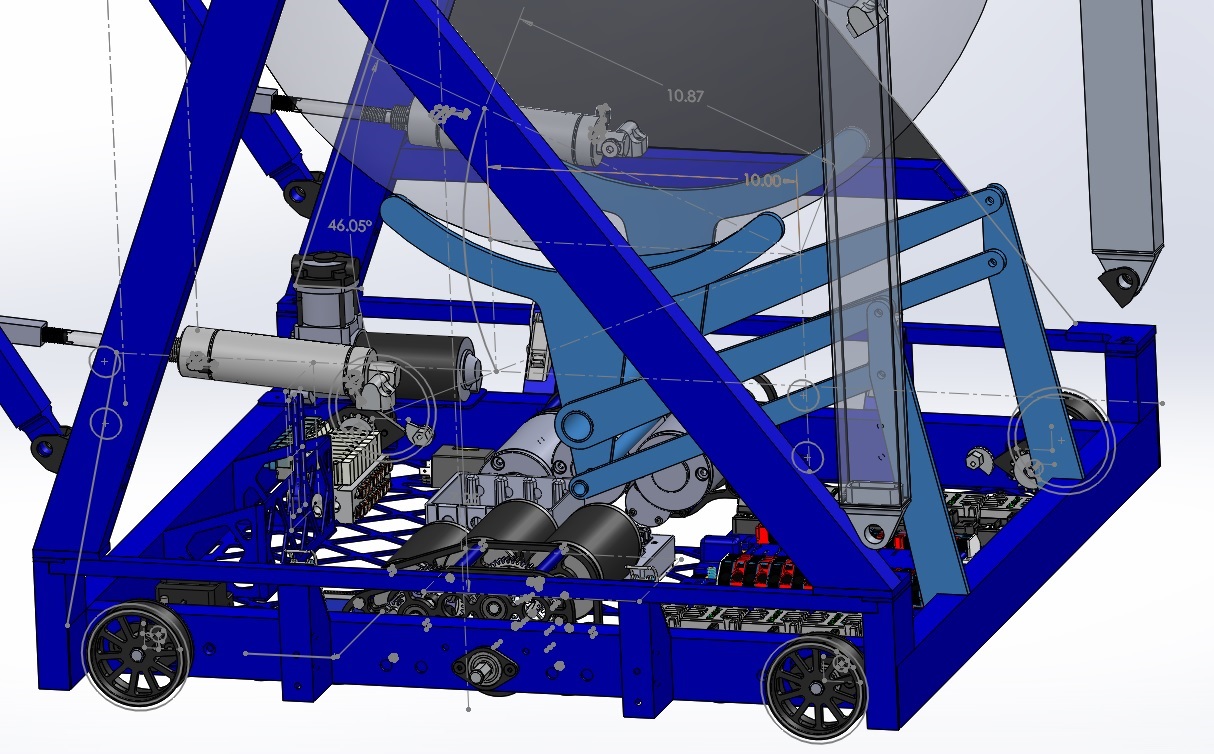
Today, we continued the design of the robot and continued detailing the main intake, the shooter wheel and the actuating hood. The shooter is powered by two mini CIM motors with power transmission through small GT2 timing belts. The front intake has a 550 motor mounted on the end of the arm with a two-stage belt reduction aimed to give a roller surface speed around 15 ft/sec. This speed was determined by estimating the average robot speed while intaking (10 ft/s) and determining the amount of time we hope for an intake to take.

Current CAD model of the robot. Hood design is very rough.

Furthermore, we finalized the design of the baseplate and continued work on the design of a drill holder.

Manufacturing

Today, we began making the outer bearing housings. A large order of material arrived today from our aluminum supplier. The aluminum plate for the robot bellypan was dropped off at sponsor BAE systems for waterjet cutting. We expect the baseplate to be cut on Monday.

Furthermore, a number of team members cut tread today. This tread will be used on practice wheels for existing robots and may eventually be placed on the competition robot (once its wheels are made).

Builders attaching tread to the wheel hubs

Roller Intake Prototype

Work was also started on building a more refined version of the roller intake prototype. The intake will be raised and lowered by pistons, and will be based on a CAD drawing of the final design.

Action Items

  • Finalize Robot Design and CAD under Andrew Torrance and Mani Gnanasivam
  • Refine Intake Prototype under Dan Judnick
  • Programming and related testing with Brandon or Stephen
  • Help out the Media Team under Kevin or Maxwell
  • Ask a leader or mentor or request access following the instructions on the whiteboard to see what other tasks are listed on the Trello.

Day 10: Rest Day

2014 FRC Build SeasonFIRST Robotics

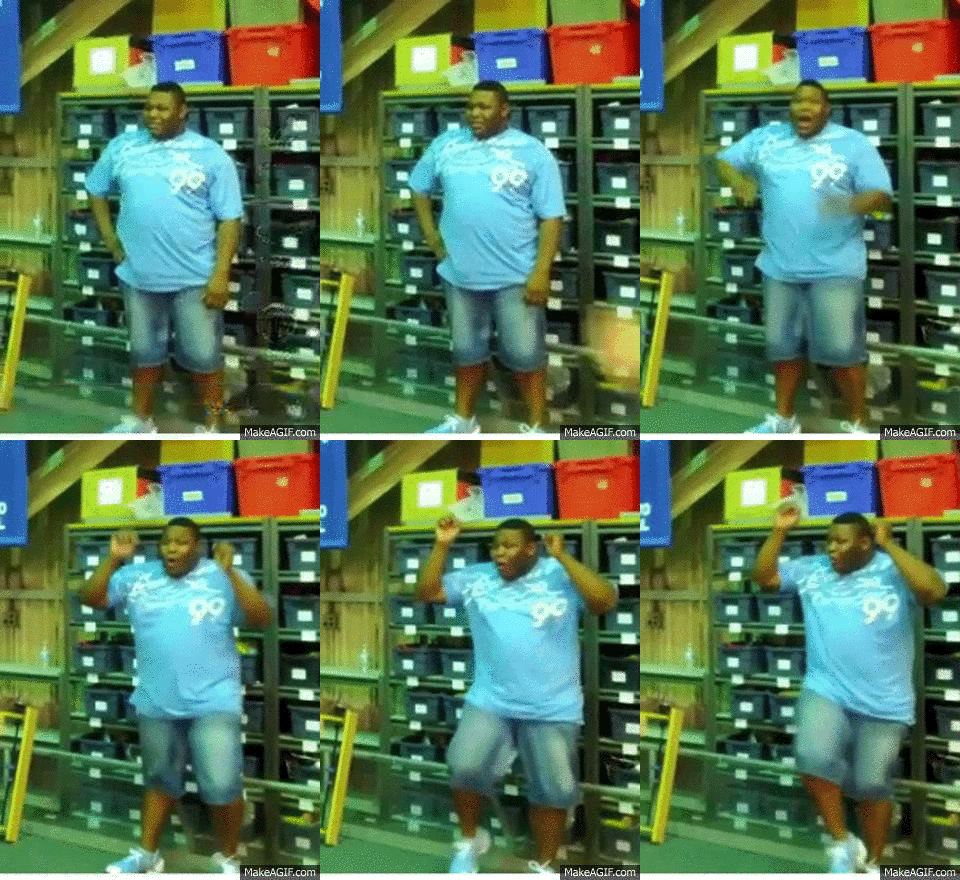
In honor of our first day of rest of the season, here's a GIF of the season's latest dance craze.

Today, we didn't meet at the lab. Some team members worked on CAD on their own.

Day 8: Prototyping and Miscellaneous

2014 FRC Build SeasonFIRST Robotics

by Christian and Michael Simeon

Catcher Prototype

Today, students lined the catching prototype with VEX field flooring tiles to help keep balls in the catcher by preventing them from bouncing off the PVC pipes and rope. Students also improved on the attached intake prototype. Additionally, they attached gyroscopes and encoders to allow the prototype to better recognize angles and ultimately better function. Students have begun testing for those encoders and gyroscopes added to the drive base. Sending data from the encoders and gyroscopes to a web browser with graphs and statistics on the robot will help with fine tuning the prototype.

The catcher prototypeStudents working on the catcher prototype, updated with floor tiles

The Shooter Prototype

An elevator system with metal bars and PVC has been added so that balls can be more consistently fed into the shooter. Additionally, the arch on the top of the shooter prototype has been modified. Later, metal and PVC were removed and replaced with a frisbee and cables.

Students testing the elevator systemClose-up view of PVC frame prototype for the flywheel shooterJosh testing the new elevator system with cables and frisbee

CAD

Today the people working on CAD continued working on drive base. They mirrored the gear box for the other side of the robot and added it to the drive base CAD. They also added the electronics and other necessary components. Finally, they also made part drawings for spacers in the gear box.

Students and mentors working on the gearbox CAD

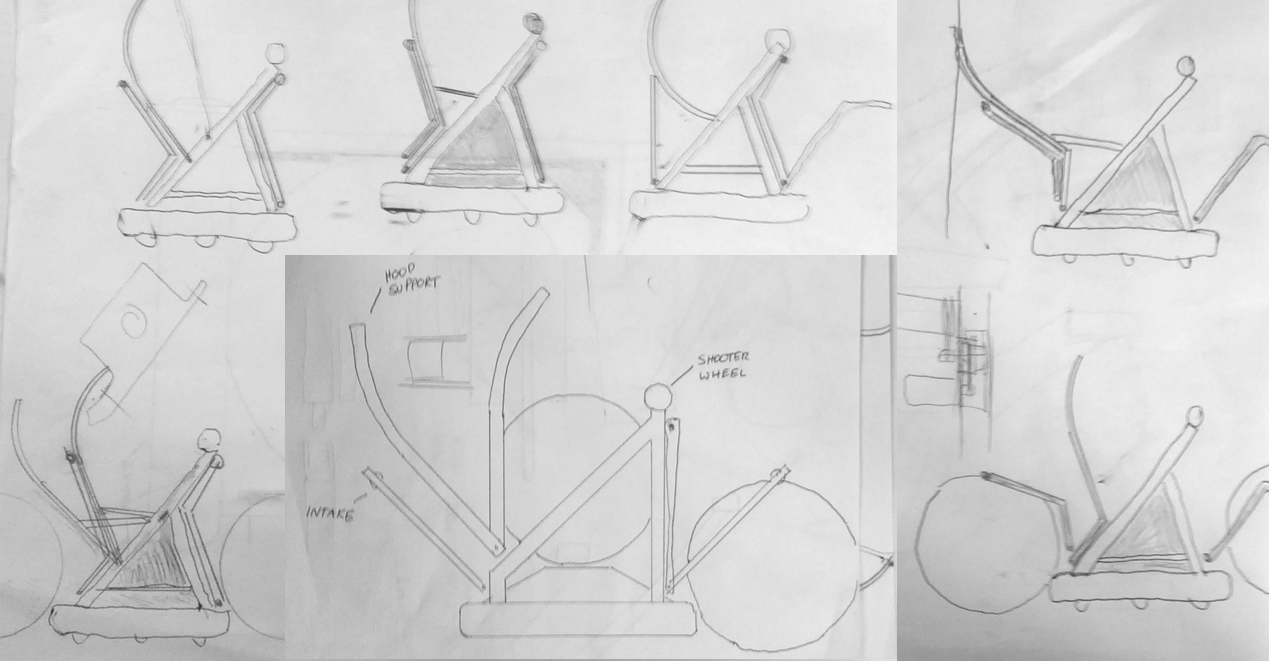
Team members also continued thinking about packaging options for the superstructure. We have decided on having three pivoting arms for the robot's two intakes and catching hood. All arms will be piston-actuated and are designed to fit within the 20" extension rule. The intakes are bent to allow for rollers to contact balls as the robot spins to grab a ball. With straight bar intakes, the bars could push balls out of the way of the intakes.

We also discussed mechanisms for locking the hood in place during shots to prevent the balls from pushing against air pressure to reduce hood compression. Discussed mechanisms included an over-center piston linkage and a locking piston mechanism. We will likely move forward with the locking piston mechanism.

Sketches of potential superstructure packaging options.

Miscellaneous

Students and mentors worked on the lathe to create standoffs for the gear box. Additionally, work continued on submissions for the Entrepreneurship, Chairman's, and Media and Technology Innovation Awards.

Action Items

  • Finalize entire drive train design and CAD with mentors to prepare for ordering the baseplate
  • Finalize catcher prototype with Abhi
  • Finalize control board design with Brandon Gonzalez, Chris Sides, and Abhi Kumar
  • Work on pit display with Travis
  • Brainstorm ideas for publicity releases for team social media sites for releases throughout the build season: for Jeremy, but he will not be there
  • Create and maintain a Gantt chart for Mani
  • Help Mani clean up
  • Ask a leader for other tasks on the Trello