522 posts

Driver Practice, Competition Preparation, and Debugging

2013 FRC Build SeasonFIRST Robotics

2013-02-28 20.31.12Robot

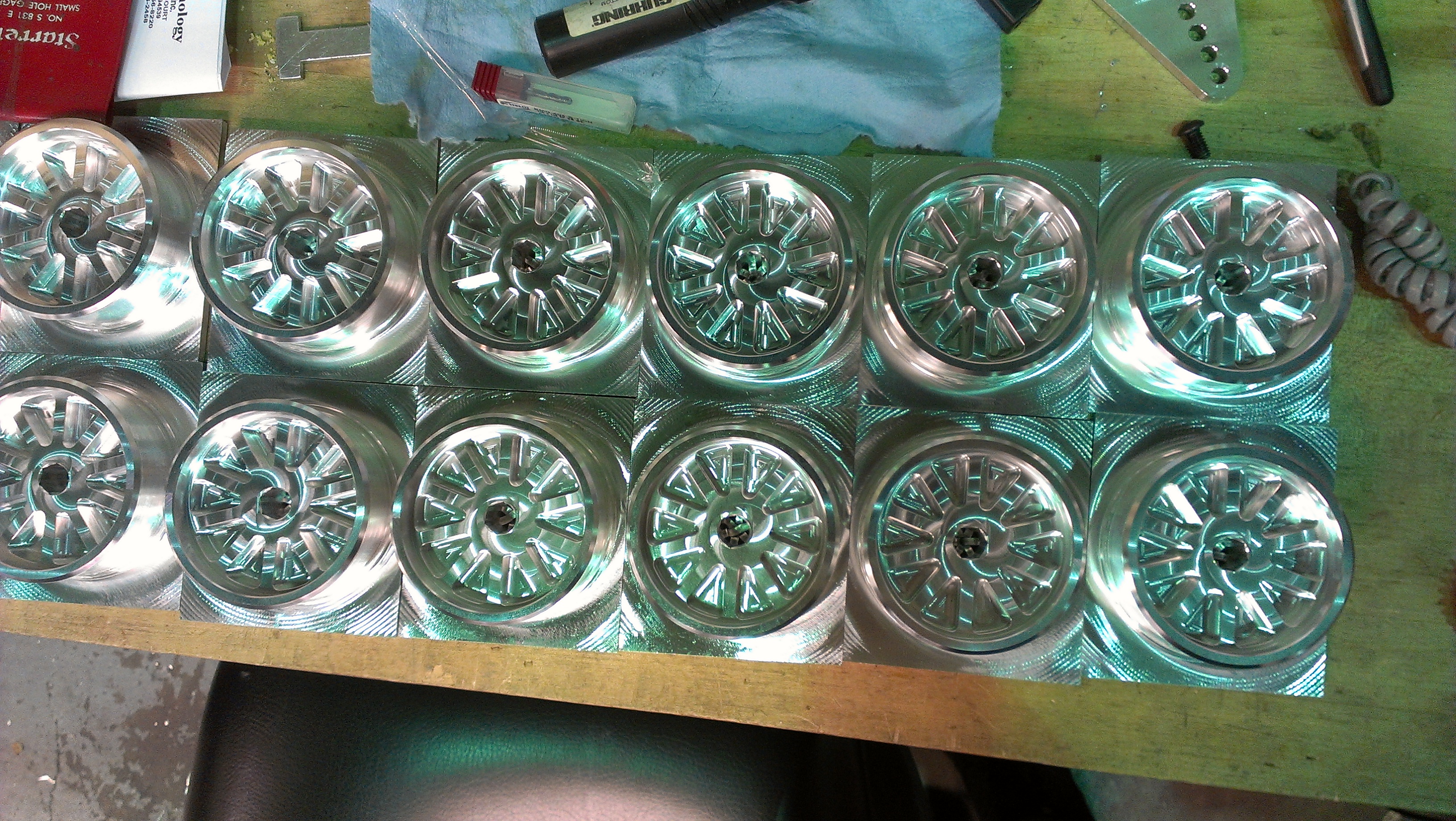
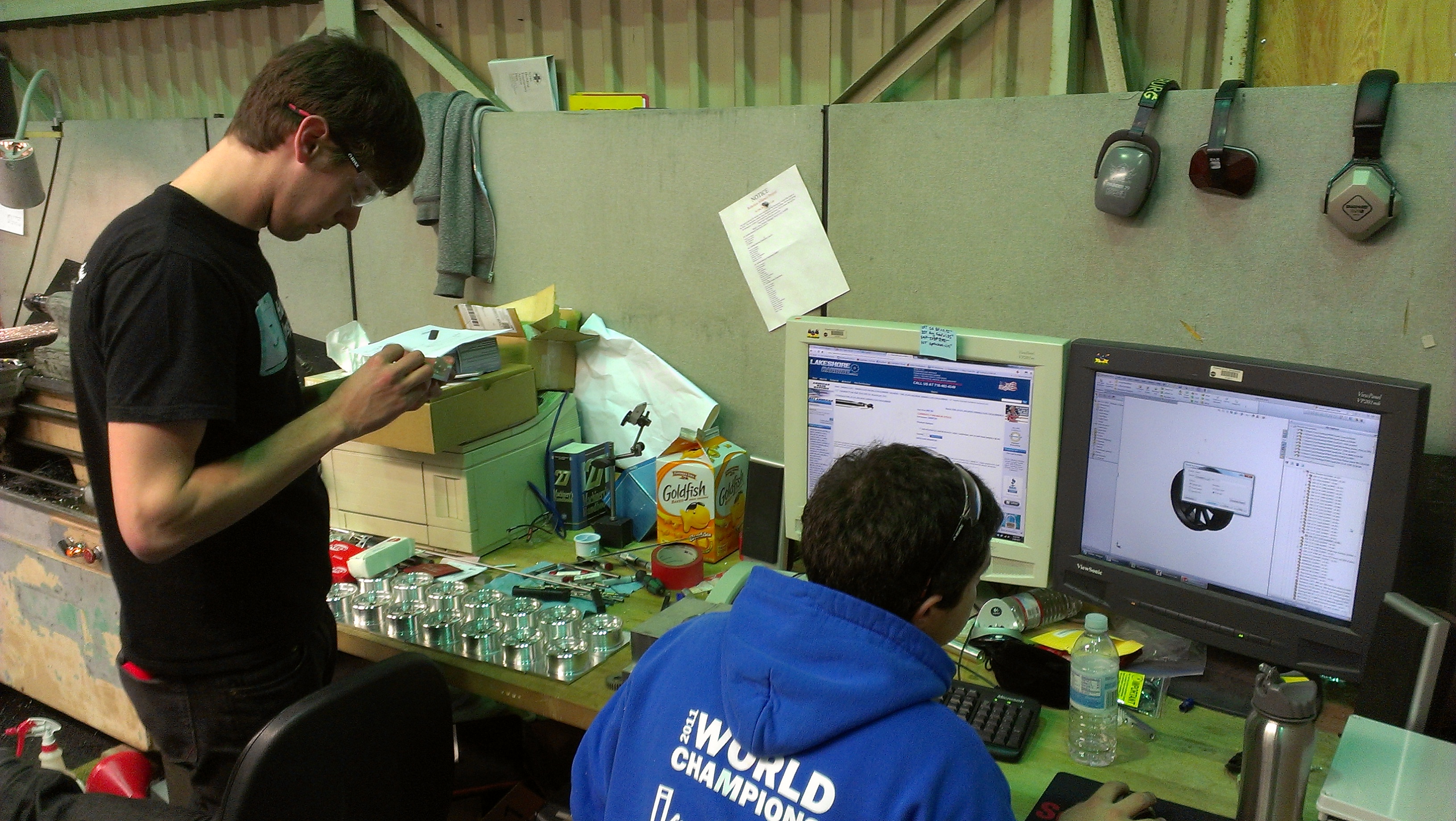
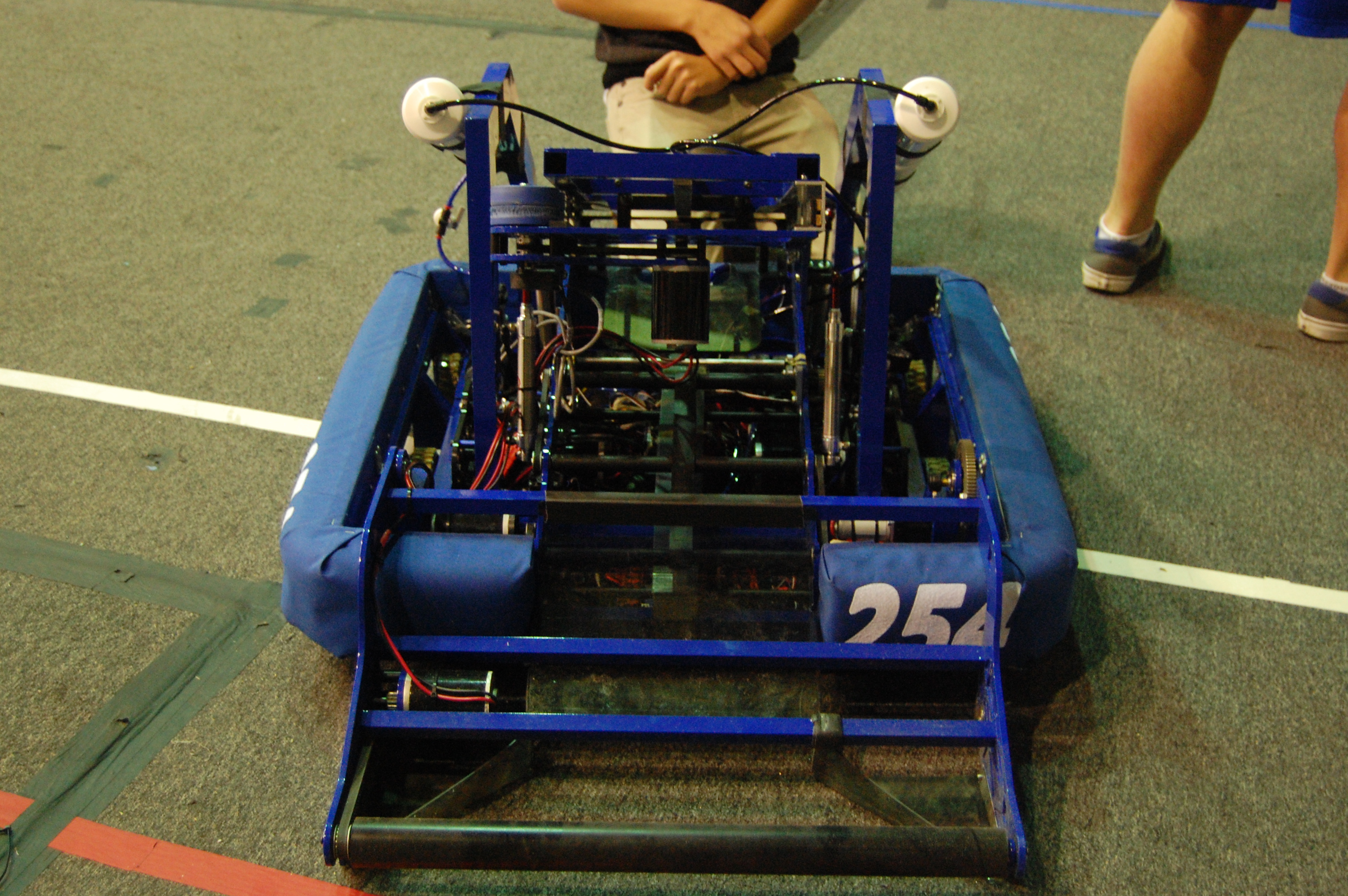
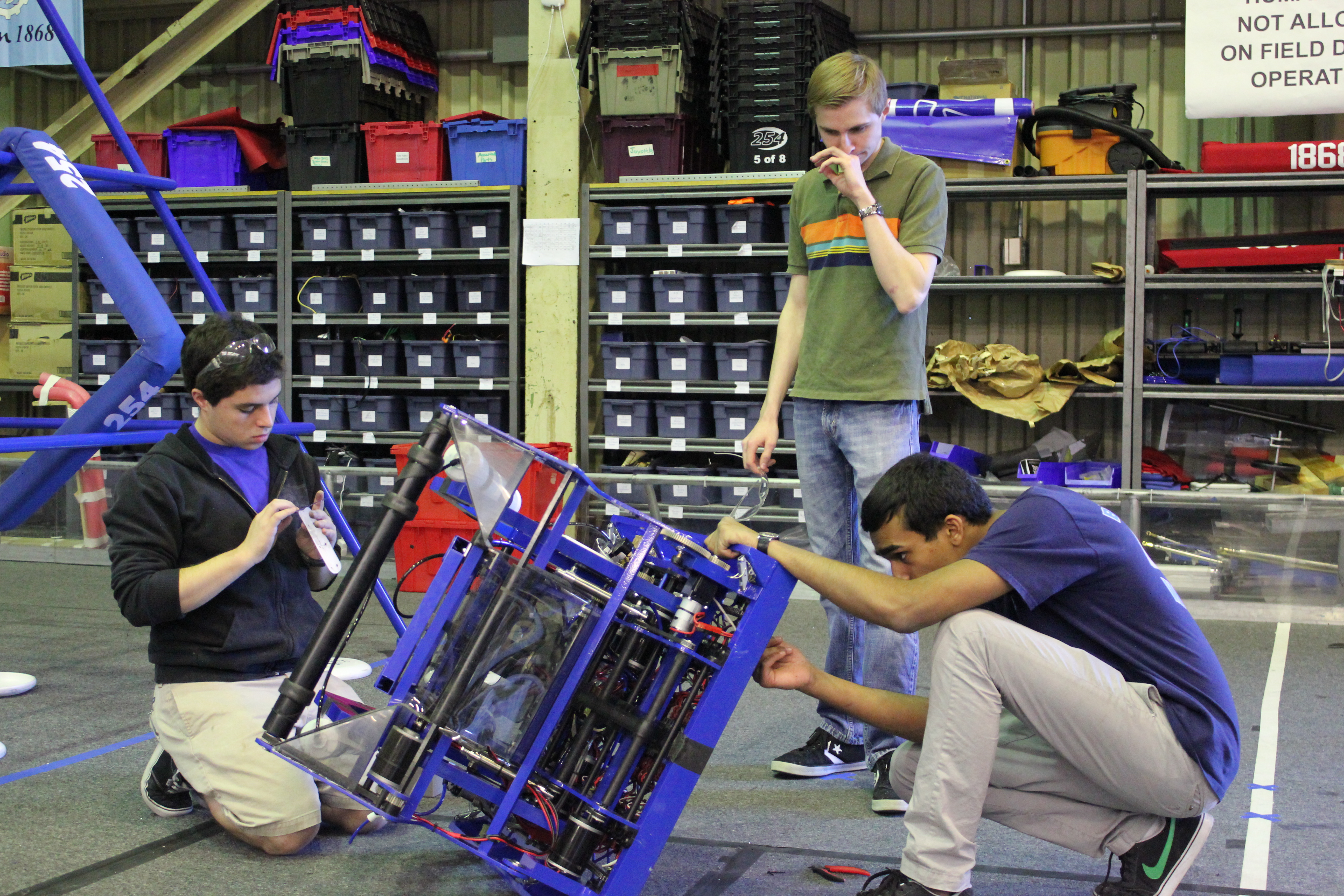
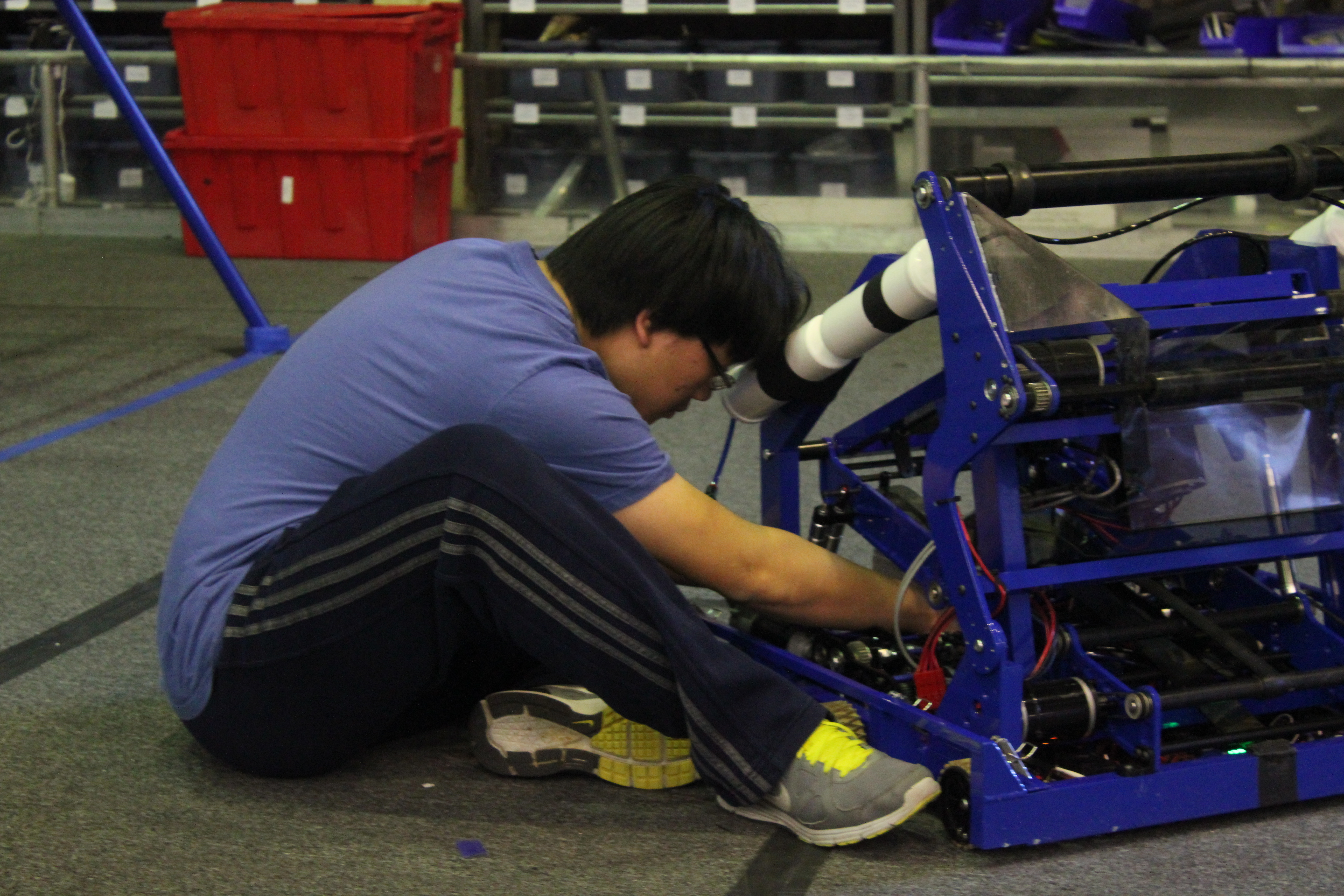
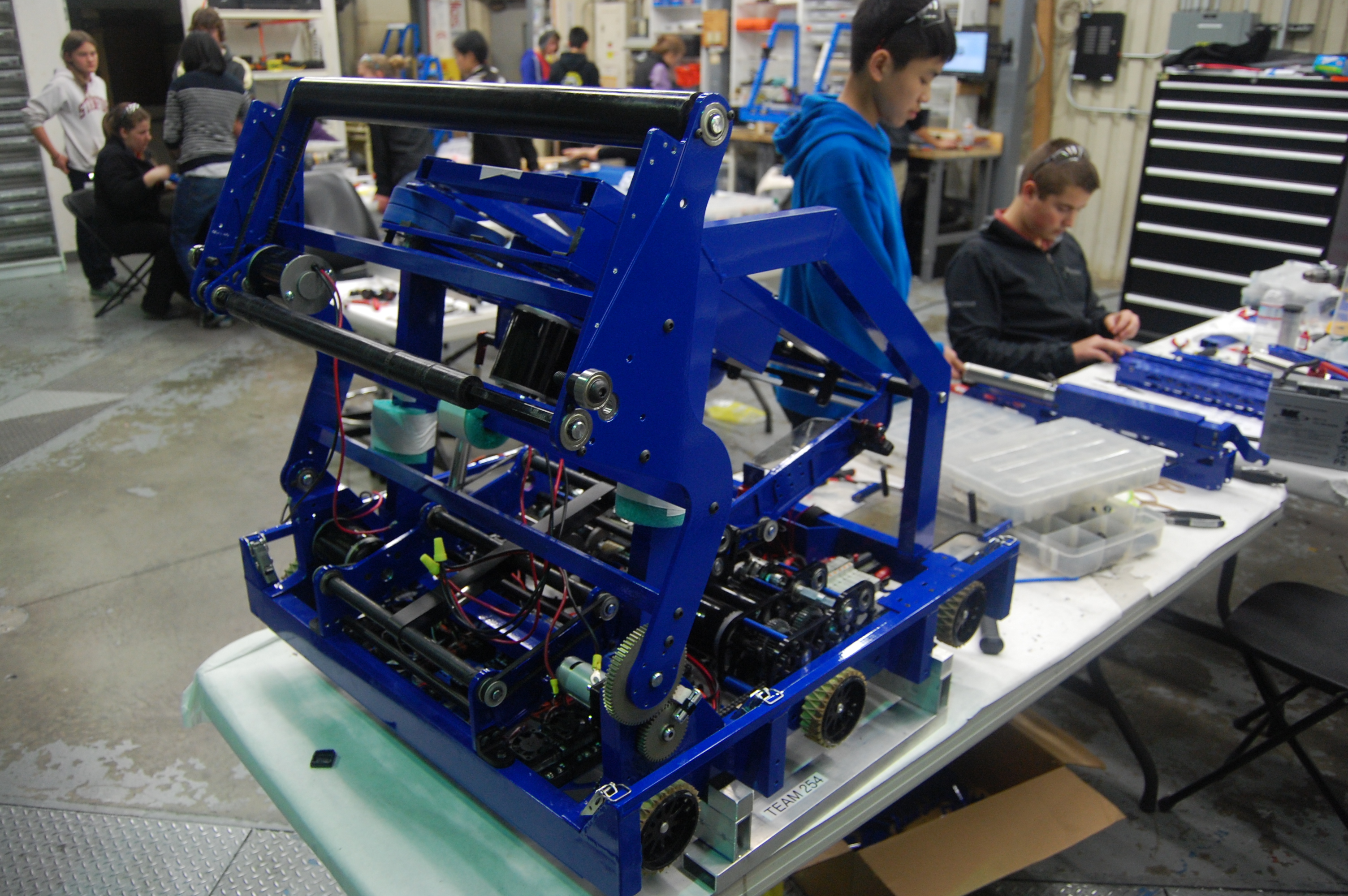
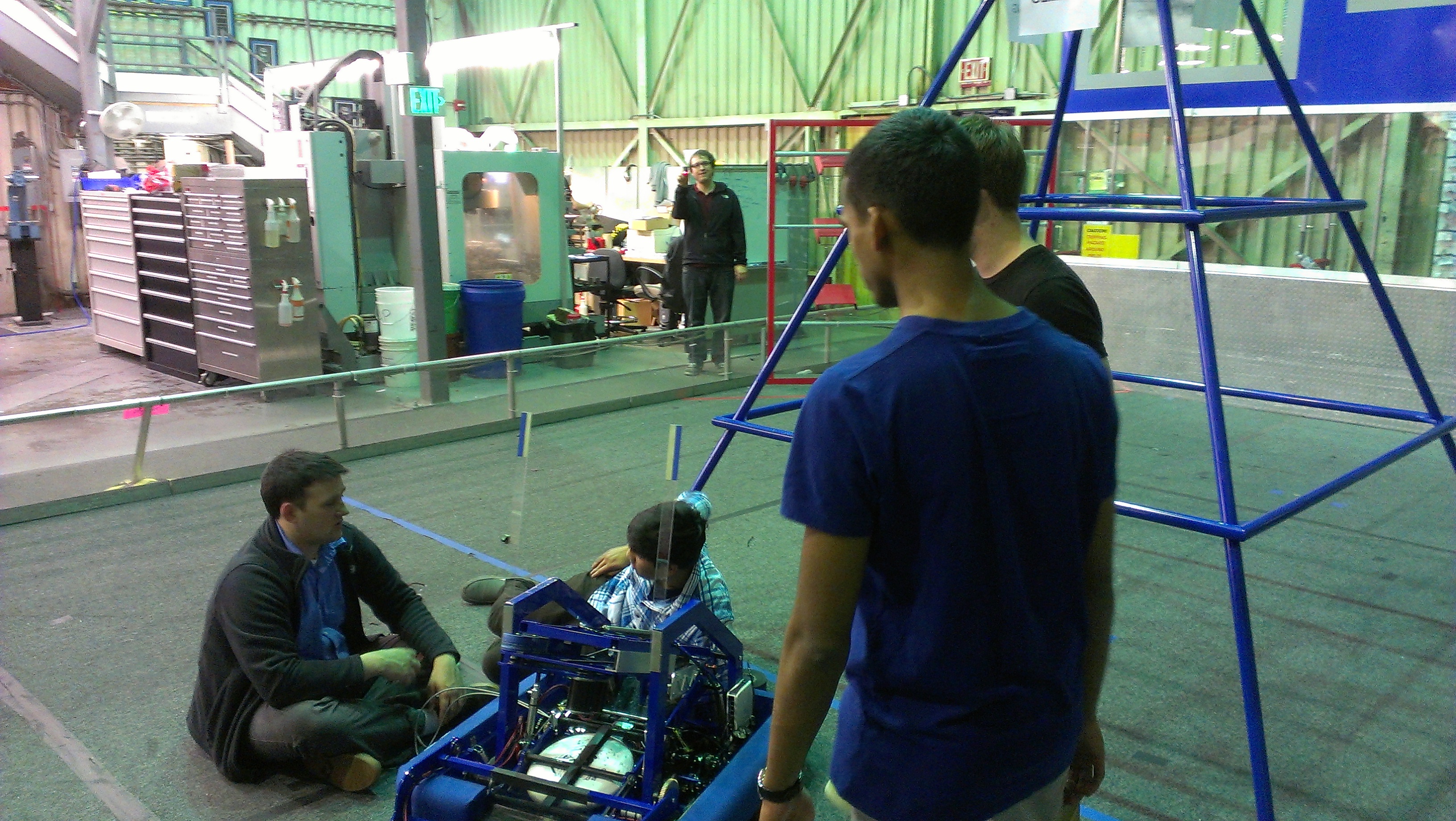
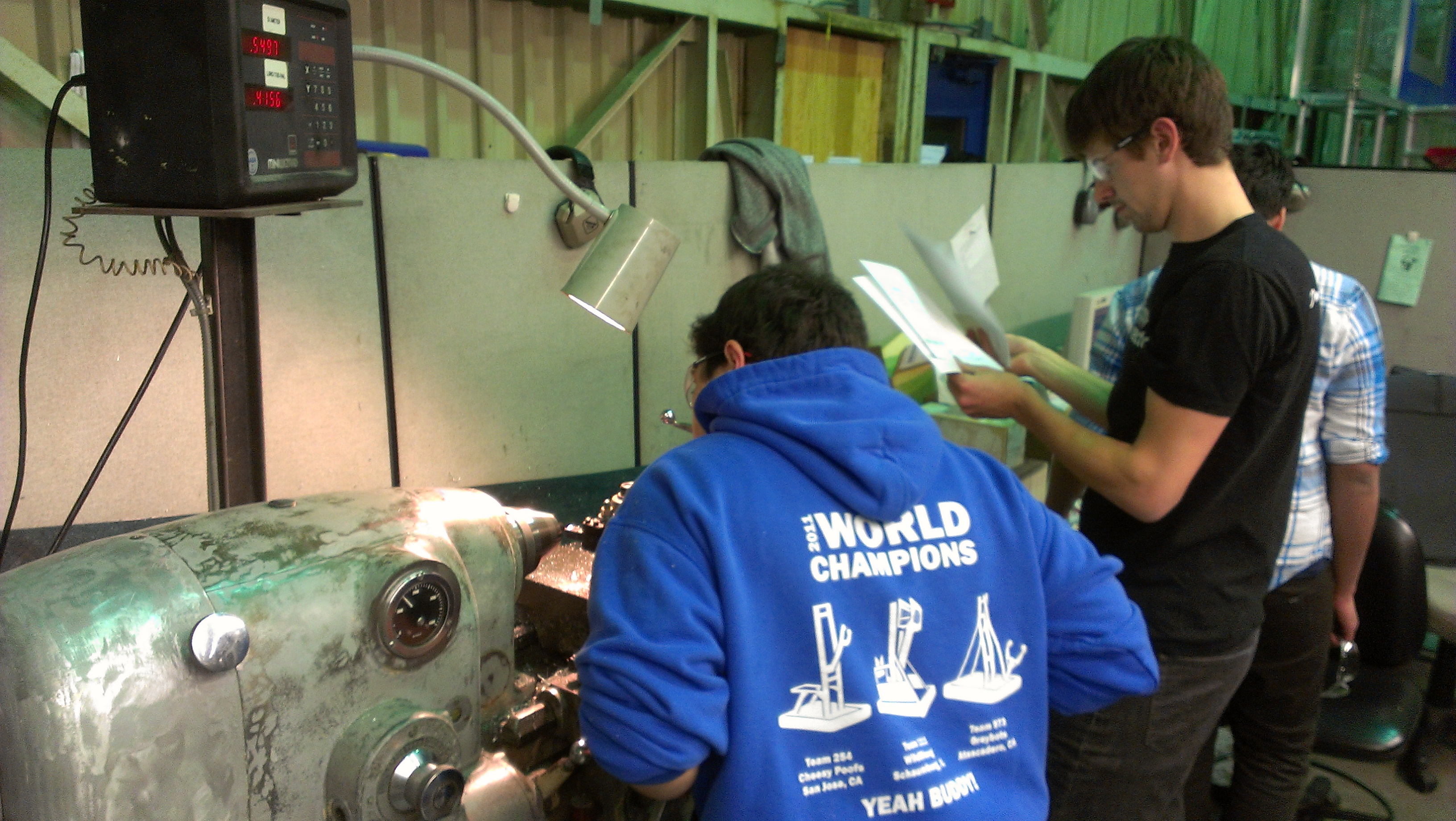
The robot wheels got partially machined today. They are currently still being worked on. Drivers practiced driving around and other students continued debugging the shooter. This was a result of the fact that the shooter kept jamming, because it would intake one frisbee on top of another. Some of the robot parts were turned on the lathe.
2013-02-28 20.29.14-1

2013-02-28 20.21.42

2013-02-28 20.20.32

2013-02-28 20.18.31

2013-02-28 20.16.14

Programming

The programmers rewrote a fair amount of logic for the robot's subsystems, specifically, the intake and the shooter.  The shooter's two S5 encoders were removed due to space constraints on the robot, so the shooter wheel speeds will operate on an open loop controller.  Instead of the old shooter state controller logic, individual commands will call specific functions.  In addition, the intake raising and lowering was given an open loop as well.

The programmers also continued working on autonomous mode functions.  Below is video of a five-frisbee autonomous sequence.

Competition Prep

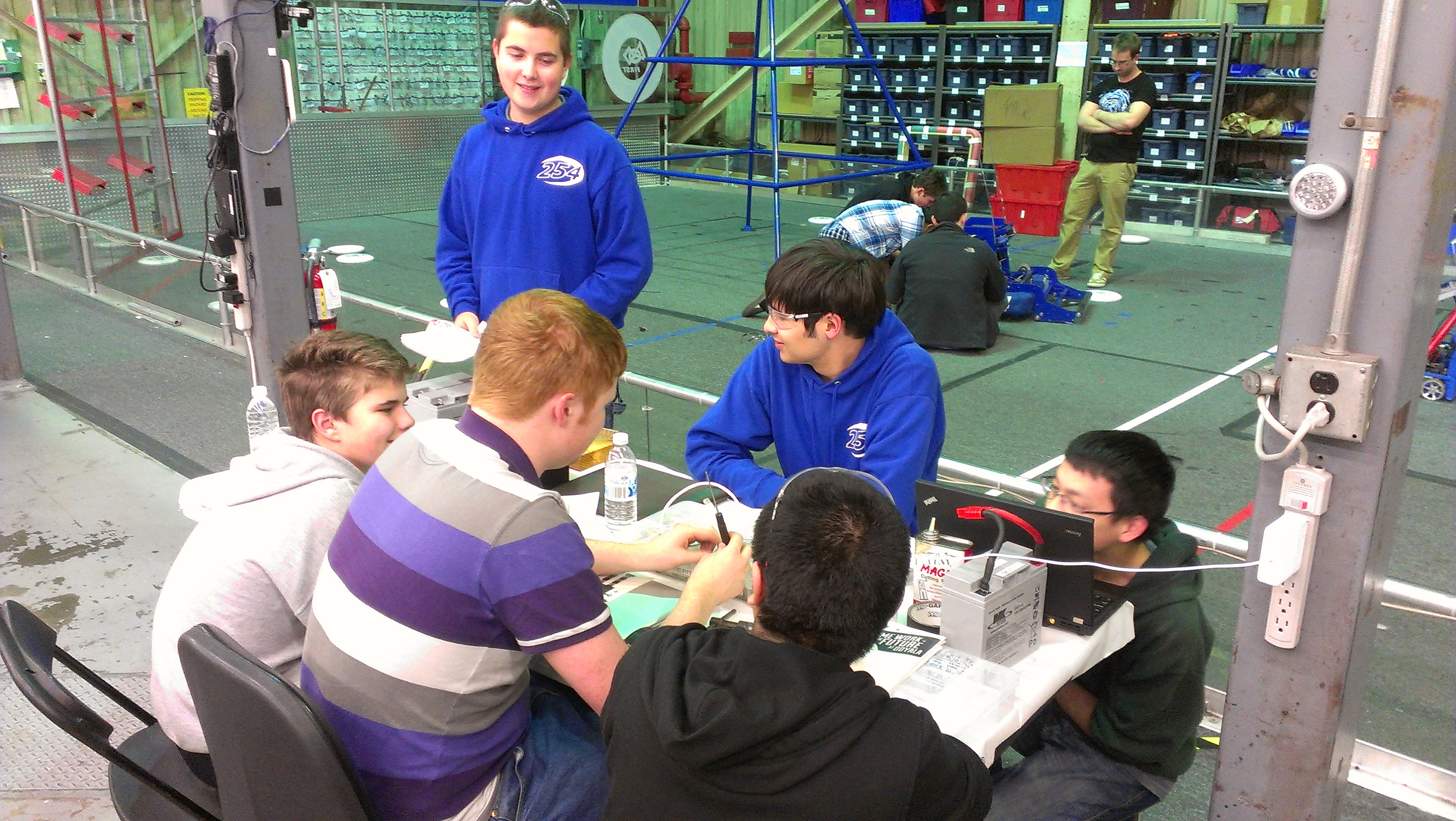
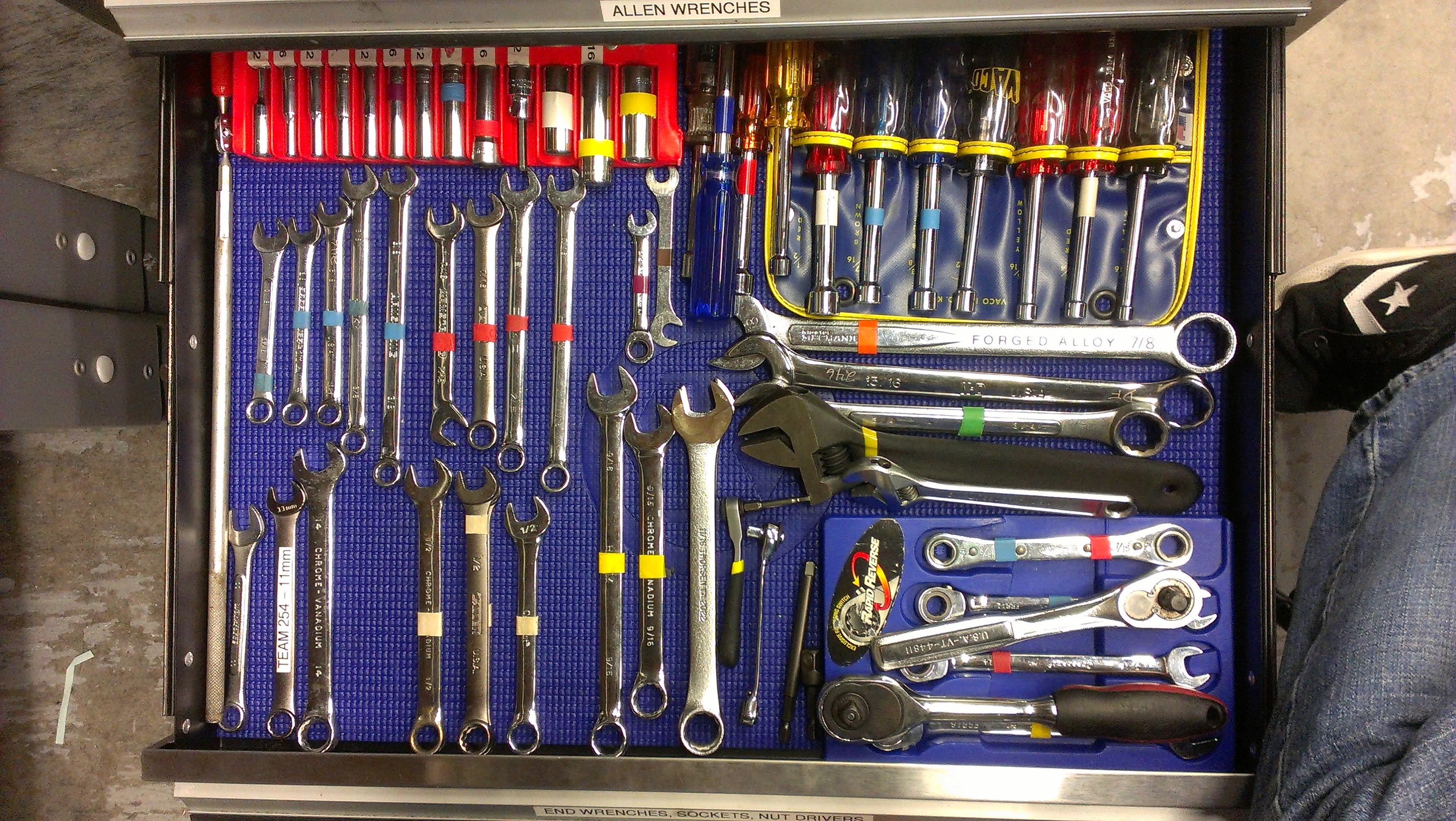
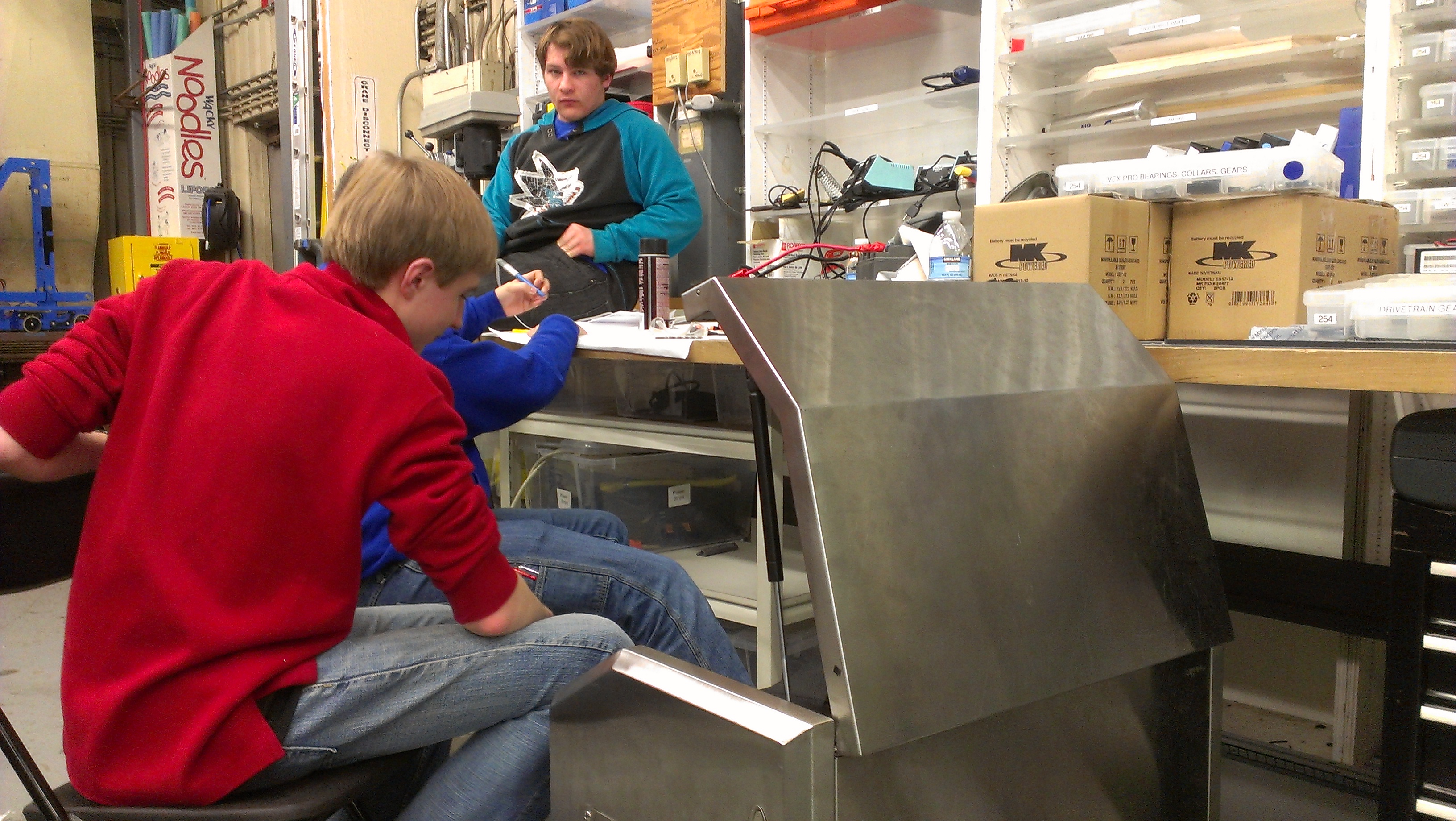
The competition tool chest was inventoried and organized, so that we will be ready to take it to San Diego next week. One of the robot stands was also completed, the other is still in progress, and will likely be finished tonight.
2013-02-28 20.22.35

2013-02-28 20.21.59

Driver Practice and Machining

2013 FRC Build SeasonFIRST Robotics

Machining

Students worked on manufacturing the official robot stands.  They used the metal pieces from the previous robot stand, but cut those pieces to length using the horizontal bandsaw.  They also drilled new holes into the metal with the mill.

Meanwhile, Cory created wheels on the CNC.

Driver Practice

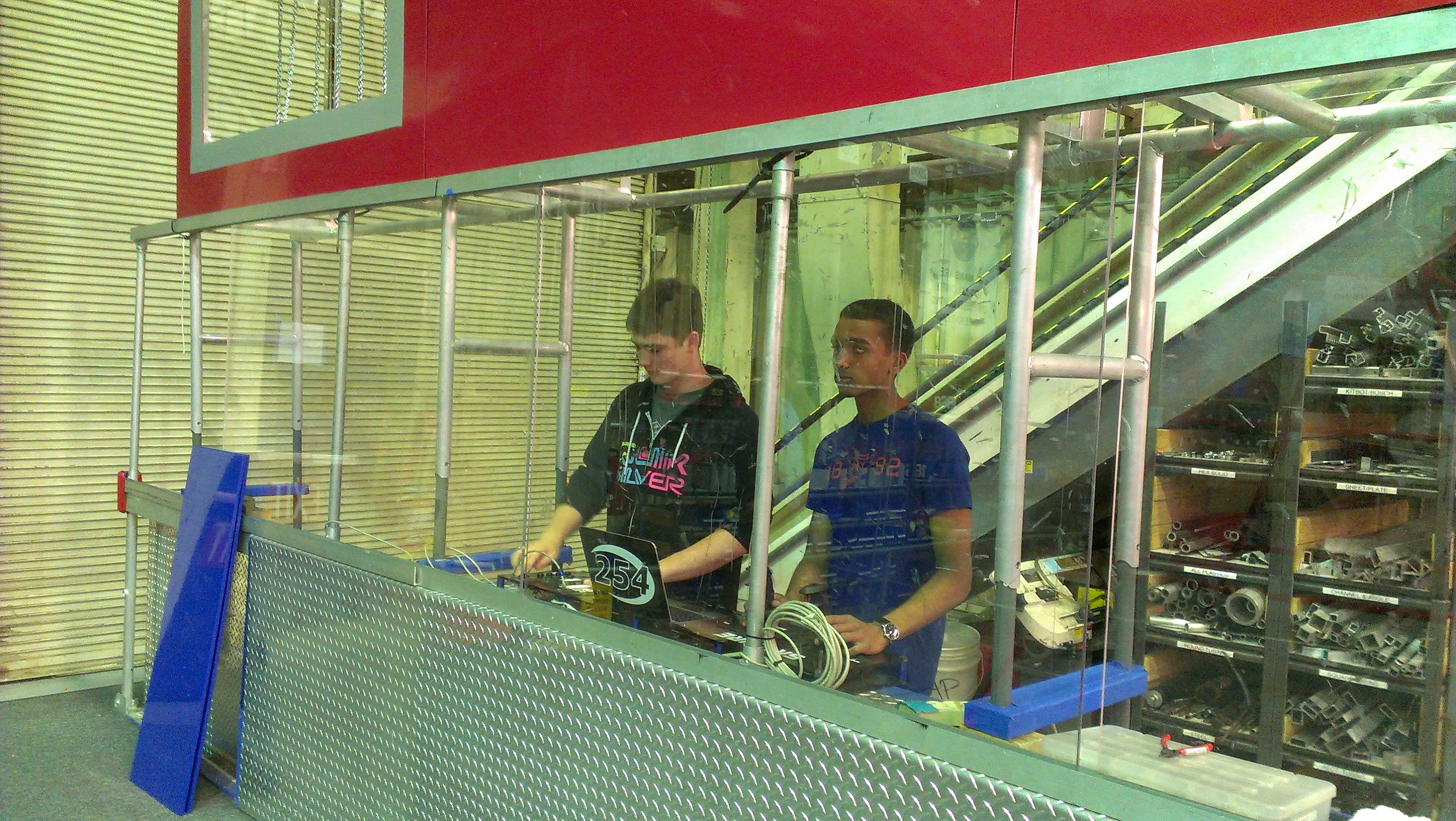
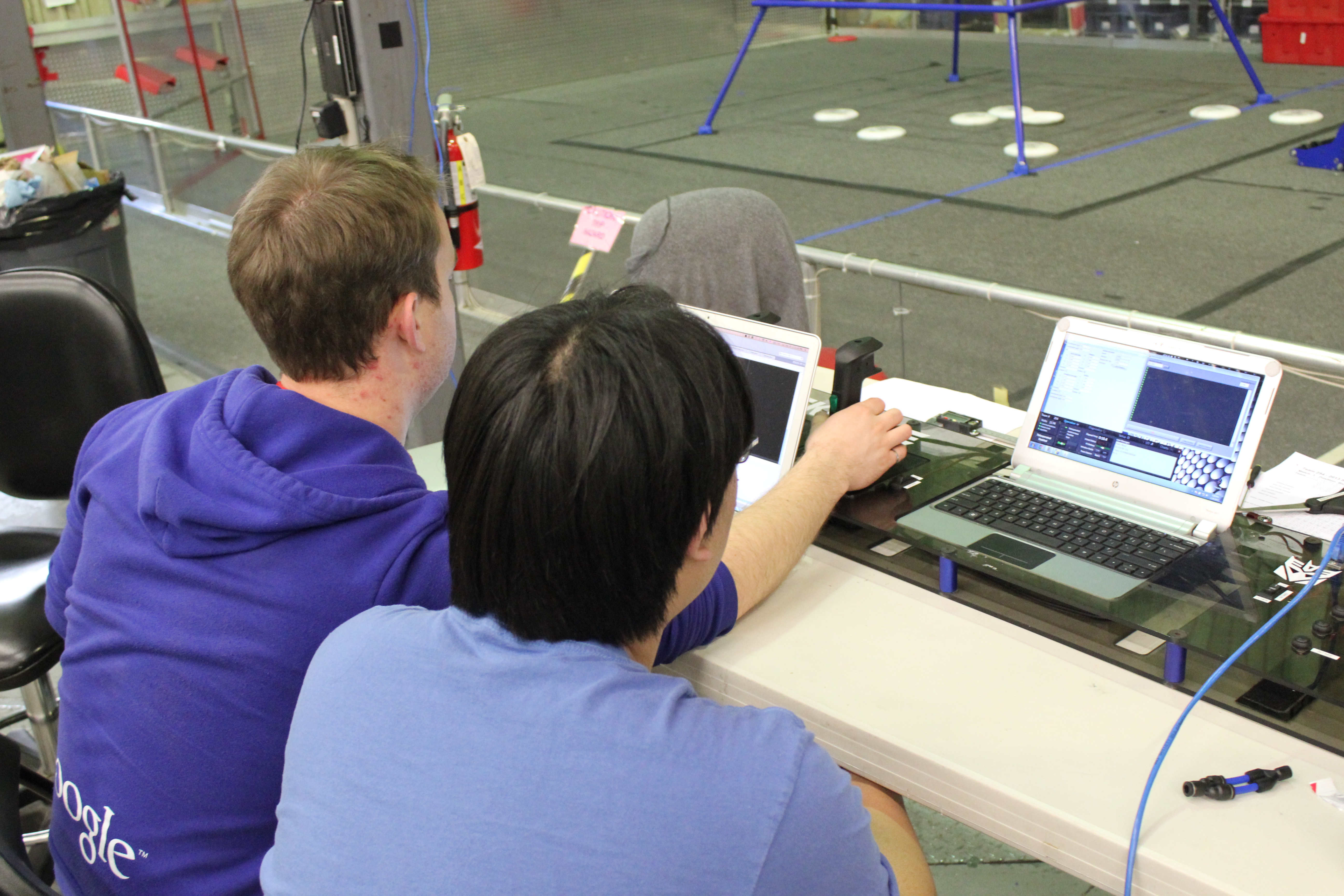
Abhi and Chris (this year's primary driver and operator) had a bit of practice time today.  They drove around the field, picked up frisbees, indexed them into the shooter, and shot them.  Currently, there is still an issue with multiple frisbees stacking in the back of the conveyor, even with the horizonal cross bar.

Robot Updates

The team attempted to replace the conveyor CIM motor with a VEXpro planetary gearbox (4:1) to reduce the robot's overall weight.  However, during extensive driver practice, the gearbox started emitting smoke.  Students promptly removed the planetary gearbox and replaced it back with the CIM motor.

Elsewhere, the robot was re-weighed on the digital scale with all the changes so far.  However, the robot is still around 7 pounds overweight (counting the hanger, hooks, and polycarbonate side plates).

Programming

The programmers re-assigned and re-mapped certain buttons on the operator's side of the control board.  The right four buttons are now going to be shooter speed & angle presets (back/front of pyramid, full/low speed).  The two buttons to the left of those will be the shoot button and the manual shooter angle button.  In addition, the programmers cleaned up the code and made it comply with the style guide.

Action Items

  • Fix intake

Lab closing time for the night was super late.

Driving Practice and Lights

2013 FRC Build SeasonFIRST Robotics

The main focus of build today was to iterate the shooter index mechanism to improve consistency. Many other projects were run on the side including pit lights, Social Media award, Chairman's award, and the Bill of Materials.


Design

Students designed a new robot stand on Solidworks. They fixed the current robot stand by giving the robot less room to slide and by allowing it to fit into the robot cart. 

Other students and mentors continued working on new designs to improve the functionality of the intake.


Mechanical

In the past week, the team experienced many difficulties trying to index frisbees consistently. They manufactured a new frame for the indexer and replaced the polycarbonate side hooks with ones in a steeper angle. The robot now appears significantly more efficient in transferring frisbees from the intake to the shooter.


DSC_0791

Upgraded practice robot

Driving

The drive team practiced maneuvering through the field and inside the pyramids in preparation for next week's tournament in San Diego.


Programming

The programmers change the configuration of the operator controls and tested autonomous mode. They changed the shooter switch so it now only changes speed and not angle. 

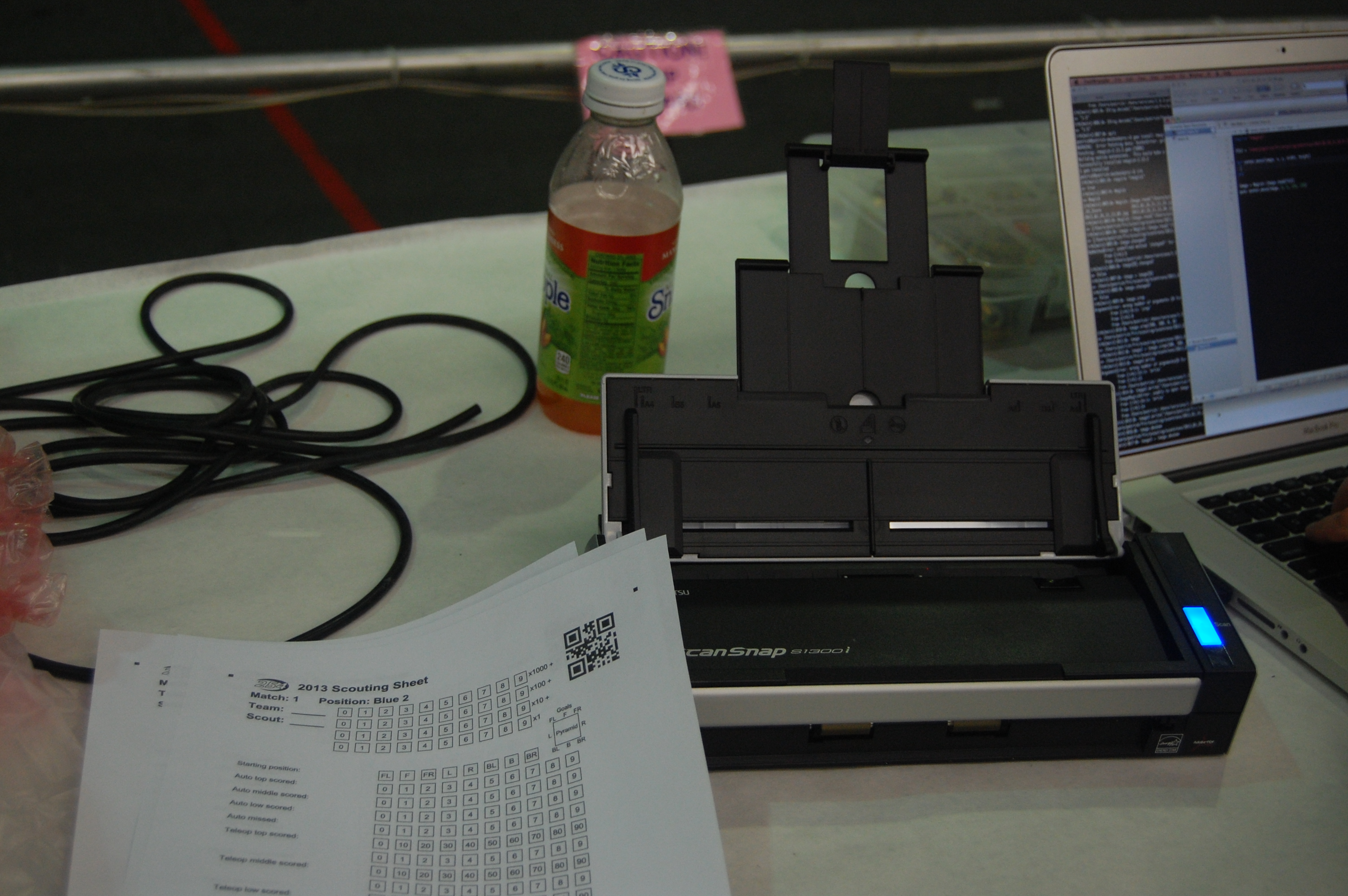
Meanwhile, Pat obtained a lightweight USB scanner (Scansnap) for use with scouting matches at competitions.  Currently, the software is set up to scan each sheet (starting with the bottom of the stack, allowing more sheets to be added simultaneously) and save it as an image file.  He is currently working on code to recognize and read certain parts of the sheet (QR code, bubbles).


DSC_0790

Scan-tastic!

Pit Lights

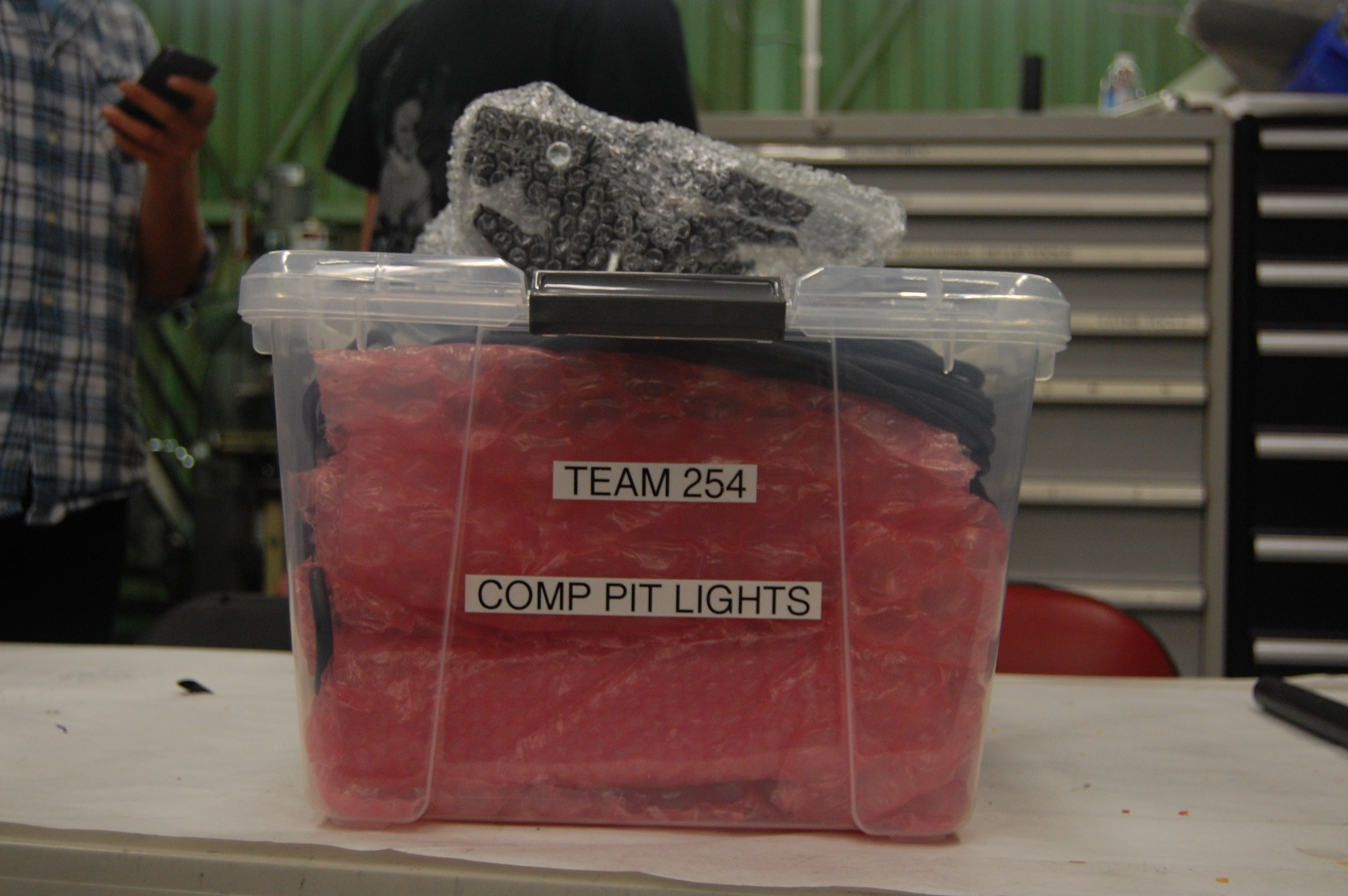
Students wired the pit flood lights and are working on the power supply for them.

Other programmers worked on the pit LEDs and were able to use an off-the-shelf IR module (receiver) to capture the signals sent by the remote controller. They then changed the configuration of items on the breadboard and replaced the IR module with an IR LED (transmitter). Using the data, they managed to emulate the remote and send signals to the lights to change their color.

There was a small issue where the lights turned themselves off occasionally when they were sent remote signals. The code for this project will be uploaded to GitHub.

DSC_0789

The box o' lights

Action Items

  • Enhance intake system


Expected closing time for the lab: 12:00

Build Season Recipes: Week 7

2013 FRC Build SeasonFIRST Robotics

After a pre-ship weekend devoid of baking due to lack of time, we feasted on these the weekend after ship. Their comforting home-style goodness helped assuage our sorrow at the underwhelming performance of most of the robot's subsystems thus far.

Oatmeal Chocolate Chip Cookies

  • 7/8 cup butter

  • 3/4 cup brown sugar

  • 1/2 cup sugar

  • 2 eggs

  • 1 tsp. vanilla extract

  • 1-1/2 cups flour

  • 1 tsp. baking soda

  • 3 cups rolled oats

  • 1-1/2 cup chocolate chips

Cream butter and sugars. Add eggs and vanilla; beat. Add flour, baking soda and oats; mix well. Stir in chocolate chips by hand. Drop on cookie sheet and bake at 350°F for 8-10 minutes.

Build Season Recipes: Week 5

2013 FRC Build SeasonFIRST Robotics

This recipe is a couple of weeks late in posting, but these cookies fuelled our manufacturing and assembly activities at the end of Week 5.

Chocolate Sugar Cookies

  • 3 squares unsweetened chocolate

  • 1 cup butter

  • 1 cup sugar

  • 1 egg

  • 1 tsp. vanilla extract

  • 2 cups flour

  • 1 tsp. baking soda

  • 1/4 tsp. salt

  • additional sugar

Heat chocolate and butter in microwave until melted; cool. Add sugar, egg, and vanilla; beat. Add flour, baking soda and salt; stir until completely mixed. Refrigerate for 30 minutes. Roll dough into balls and roll in additional sugar until coated. Place on cookie sheet and flatten with fork. Bake at 375°F for 8-10 minutes.

Indexing Mechanism and Hanger

2013 FRC Build SeasonFIRST Robotics

Assembly and Adjustments

There are many components on the robot that need tuning. Because there is so much to do and so little time to do it (our first competition is in 10 days), we started prioritizing the tasks we need to complete. We decided the most important mechanisms that we need to focus on are our indexing mechanisms, intake, and conveyor.

Indexer

For the indexing mechanism, there needs to be a passive (and durable) way to grab the frisbee from the conveyor and bring it to the shooter. What is currently being used are flaps of polycarbonate (1/16" thick) that bend under the frisbee and pop in place. These work fine for about four shots before the flaps warp and break. A thicker material will not work because it will not bend enough. To solve this, new mounting plates were made that were a bit deeper allowing these flaps to be bend differently. This will hopefully give more clearance for the frisbee to go through and make the flaps more durable.

Conveyor

There was not a lot of progress done on the conveyor today because the focus was the indexer. However, it was decided that there needs to be a stronger spring force on the indexing mechanism to ensure that the frisbees do not stack on top of each other. With the bar pushing down with more force, there will not be stacking.

Hanger

The hangers were fully assembled today. The timing belt was tensioned after a significant struggle to get the screw to catch the threads. The goal is to mount the hanger to the robot tomorrow and test the hanging. There need to be a few more parts assembled tomorrow to drive these hangers (such as the drive pully and its associated belt). All parts have been ordered and should arrive tomorrow.

VEX Planetary Gearbox

It was found today that the VEX Planetary Gearbox used on the lifting mechanism for the intake was not assembled correctly. Because of this, parts of the gearbox broke apart due to stress. A solution is being worked on.

Programming

Tom worked on tuning the intake to ensure it doesn't smash against the robot when it is fully lifted and it doesn't smash against the ground when it is fully lowered. He was using the encoder and tuning the control loops. It seemed to work fine, however there needs to be more testing done.

Action Items for Tomorrow

  • Finish assembling and mounting hanger
  • Continue testing the lifter and ensure proper durability of polcarbonate flaps. Examine other possible solutions/materials for flaps
  • Fix every other subsystem on the robot

Autonomous Testing

2013 FRC Build SeasonFIRST Robotics

IMG_2663Assembly & Adjustments

Students performed adjustments and enhancements all over the practice robot today, all in preparation for the team's first regional of the season at San Diego in a little less than two weeks.  For instance, they replaced the indexer polycarbonate flap with a new one.

IMG_2667
Miscellaneous enhancements and adjustments

Students continued to assemble the hanger mechanisms today, including tensioning of the timing belts.

Meanwhile, the team tested most of the subsystems of the robot in conjunction by intaking frisbees from the ground, transferring them through the conveyor and up into the shooter, then shooting them

Programming

Today, the programmers tested out a brand new seven-disc autonomous sequence.  It utilizes an infrared sensor in the conveyor to tell the robot to index the next frisbee.  Although they have yet to test the autonomous mode with actual frisbees, implement the shooter angle adjustment, and tune the intake position, it runs fairly well and quickly (right under 15 seconds).

Earlier in the day, there was a lot of debugging going on because the drive encoder values weren't getting updated.  After a while of fixing the wiring and removing some negative signs, the programmers were finally able to test their auto modes.

The students are also working on a five-disc autonomous mode that shoots three preloads, then picks up and shoots two frisbees under the pyramid.

IMG_2631

Testing out the autonomous modes
Action Items
  • Continue assembly of hangers
  • Continue work on autonomous modes and general tuning

Robot Bagged

2013 FRC Build SeasonFIRST Robotics

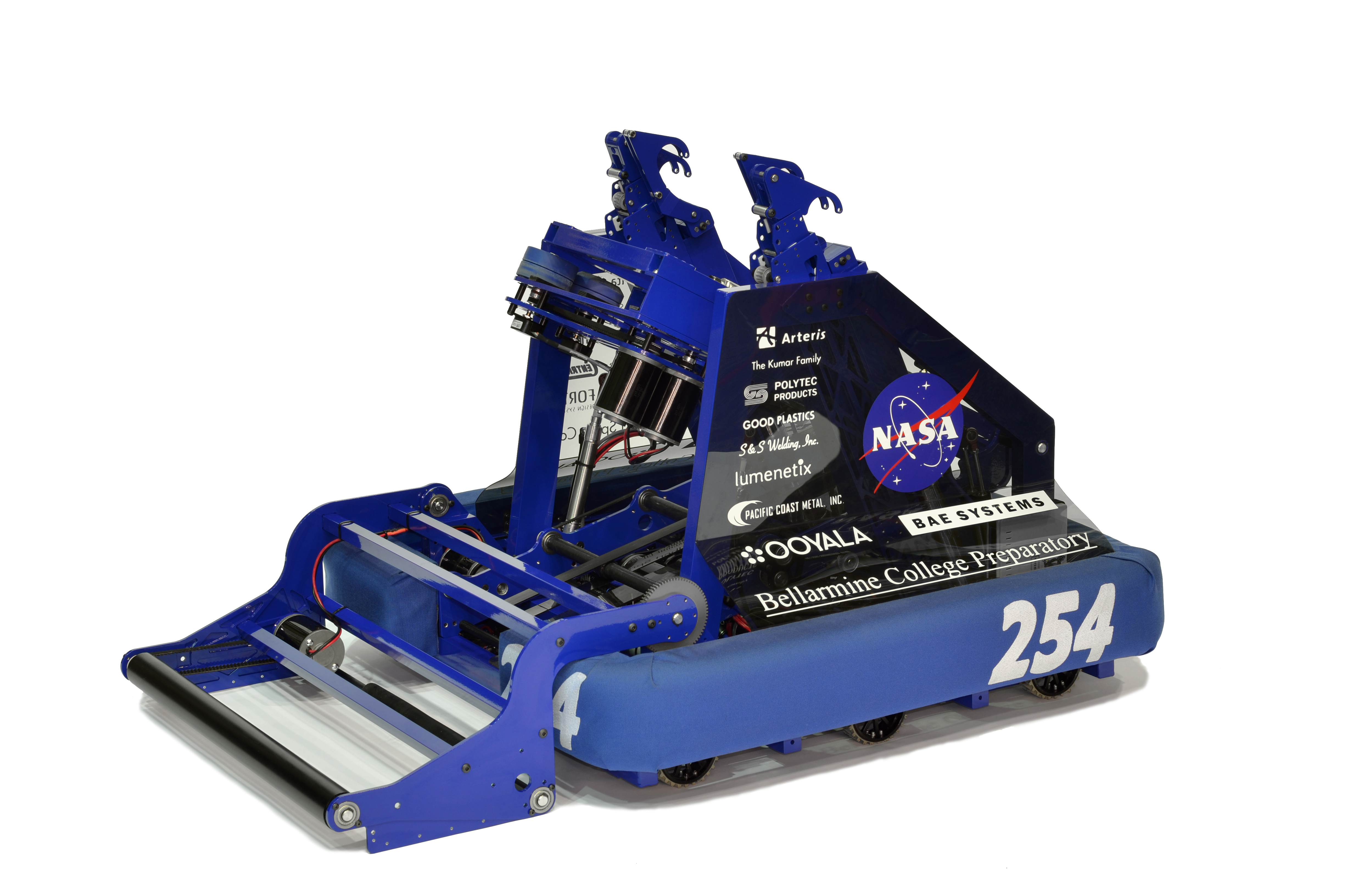
2013 254 RobotToday marked the end of the "official" build-season. The competition robot is enclosed in a bag and will stay there until our first Regional Tournament in San Diego (March 7-9).

I would like to thank everyone for their hard work, dedication, and support these past six weeks. Parents, thank you for the support you gave the students, by letting them come to the lab for such long hours, by providing meals, and by giving constant support. Students, thank you for your dedication to this project and your hard work. Mentors and teachers, thank you for your help, your relentless push to complete such a massive project, and your extremely long hours inside and outside of the lab.

That said, I want to remind everyone that build IS NOT over. Even though the competition bot is in the bag, there is still a lot to be done. There are many parts that need to be finished on the practice bot and many components need to be completed. There are subsystems that need to be iterated. With our first regional in two weeks, we will not be stopping build. We will be meeting at the same hours on the same days.

Tomorrow, February 20th, we will NOT be meeting. We will resume build on February 21st, at 5:30 pm. Rides to/from Bellarmine will resume on Tuesday, February 26th.

Below is a photo from tonight's robot photo shoot. Please remember to keep any information and pictures about the robot confidential. Even though the official build season is over, we want to reveal the robot at our leisure prior to one of our first regionals. So please, keep all information confidential.

Thanks everyone for a great six weeks so far; we've come a long way (but still have plenty to go). Thanks and Go Poofs!

Day #40: Hang On Tight

2013 FRC Build SeasonFIRST Robotics
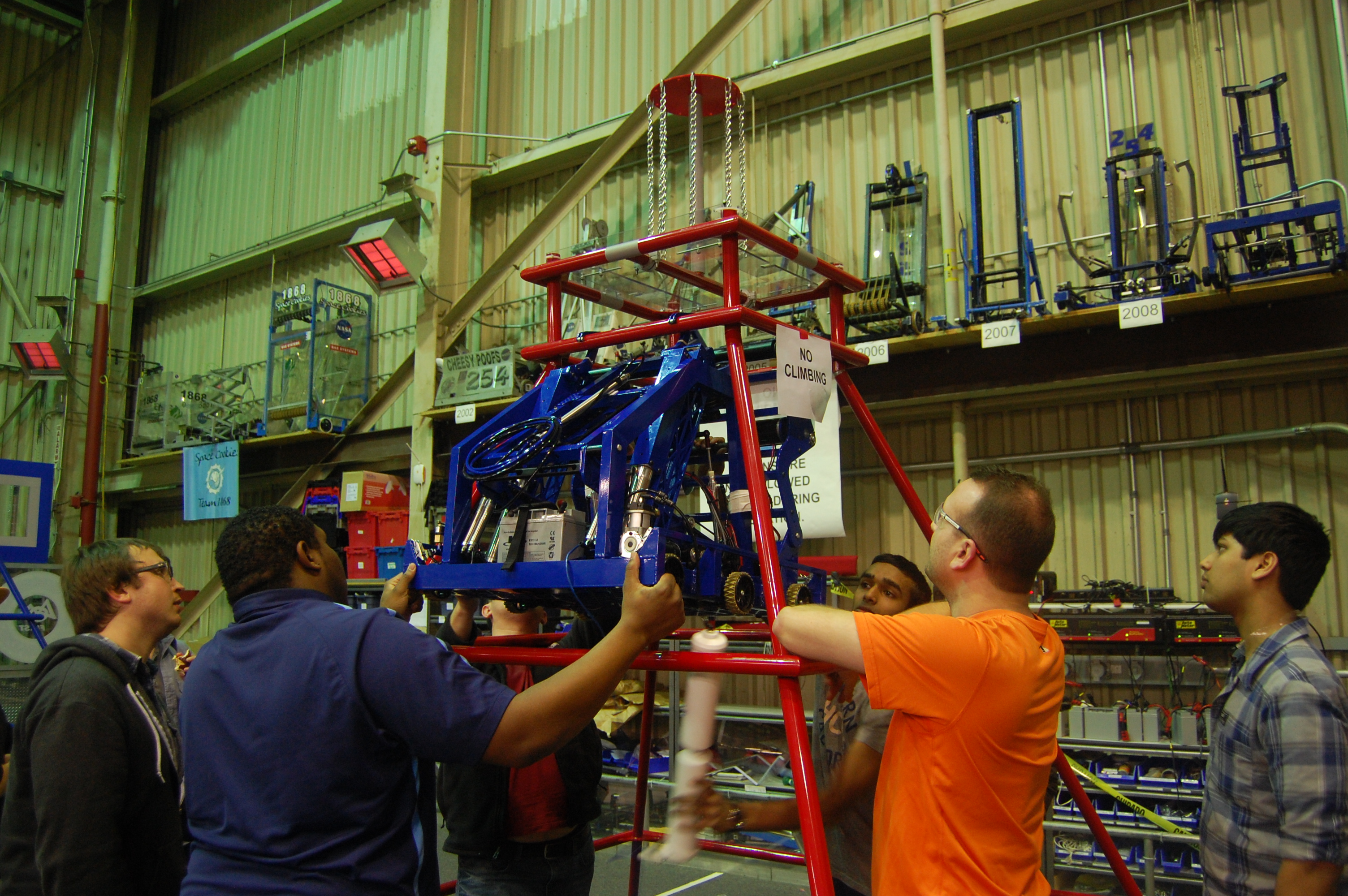
DSC_0712
The 2013 practice robot

Over the course of the past six weeks, robot development has come a long way. Today the team was able to test out robot hanging for the first time. That is a great accomplishment for the short amount of time allowed, but the robot still requires a great deal of work in order to be complete by tomorrow, Tuesday. In other words, mentors and students must make the final push tomorrow, just in time for bag-and-tag.

DSC_0704

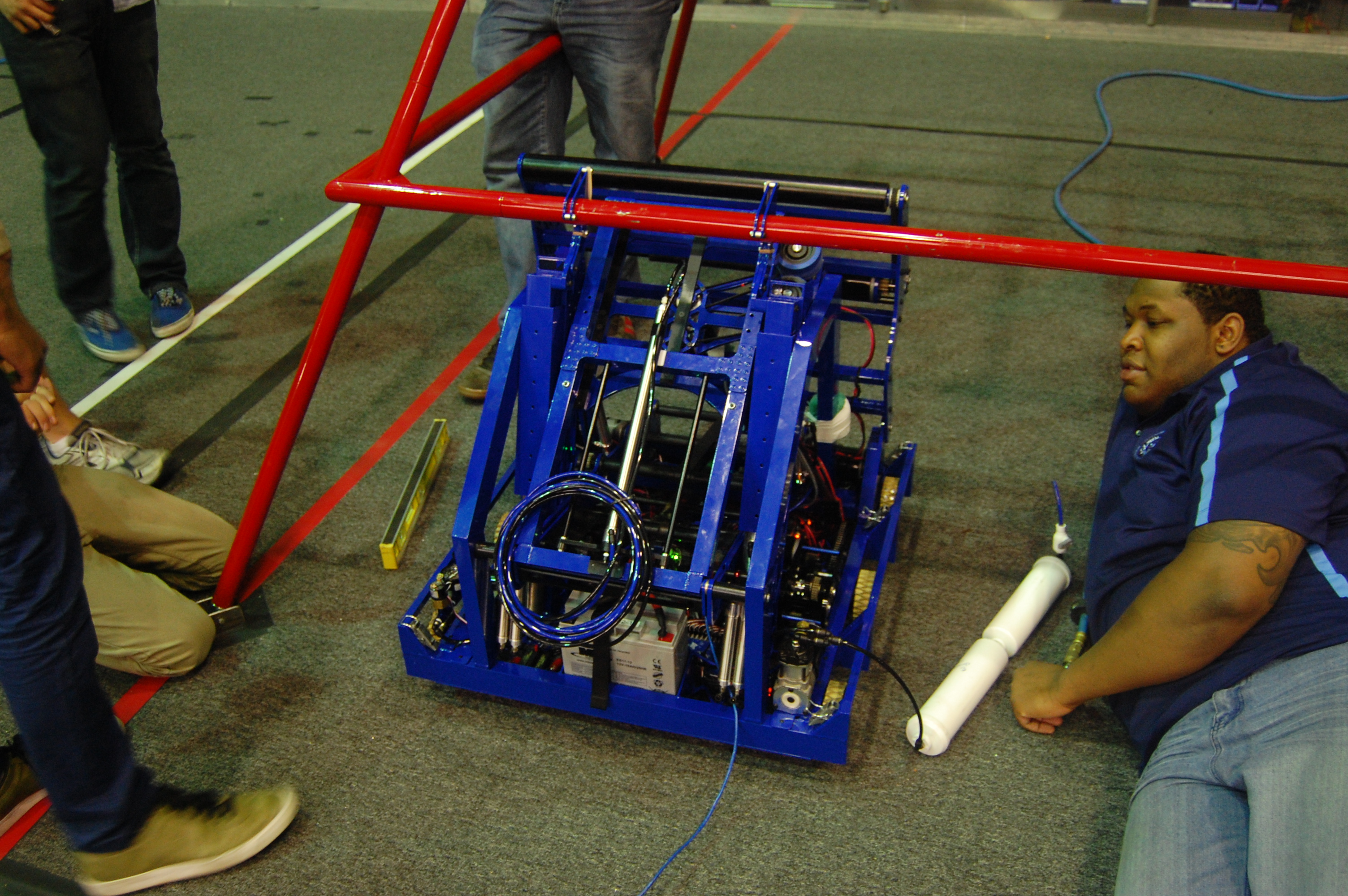
Competition robot hanging on the pyramid

DSC_0711

Wiring

The team worked to attach most of the wiring for the robot. They wired the pressure gauges in order to fire pistons and hang on to the pyramid. Students also routed encoder wires to the shooter and other functions of the robot. Autonomous testing will be done soon after their completion.

Assembly

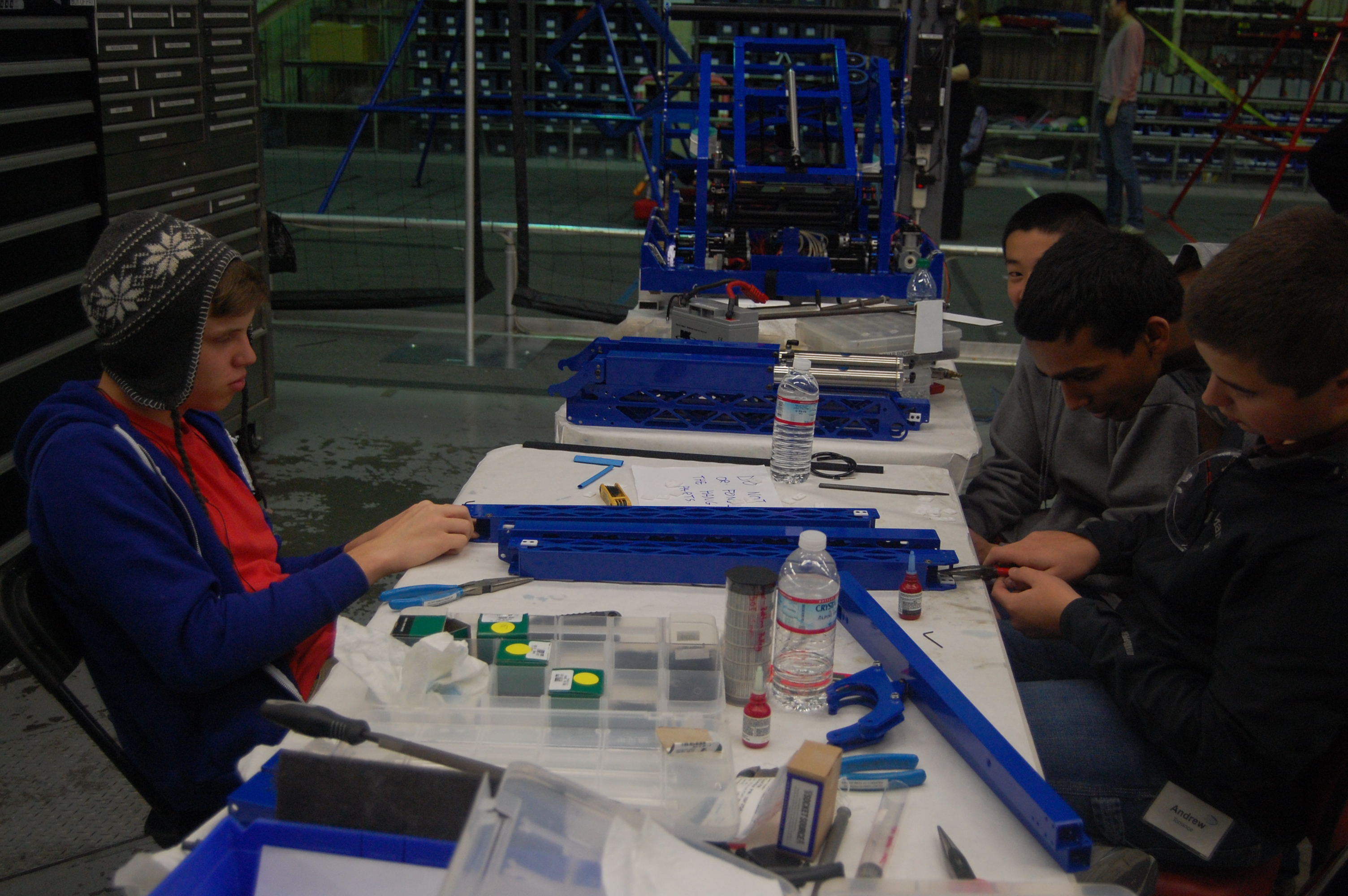
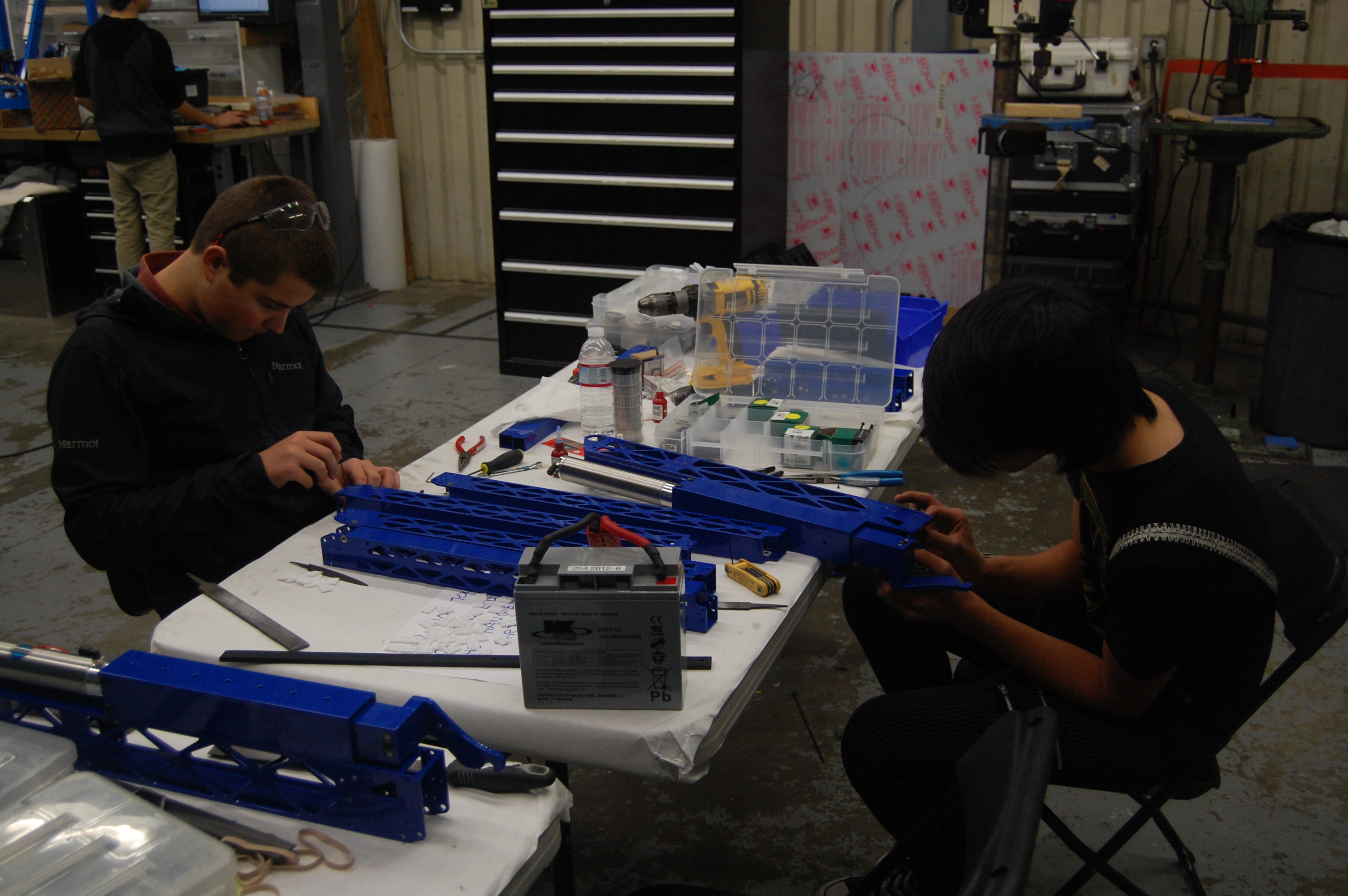
Students worked tediously to complete all layers and dimensions of the hanger arms. Because the arms must extend, they built linear sliders, which substantially adds to the complexity of its build. They deburred teflon blocks to mount screws, drilled holes to place screws, and assembled bearings for a smooth slide in and out.

Another group of students also cut and bent polycarbonate sheets for the bottom support of the conveyors.

DSC_0715

Assembling the hanger arms

DSC_0714

Manufacturing

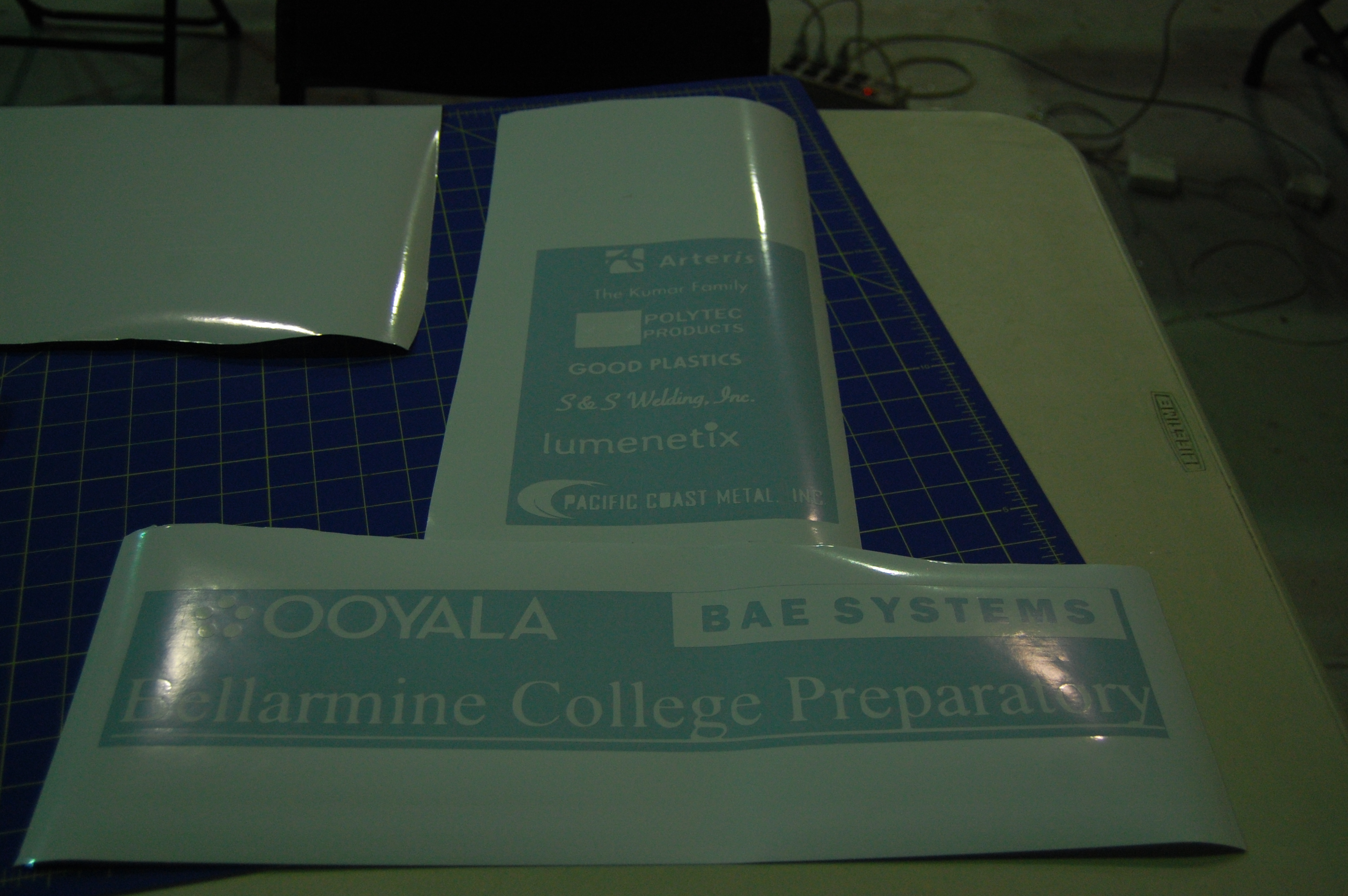
Students used the lathe to manufacture more spacers for the robot. Nagy designed, printed, and cut out the sponsor logos to put on the robot.

DSC_0716

The sponsor logos, which will go on the competition robot's side panels

Programming

The programmers wrote code for all systems of the robot to facilitate testing of the competition robot.  Besides this, students wrote a Notifier class that will publish events to each Listener, which will help with communication across the robot.  For instance, if the shooter has detected that it has shot a frisbee, it will send a notification to Notifier; since the Indexer is a "subscriber" of the shooter's notifications, it will know to load up another frisbee.

Meanwhile, the programmers continued work on TCP communication between the robot and a laptop.

Action Items

  • Finish robot!

Expected closing time for the lab: all day and all night

*To all of the dedicated members that read this blog nightly, the lab will open at 9:00 AM Tuesday morning to finish the robot. 

Day #39: Scrimmage Day 2

2013 FRC Build SeasonFIRST Robotics

Lab Scrimmage

Today more teams arrived to the lab to use the field for practice, including 256, 751, 840, 1700, and 4535. The operators tested various shooting, climbing and driving mechanisms, as well as software.

Assembly & Wiring

Due to a lack of space in the lower workbenches of the lab, students and mentors transferred the robot to tables in the upper deck, and worked on wiring the competition robot. In the lower workbenches, students worked on assembling the climbing mechanism, which will be later attached to the robots.

Manufacturing

Today, mentors and students machined shafts for the climbing mechanism on the lathe.

Programming

Most of the programming involved minor changes to ports and testing motors, Talons, and encoders on the competition robot.

Pit Lights

A few programmers tried to capture the signal sent by the IR remotes that control the new pit lights. Unfortunately, they could not get the Microsoft IR receiver or the Arduino to capture the signal properly. When they do, they'll record the values corresponding to buttons on the remote and try to send those signals with the Arduino IR transmitter. This would allow a script to send data to the Arduino regarding which color to change the lights to. Ideally, we'll be able to bypass the sensors altogether and send signals directly to the lights without IR.

Expected closing time for the lab: 7:20 AM