522 posts

Design, Manufacturing and Prototyping Progress

2010 Teams 254/968 Collaborative Build Blog

DESIGN

Today, the design team worked to finalize the drivetrain.  The baseplate will be sent out to be cut by Mike D at NASA Kennedy's waterjet shop first thing tomorrow morning.

MANUFACTURING

The CNC was running all day to cut all of the drivetrain tensioner cams.  They will be clear anodized.

A large group of students scotch brited wheels so that they are ready to be delivered to the anodize shop.  They will be delivered, along with the gearbox spacers and bearing housings, to the anodize shop tomorrow.
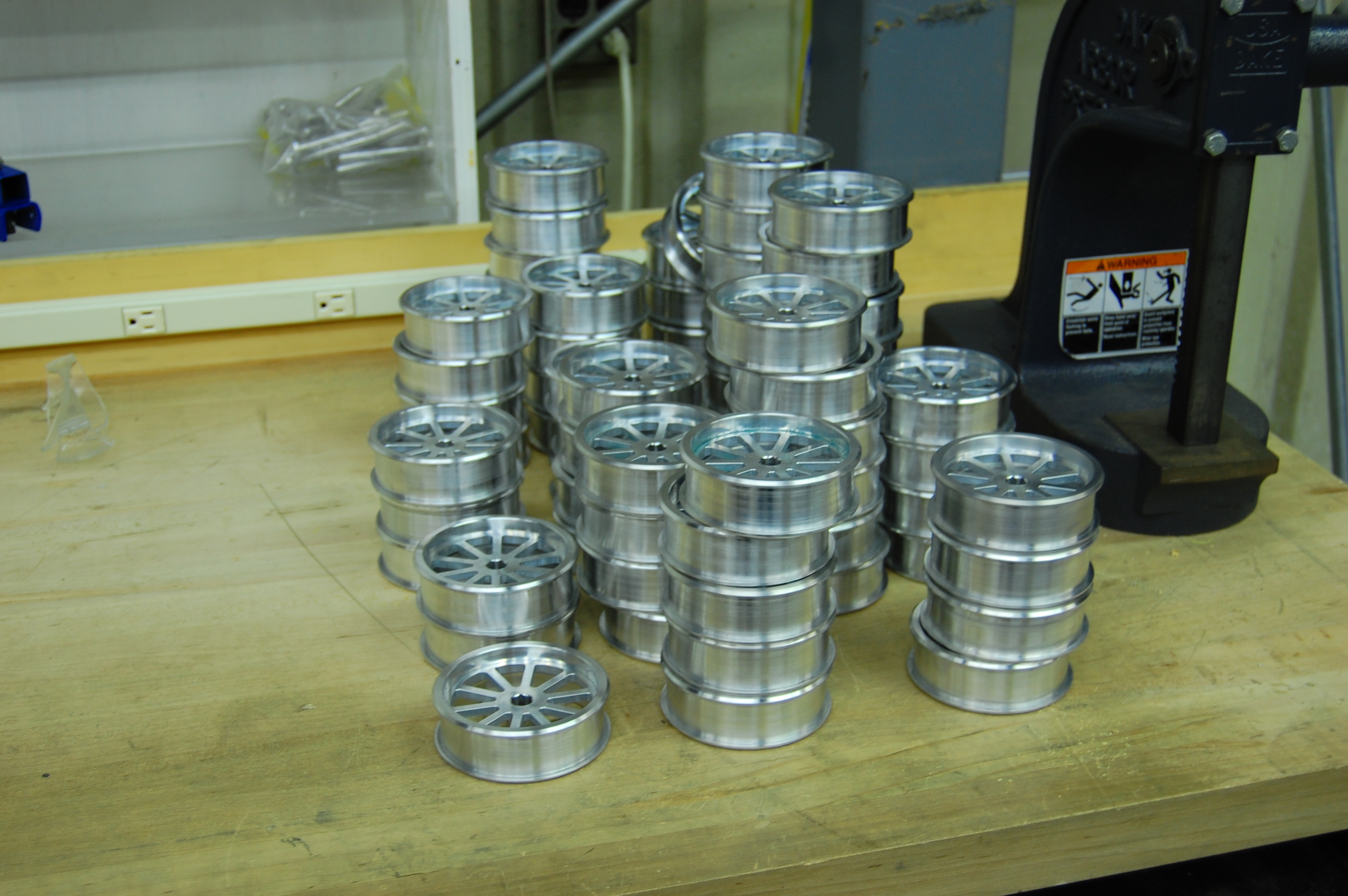
Polished Wheels

PROTOTYPING

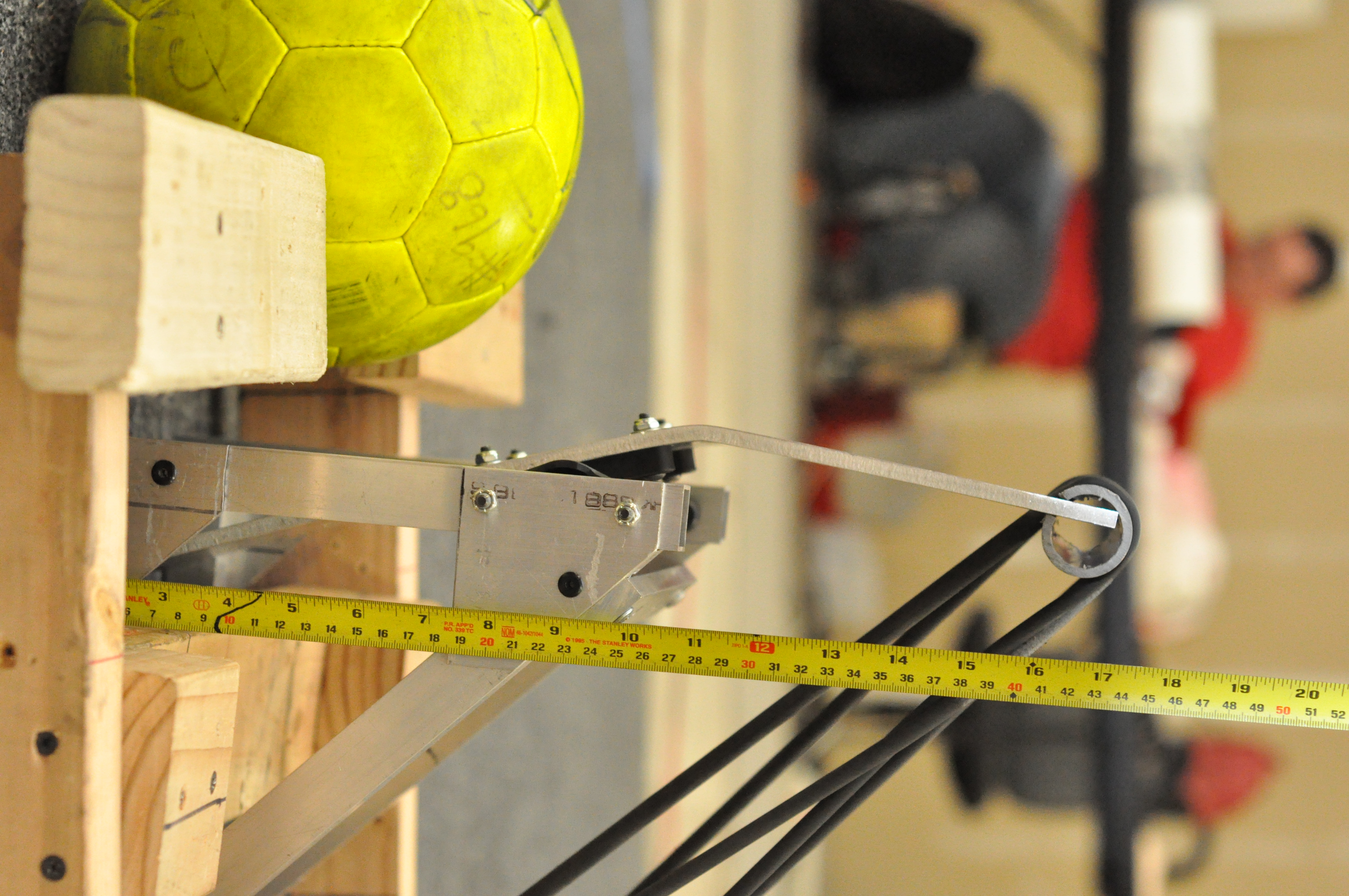
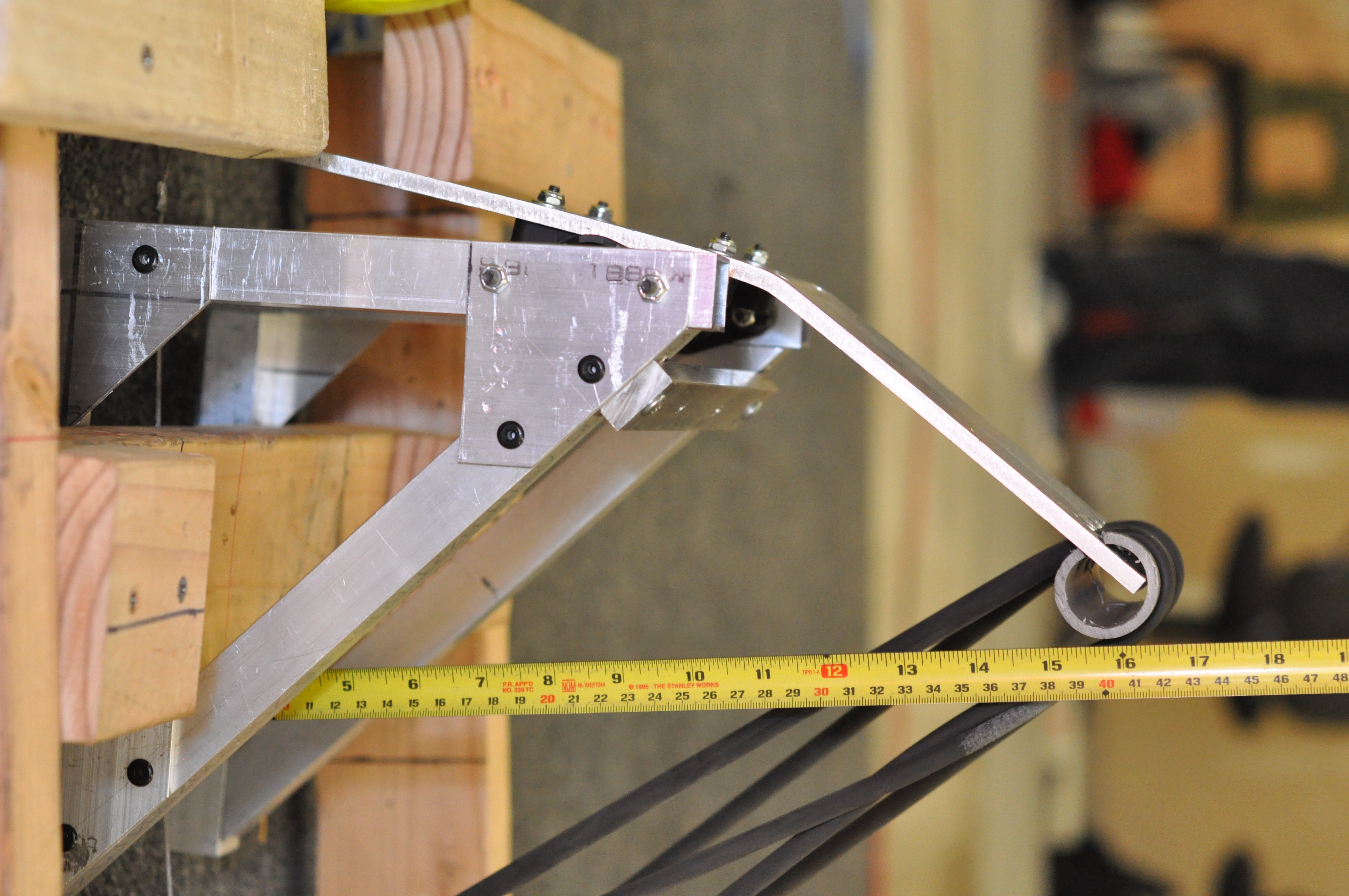
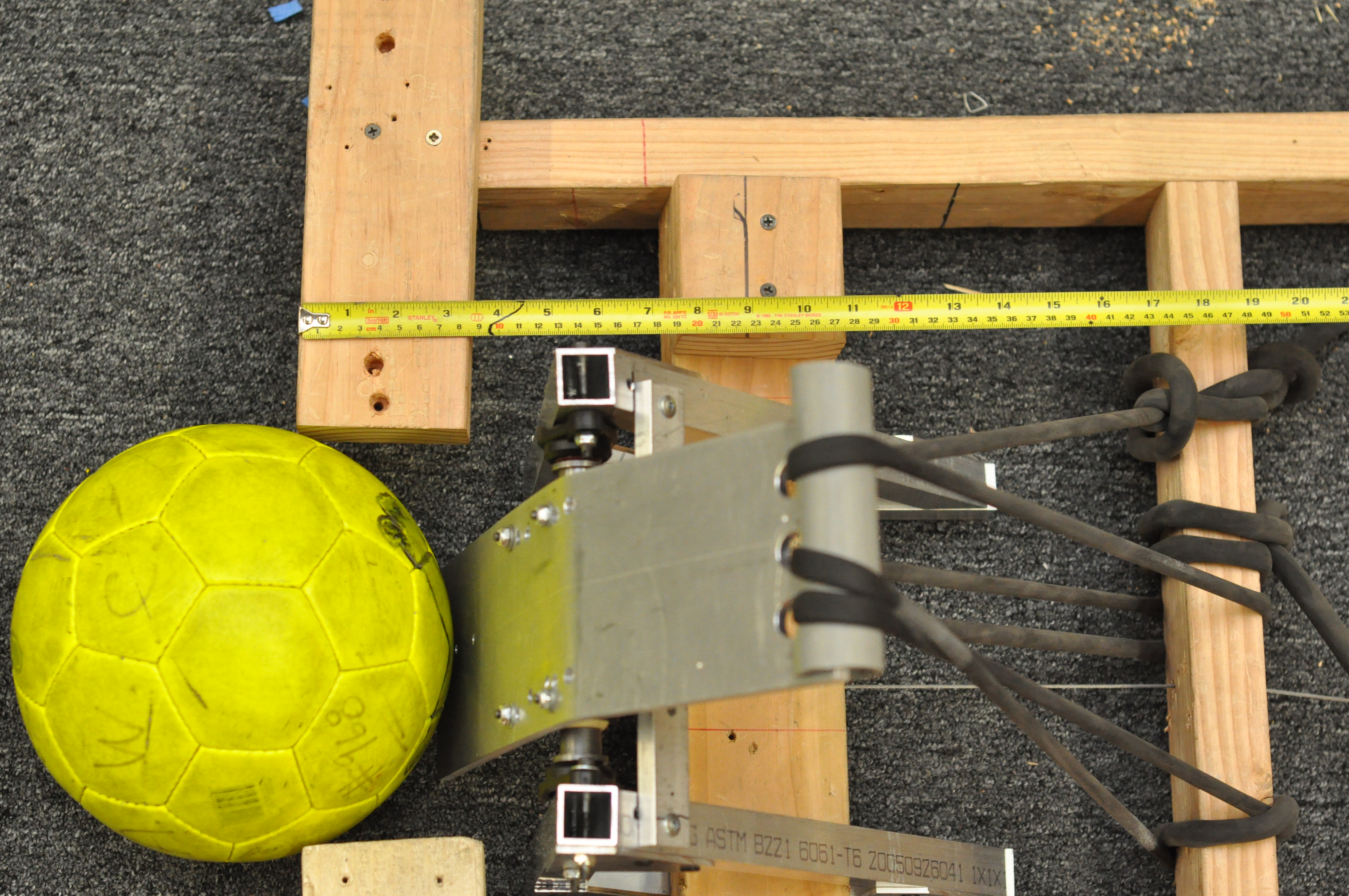
Today, we continued to prototype Ball Retention Mechanisms.  We tested several different types of rollers and shafts on the balls with mixed results.  Several students and mentors also worked on modifying a 2 stage vaccum impeller to work with 2 FP motors.  More testing will occur tomorrow

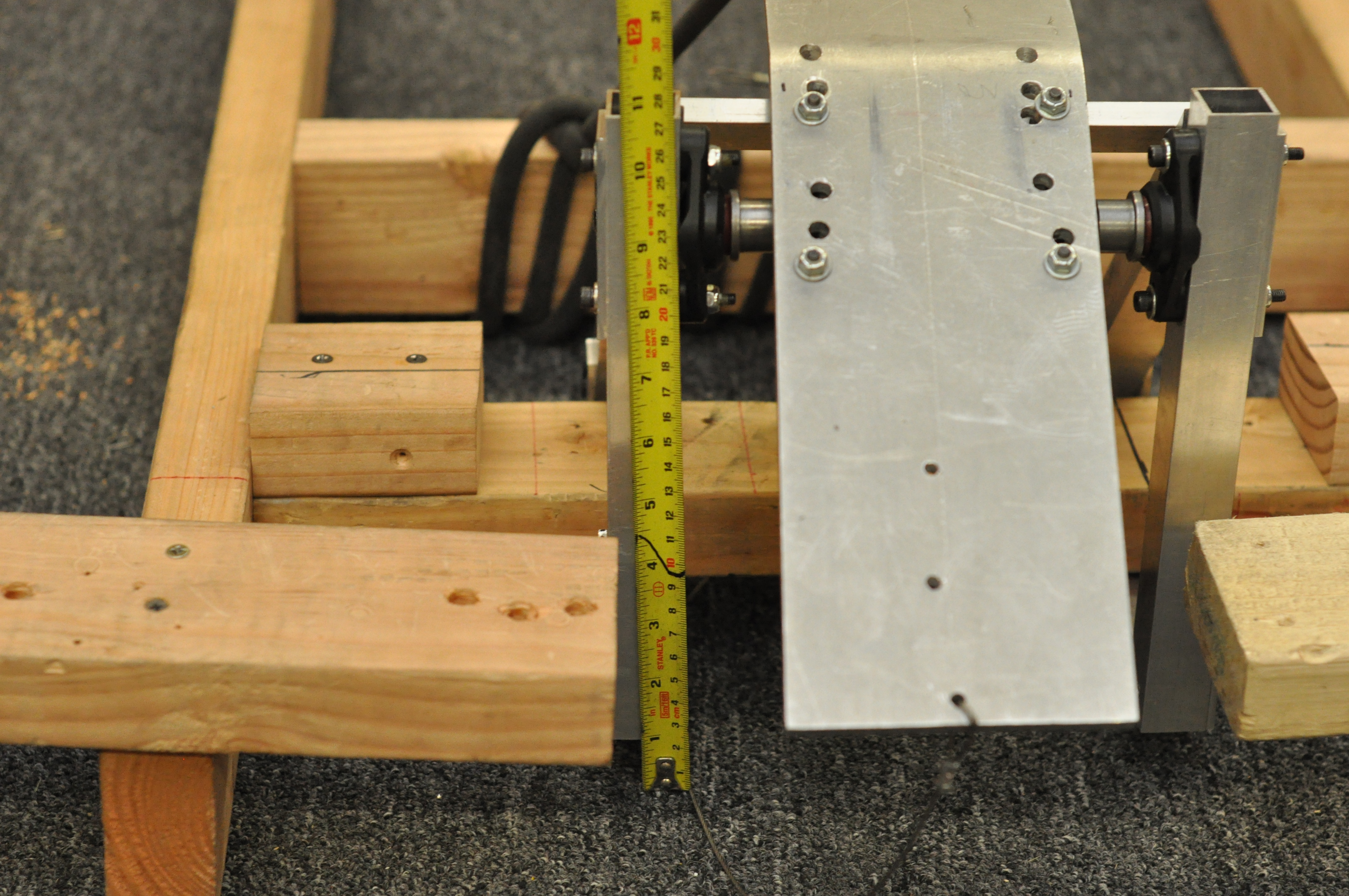
Also, we were a little worried that the robot with a thick baseplate underneath wouldn't make it over the ramp.  We decided to put a piece of polycarbonate on the bottom of the robot and test just to make sure.  The robot went over the ramp just fine, as demonstrated in the videos below.

Original video unavailable.

Original video unavailable.
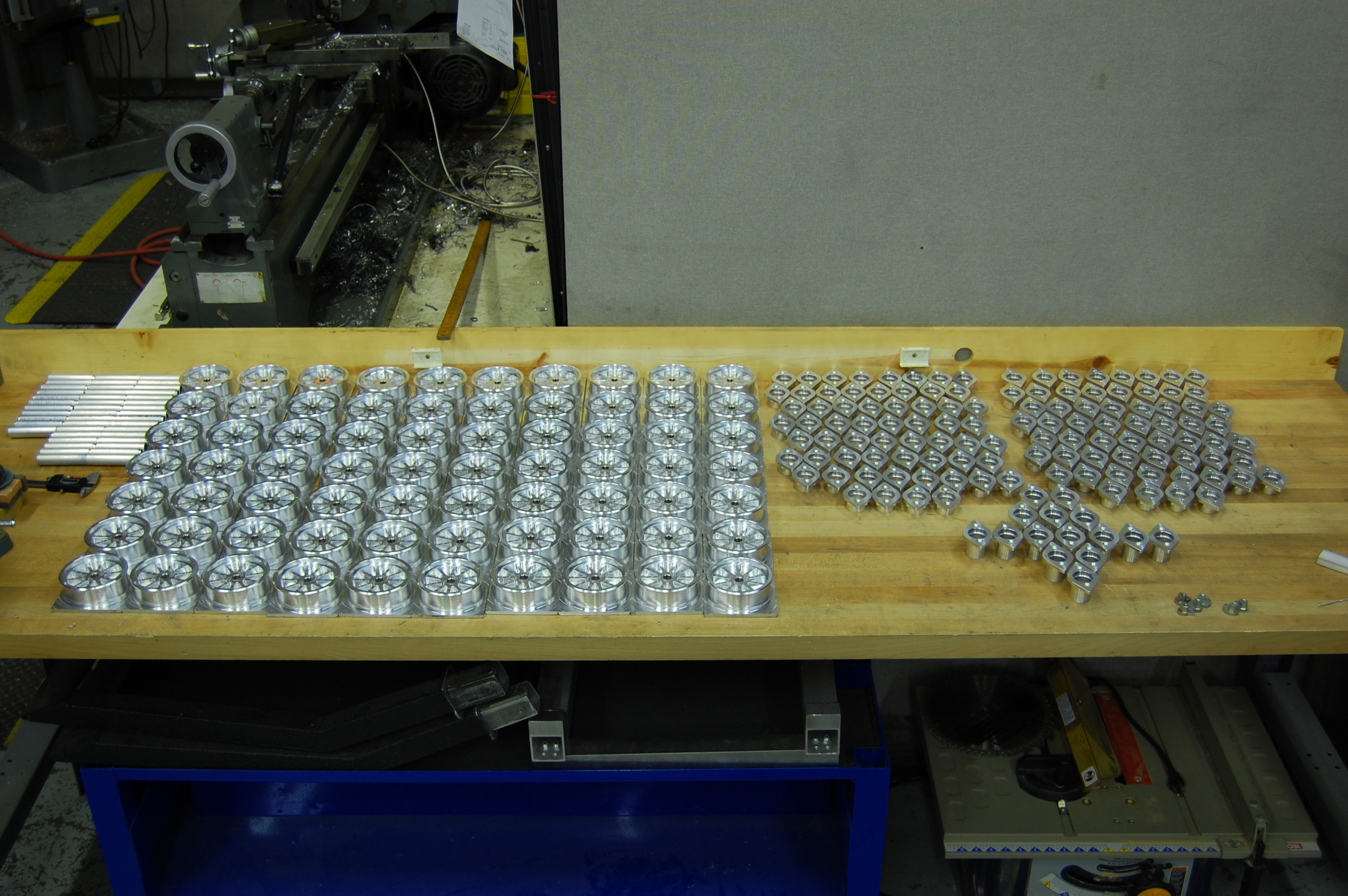
Manufacturing and Prototyping Progress

2010 Teams 254/968 Collaborative Build Blog

Today, Team 254 finished CNCing the wheel hubs for each team and cut the stock needed for the cams.   In the meantime, the CAD team continued tweaking the baseplate design and other groups continued working on prototype methods of handling the soccer balls.

One of the more successful protoypes the team developed was an intake roller that gave the ball backspin, keeping it close to the robot while the robot moved. The prototype is still in development, and various rollers and traction materials are being tested.

Manufacturing Progress

2010 Teams 254/968 Collaborative Build Blog

After almost 18 hours of machining the last two days we completed the first operation on all 70 wheels.  We began the second operation and now have 20 completed wheels.  The rest should be completed in ~3.5 hours tomorrow.  We also began making wheel and gearbox spacers.

CAD and Prototyping Progress

2010 Teams 254/968 Collaborative Build Blog

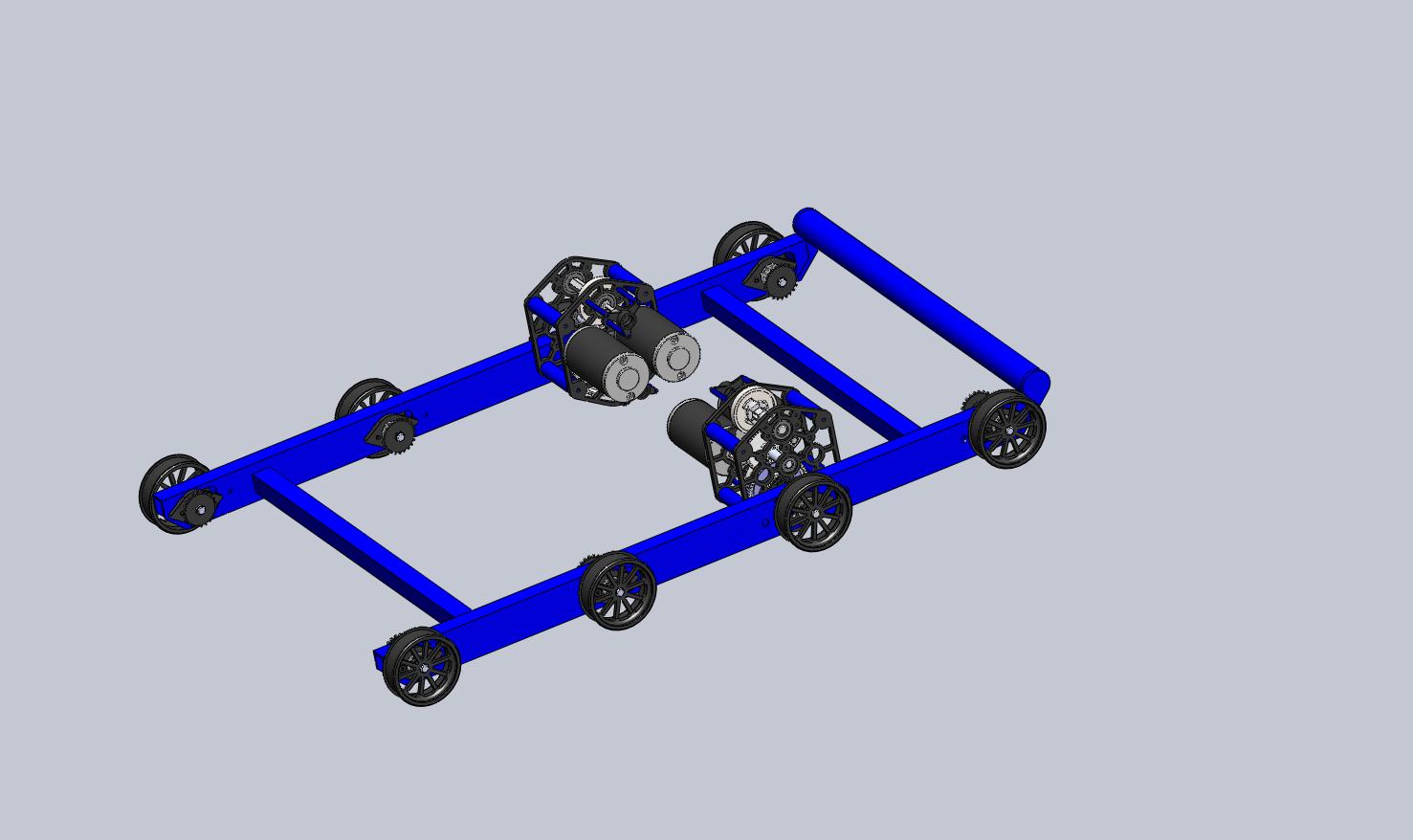
Today, Team 254 prototyped a mechanism that keeps the ball in place while kicking and helps the release of the ball. We also mounted the kicking prototype onto our drive base prototype, and began to mount the holding mechanism.  We completed the CAD of our basic drive base, and came up with possible placements of the electronics board, as seen in our earlier post.

CAD Progress

2010 Teams 254/968 Collaborative Build Blog

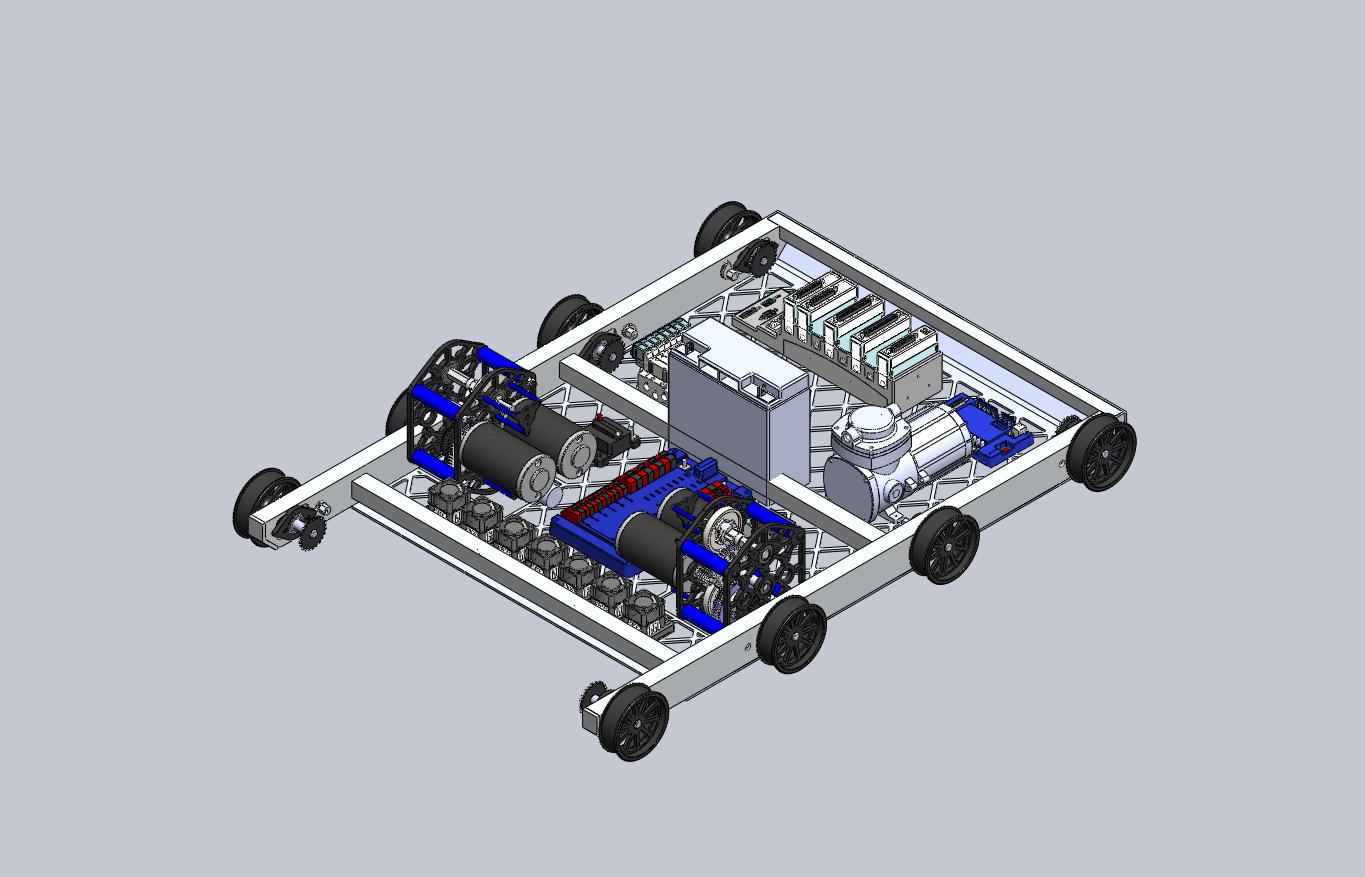
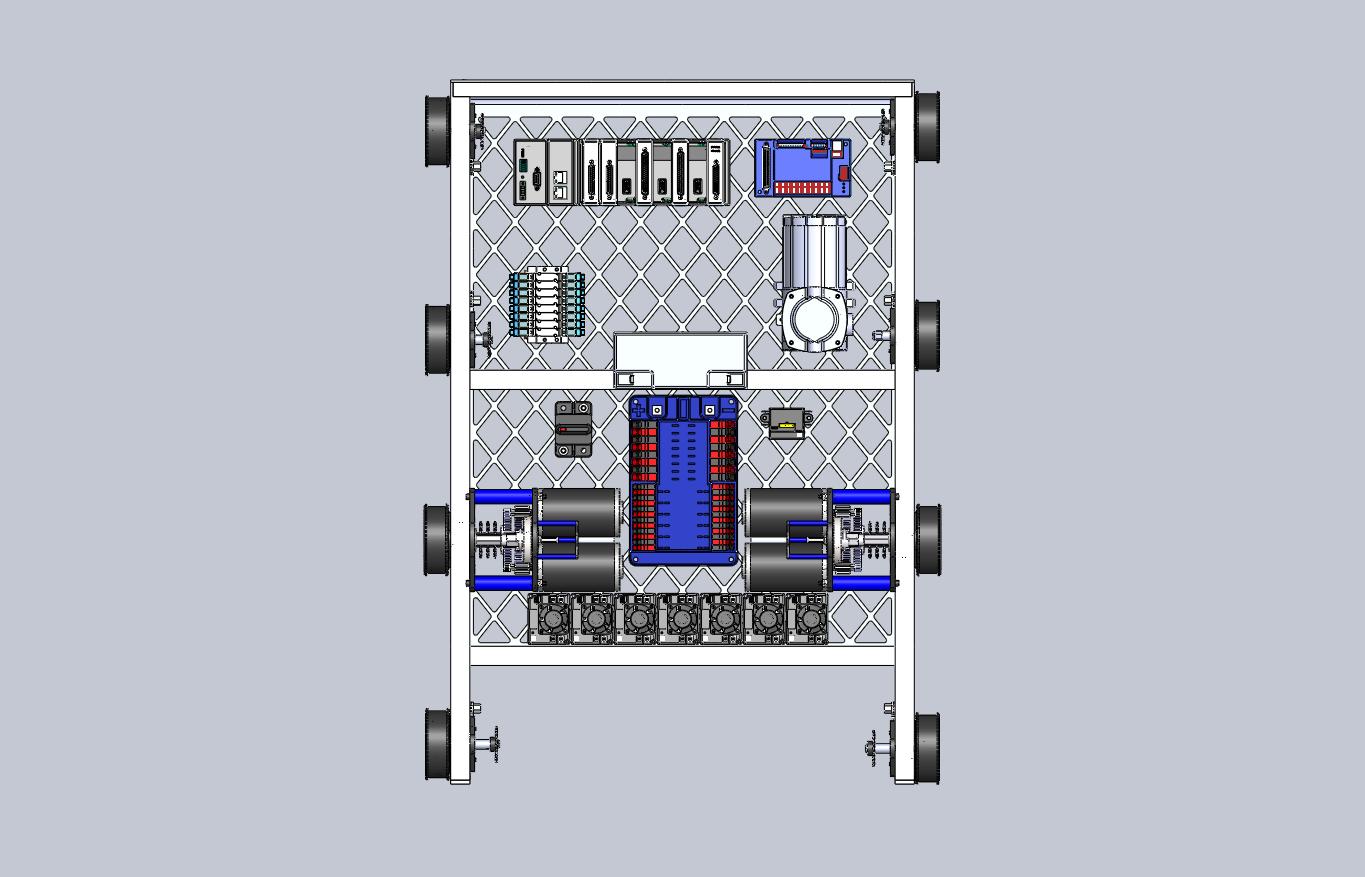
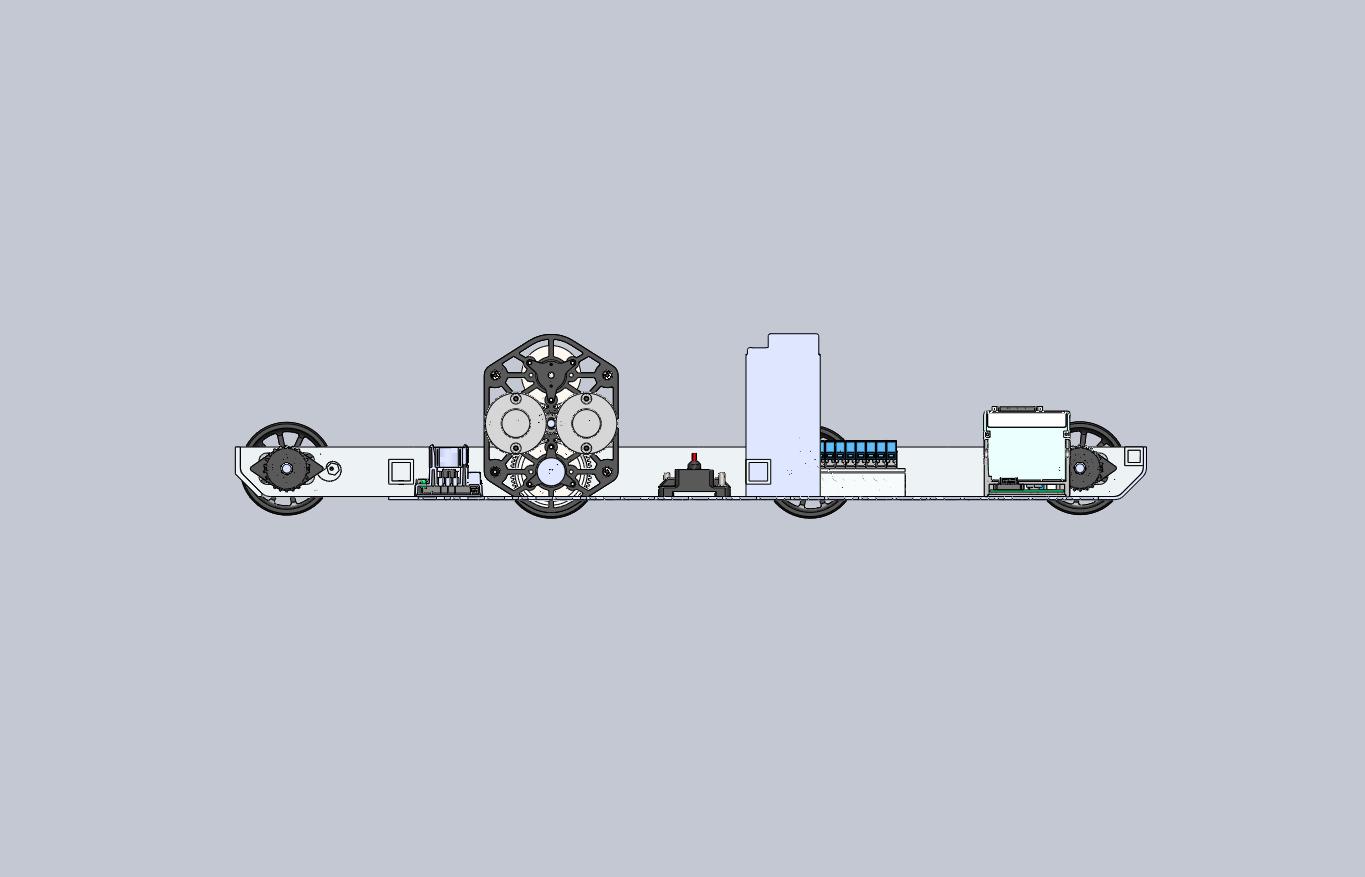
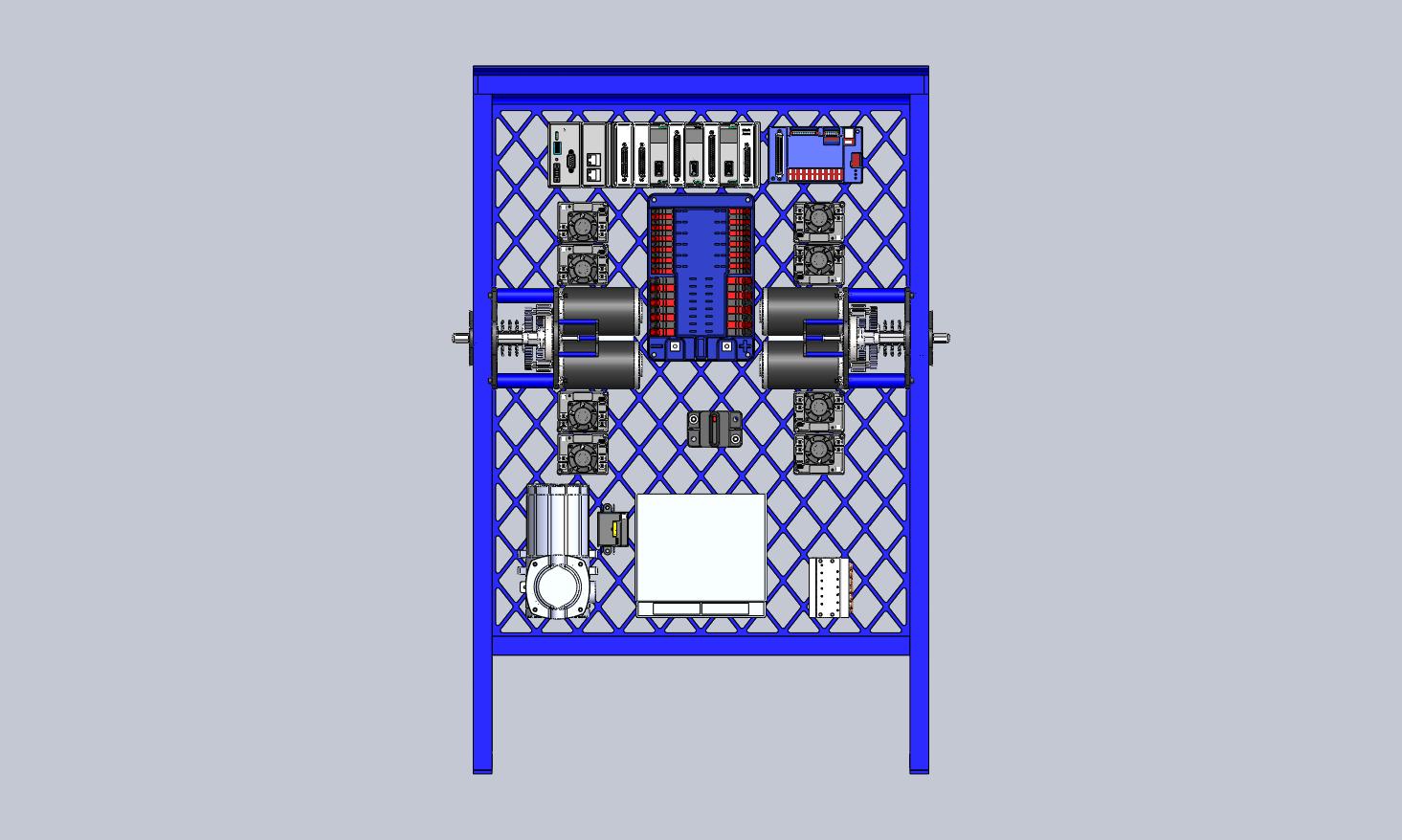
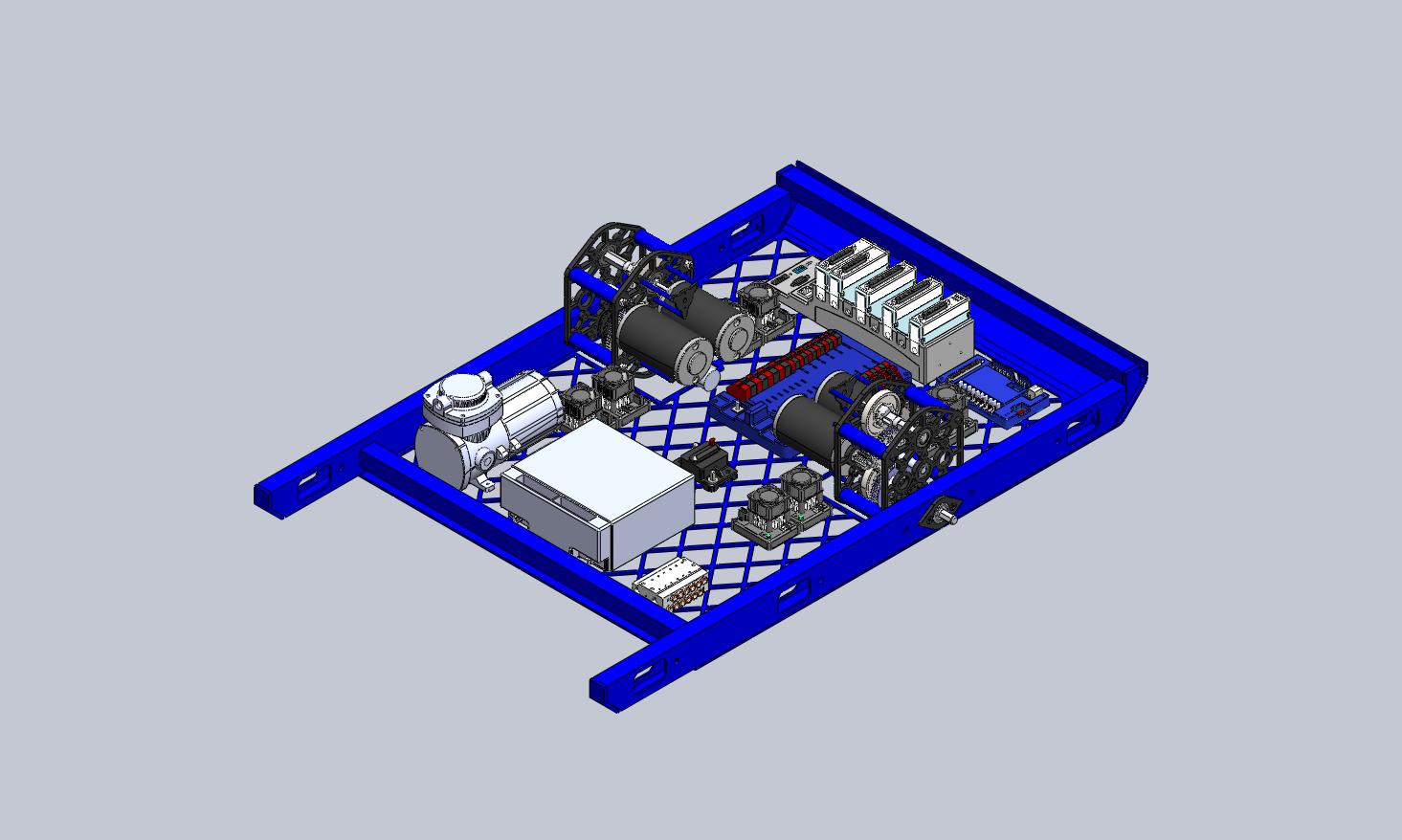
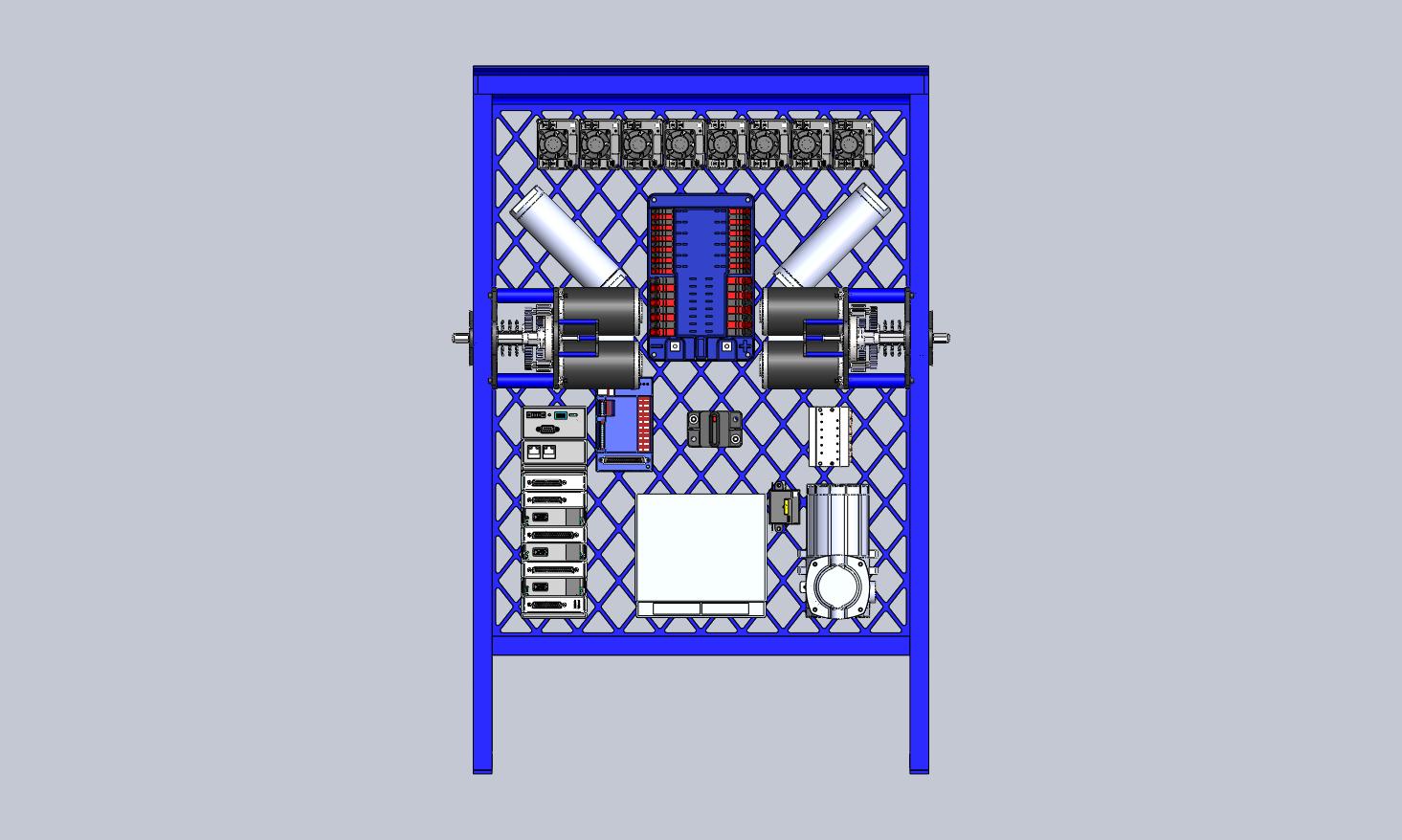
Today, the CAD team continued to work on the drivebase frame.  The back bar for hanging was scrapped, out of concern that there would not be ample room between the bar and the bumpers for an alliance partner to get a hook in.  We extended the base plate to the very back of the frame and started to lay out electronics.  We are starting to think about what our ball handling mechanism will look like, and how to design the electronics to stay within the constraints that the ball handler gives us.

Layout A (Top View)

Layout A (Isometric View)

Layout B (Top View)

Layout B (Isometric View)

Organization & Machining

2010 Teams 254/968 Collaborative Build Blog

At the lab yesterday, the team continued working on improvements to their prototype .  The machining of the wheels has started, meaning we will soon be working on the tread for the wheels.  Finally, the team began organizing the bins filled with old motors and parts, as well as locating bearing blocks for the robot.

Drivebase Design & Manufacturing Progress

2010 Teams 254/968 Collaborative Build Blog

At the Cheesy Poof lab today, several objectives were accomplished.  The gearbox design was finalized.  The drivebase design moved forward, and the basic frame is set for it.  It features a large tube on the back for alliance partners to hang their robots from for bonus points.  The electronics board will mount between two square tubes.

The manufacturing team continued on the manufacturing of the Bearing Blocks.  They are about 1/2 done with the 2nd operations on all 140 bearing blocks, and will finish tomorrow.  A group of students cut metal stock for the wheels, on which machining will begin tomorrow.

Vacuum Suction Testing

2010 Teams 254/968 Collaborative Build Blog

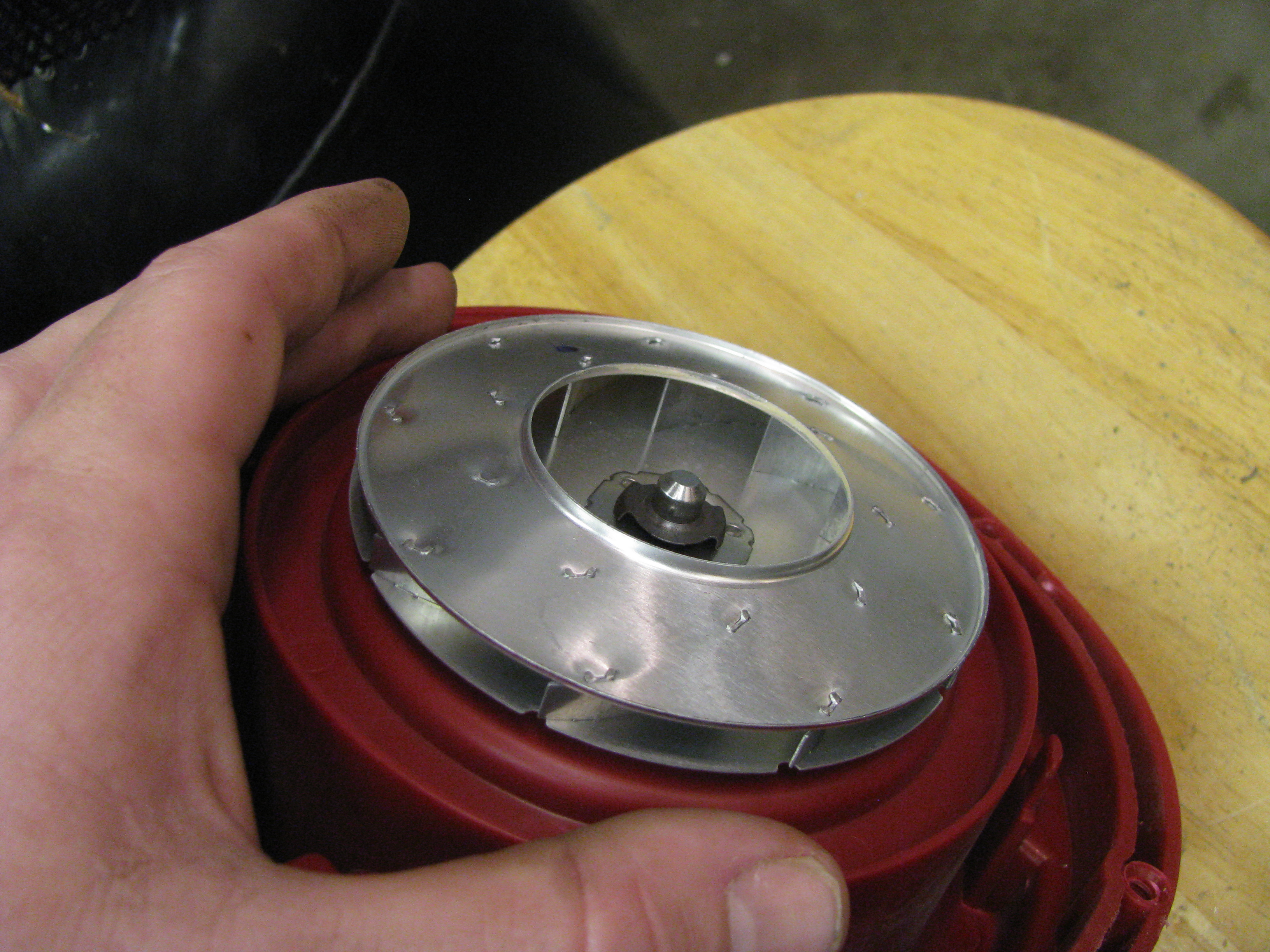
Since the ball may only roll 3 inches into the robot, we wished to study the plausibility of a vacuum holding system.  In the 2008 Overdrive game, Team 1771 successfully used a mini shop-vac impeller driven by two Fisher Price motors, to posses and lift the 8lb track ball.  For our test today, a Shop-Vac brand "Hang-Up Mini" model was used.  This is a 120VAC 6.2A model.  As shown in the picture below, the impeller is approximately 4 inches diameter, one half inch thick, and very light weight.

After reassembling the vacuum, a plastic funnel of approximately 4 inches diameter was affixed to the hose.  A small basketball and a rubber exercise ball were used for the test (no soccer balls available at testing location).  No seal was used around the lip of the funnel.  The vacuum held the small basketball very well, and the large exercise ball moderately well.  While seams in the balls did not greatly affect the holding power, we speculate a larger funnel with a lip seal/gasket would improve the results greatly.

A video of the test is shown below:

Original video unavailable.

We have not yet determined exactly how a mechanism like this might integrate with a kicker.

We also observed the suction power directly from the impeller housing:

Original video unavailable.
The testing revealed the vacuum produced greater suction and holding power than expected, and could potentially be a successful  soccer-ball holding device.  Further tests would have to be done to power the impeller with KOP motors (such as two Fisher Price motors, as 1771 did in 2008).